
24/7 Customer Support

Free returns

Same-day & Next-day Delivery

Quality Guaranteed

Unlock Your Welcome Offers: FREE Delivery | Up to 80% OFF | Free 30-day JoyPlus trial
Download the APP
An automatic self-cleaning cat litter box can reduce daily scooping, help manage odours and make life easier in a busy UK household. However, convenience varies considerably between models. A unit that suits a small adult cat may be unsuitable for a Maine Coon, while an app-controlled cat litter box may offer more data than you actually need.
Before buying, look beyond phrases such as “hands-free” or “30 days without scooping”. The important questions are whether your cat can enter comfortably, whether the machine accepts your preferred litter and how much maintenance remains after installation.
Automatic cleaning removes waste from the main chamber, but owners still need to empty waste compartments, top up litter, wipe surfaces and clean sensors. Disposable systems may also require regular replacement trays. Check the stated maintenance cycle and the ongoing cost of bags, trays, odour-control cartridges or compatible litter.
Internal space and entrance dimensions matter more than the product’s external appearance. A Ragdoll or Maine Coon may need room to turn around comfortably. A small entrance can also discourage a nervous or older cat from using the unit. Always compare the internal dimensions, entrance height and permitted cat weight.
A smart cat litter box may record weight, usage frequency or visit duration, but these readings should not be treated as a diagnosis. App data can help you notice changes in routine, yet unusual behaviour should be discussed with a qualified veterinary professional. Also check Wi-Fi compatibility: several models rely on 2.4GHz Wi-Fi, while some support both 2.4GHz and 5GHz networks.
Look for a cat litter box with safety sensors, such as weight, infrared or proximity sensors, and confirm that the cleaning cycle pauses when a cat approaches. A clear manual should explain how the system detects occupancy and what to do if a blockage occurs.
Place the unit on a flat, stable, non-slip surface and follow the supplied power instructions. During first use, supervise your cat and allow time for acclimatisation. Cats under a stated minimum weight or age may not be suitable for some automatic systems.
Not every automatic cat toilet accepts every litter. Some rotary models work with clumping litter, while crystal systems may require a particular disposable tray and crystal litter. Using the wrong material can affect waste separation or cause a malfunction.
Before ordering, check:
A larger waste bin can reduce emptying frequency, but capacity depends on the number and size of cats. A multi-cat litter box should have adequate chamber space, a practical waste drawer and an accessible interior for cleaning.
Consider the unit’s footprint in relation to your home. Measure doorways, cupboards and the intended floor area before delivery. Low-entry designs can be useful for cats that prefer easier access, but check whether the entrance is sufficiently wide for your pet.
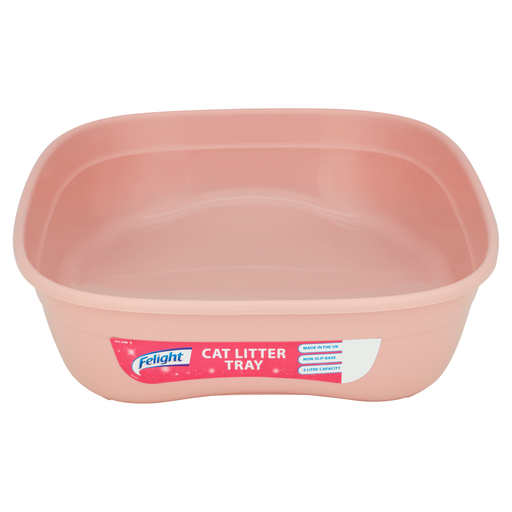
Why This Fits Their Persona: A straightforward option for owners comparing an automatic litter box with a traditional cat litter tray, particularly where a low purchase cost and simple setup matter.
There are no app, motor or proprietary refill requirements to overlook. Daily scooping and regular washing are clearly part of ownership.
Lightweight durable plastic, high-back design and a stated 4-litre capacity for everyday use.
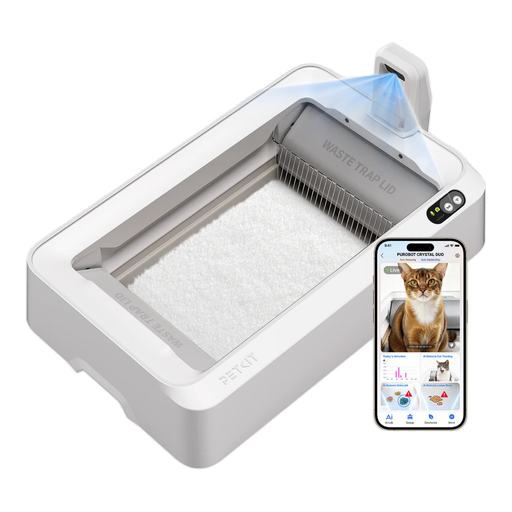
Why This Fits Their Persona: Suitable for a technology-focused owner who prefers an open design, disposable trays and app-based monitoring for a single-cat household.
The compatibility limitation is explicit: it uses PETKIT crystal cat litter and single-use disposable trays, rather than general clumping litter.
Integrated AI camera, quadruple safety sensors, dual-band Wi-Fi and a stated maintenance cycle of up to 30 days for one cat.
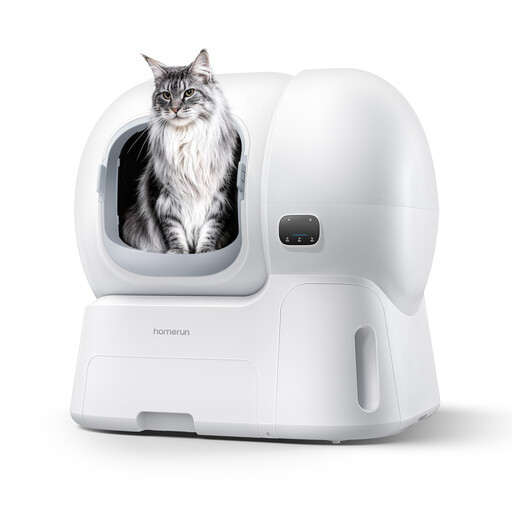
Why This Fits Their Persona: Designed for large cats, including Ragdolls and Maine Coons, or households seeking extra capacity and automatic litter refill.
The stated 11.3kg cat suitability and 106-litre size make the intended use clearer than choosing a compact unit by appearance alone.
8-litre waste compartment, automatic litter refill and a single refill stated to last up to 14 days.
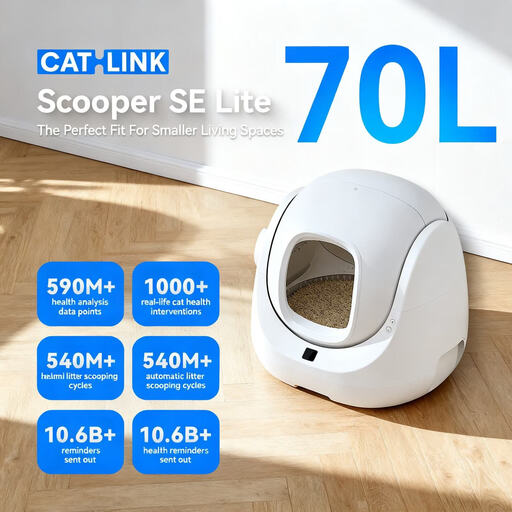
Why This Fits Their Persona: A practical match for multi-cat homes that want app health monitoring, several cleaning modes and a spacious 70-litre litter box.
It specifies an eight-part safety system and four operating modes, while its guidance gives separate litter replacement intervals for one or multiple cats.
70-litre capacity, 2.4GHz app connectivity, automatic emptying and compatibility with bentonite, mixed and tofu litter.
We have compiled a complete, real-time list of products that fully satisfy these strict selection criteria and UK safety regulations.
An automatic model can reduce the frequency of scooping, but it usually costs more to purchase and operate. Electricity, waste bags, replacement filters, proprietary litter or disposable trays may add to the total cost. It also needs a nearby socket and enough floor space.
A traditional cat litter tray is quieter, easier to move and compatible with a wider range of litter. It requires daily manual cleaning, but replacement parts are rarely needed. For some cats, its familiar open design may also be easier to accept.
Place it near the existing tray and use the same litter initially, if compatible. Keep the old tray available while your cat investigates the new one. Once it is used reliably, follow the manufacturer’s instructions for enabling automatic cycles. Supervise the first few cleaning operations.
Lifespan depends on cleaning frequency, sensor care, motor use and replacement-part availability. Empty the waste drawer as directed, remove blockages promptly and keep electrical components dry. A model with accessible sensors and clear maintenance instructions may be easier to keep operational over time.
Not usually when all costs are included. Compare electricity use with litter consumption, waste bags, odour-control products, replacement trays and any required subscription or consumables. A traditional tray has fewer running costs, while an automatic system may offer greater day-to-day convenience for owners willing to maintain the equipment.