
24/7 Customer Support

Free returns

Same-day & Next-day Delivery

Quality Guaranteed

Unlock Your Welcome Offers: FREE Delivery | Up to 80% OFF | Free 30-day JoyPlus trial
Download the APP
An automatic cat litter box can reduce daily scooping and help keep waste contained, but the right choice depends on your cat, litter preference and home layout. Marketing descriptions often focus on app features and cleaning cycles while leaving out the practical limitations that affect everyday use.
Before buying, watch for three common traps:
A cat should be able to enter, turn around and adopt a natural position without feeling restricted. This is particularly important when choosing an automatic litter box for large cats, such as Maine Coons or Ragdolls.
Check the entrance dimensions, internal layout and recommended weight range rather than relying only on terms such as “XL” or “extra large”. A wide, open design may also suit cats that dislike enclosed spaces. Multi-cat households should consider both the waste-bin capacity and whether the cleaning cycle can keep up with repeated use.
Some machines accept clumping litter, while a crystal cat litter box may work only with its manufacturer’s crystal litter and disposable trays. This affects the ongoing cost and your shopping routine.
For example, a self-cleaning litter box that requires proprietary trays may reduce scooping but add recurring replacement costs. Conversely, a model using widely available clumping litter may offer more flexibility, although clumps, dust and litter residue still require regular cleaning.
Always check:
Look for infrared or weight sensors, anti-pinch protection and an automatic pause when a cat approaches during operation. These features should be considered part of the basic selection process, not merely a reason to pay more.
For an app-controlled cat litter box, check whether it supports the Wi-Fi band used by your router. Some devices support both 2.4GHz and 5GHz Wi-Fi, while others may require 2.4GHz only. App functions can include cleaning schedules, status notifications, camera viewing and usage reports, but the product should remain usable if the app or Wi-Fi connection is temporarily unavailable.
A practical cat health monitoring litter box may record frequency, duration or weight-related information. Treat these records as observations that could help you spot a change in routine, rather than as confirmed health conclusions.
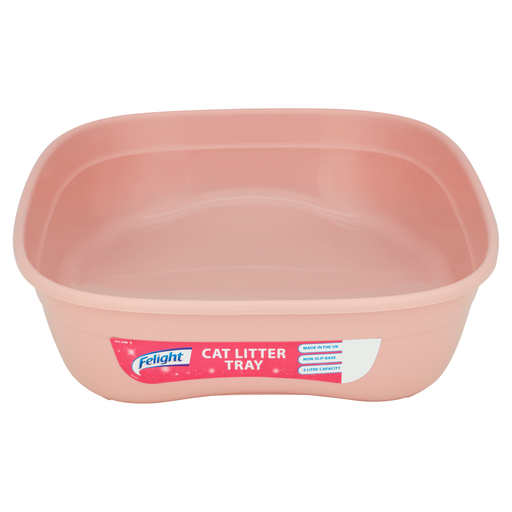
Why This Fits Their Persona: A straightforward option for owners who want to try a spacious litter set-up before investing in an automatic system. It may also work as a backup tray in a UK home.
There are no app or proprietary-litter commitments, so the running requirements are easy to understand. It does require daily scooping and regular washing.
Lightweight, durable plastic, high-back design and dimensions suitable for adult cats.
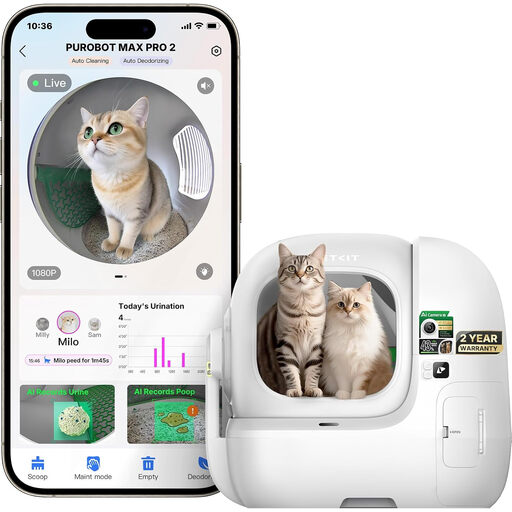
Why This Fits Their Persona: Suitable for tech-focused owners who want remote controls, usage information and a wide entrance in one connected device.
The listed specifications identify the litter requirement, Wi-Fi limitation, safety sensors and approximate seven-to-ten-day storage period, helping set realistic expectations.
210° wide-angle opening, app control, activated carbon filter, infrared sensing and anti-pinch protection.
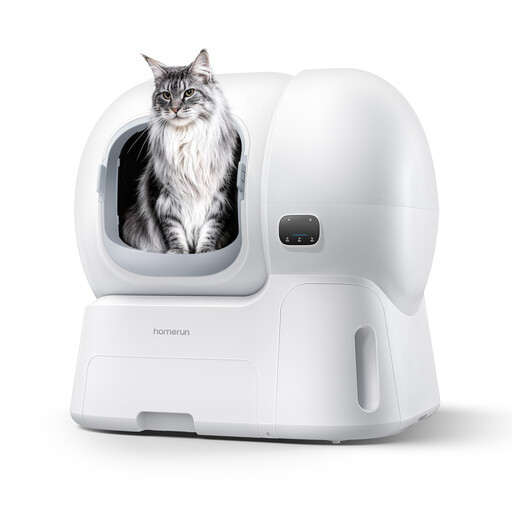
Why This Fits Their Persona: Designed for larger cats and households with frequent use, with automatic litter replenishment and a large stated internal volume.
The product information states an 8L waste compartment and advises checking for blockages, so owners can plan for inspection rather than assuming unlimited hands-free use.
Automatic litter refill, 106L XL format and stated suitability for cats up to 11.3kg or up to four cats.
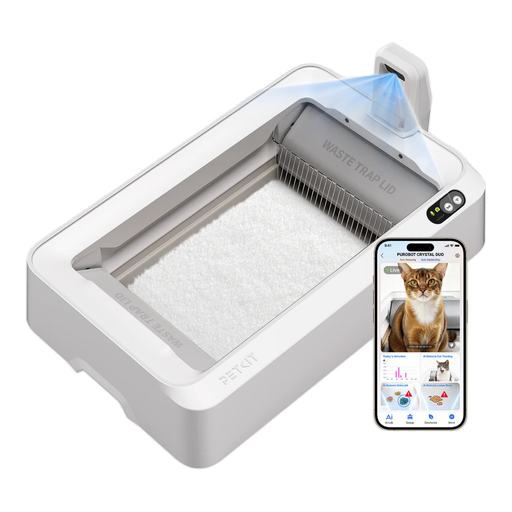
Why This Fits Their Persona: A potential fit for a single-cat household that prefers an open tray and is comfortable using compatible crystal litter and disposable trays.
Its stated 30-day period applies to one cat and the system is compatible only with PETKIT crystal cat litter. Those restrictions are clear before purchase.
AI camera monitoring, quad safety sensors, dual-band Wi-Fi and a stated hands-free cycle of up to 30 days for one cat.
Before switching from a conventional tray, place the new unit on a flat, stable, hard surface near the existing tray. Keep the old tray available while your cat becomes familiar with the new shape, noise and movement. Follow the supplied instructions for litter depth and app pairing.
For electrical models sold in the UK, check the plug type, supplied instructions, warranty information and relevant product conformity markings before purchase. Do not use a machine with a damaged cable and disconnect it before cleaning or clearing a blockage. Never put the main electrical unit under running water.
An automatic system still needs a routine:
We have compiled a complete, real-time list of products that fully satisfy these strict selection criteria and UK safety regulations.
Running costs include electricity, litter, waste bags, filters and, for some models, disposable trays. A crystal system may have a different cost pattern from a clumping-litter model. Compare the required consumables and replacement frequency, not only the purchase price.
Some models are designed for multi-cat use, but capacity and cleaning frequency still matter. Check the stated cat limit, waste-bin volume and litter refill system. In a busy household, inspect the unit more often than the maximum advertised interval.
Lifespan depends on build quality, cleaning habits, motor use and whether litter enters sensors or moving parts. Regularly remove residue, follow the maintenance instructions and stop using the unit if it becomes noisy, damaged or fails to pause safely.