
24/7 Customer Support

Free returns

Same-day & Next-day Delivery

Quality Guaranteed

Unlock Your Welcome Offers: FREE Delivery | Up to 80% OFF | Free 30-day JoyPlus trial
Download the APP
For indoor cat owners, an automatic self-cleaning cat litter box can reduce daily scooping and make litter maintenance more manageable. However, convenience depends on choosing a design that suits your cat, available floor space and preferred litter.
Marketing descriptions often focus on automation while overlooking practical details. A machine may still create problems if it is too small, difficult to clean or unsuitable for your chosen litter. Before buying, consider these common pitfalls.
Check the recommended weight range, entrance size and internal capacity. A compact automatic cat litter tray may work for one small adult cat but feel restrictive for a larger breed or a multi-cat household.
The CATLINK model listed below has a 57-litre interior and is specified for cats weighing 3.5 to 22 lb. It is not recommended for very small kittens, so always compare the product guidance with your cat’s age and size.
A filter can help manage smells, but it does not remove the need to empty the waste compartment, refresh litter and clean contact surfaces. Look for practical features such as an enclosed waste area, replaceable filtration components and a layout that allows straightforward access.
An odour-control cat litter box should be placed in a ventilated area, away from food and water. Regular maintenance remains important, particularly in homes with more than one cat.
Even an enclosed tray can carry granules across the floor on a cat’s paws. A raised entrance, textured platform or separate litter-trapping mat can reduce scatter around the unit.
Check the mat’s dimensions and cleaning method before ordering. A waterproof, wipe-clean surface is more practical than a design that traps moisture or is difficult to lift.
For one cat, internal capacity is only part of the decision. You should also consider the waste drawer size, recommended litter type and the frequency of cleaning cycles. Multi-cat households generally benefit from a multi-cat litter box with a larger interior and a clearly accessible waste compartment.
Do not assume that a larger machine requires less maintenance. More cats usually mean more frequent waste removal and litter replacement, even when the unit cleans automatically.
Automatic cleaning should only begin when the cat has left the unit. Features such as infrared sensors, anti-pinch mechanisms and an automatic pause function can help reduce the risk of the mechanism operating while a cat is nearby.
Place the unit on a stable, level surface and follow the manufacturer’s instructions. For plug-in products, check the supplied electrical information and use the appliance only as directed. Keep cables away from areas where cats may chew or pull them.
Some automatic systems require clumping litter so that urine and faeces can be separated effectively. Using an unsuitable material may affect the cleaning cycle or leave residue inside the drum.
For a low-maintenance setup, choose a unit with removable or accessible areas that can be wiped with suitable pet-safe cleaning products. If you prefer a non-clumping option, a disposable liner system such as Catsan Smart Pack liners may be more convenient, but these are intended for standard litter trays rather than all automatic machines.
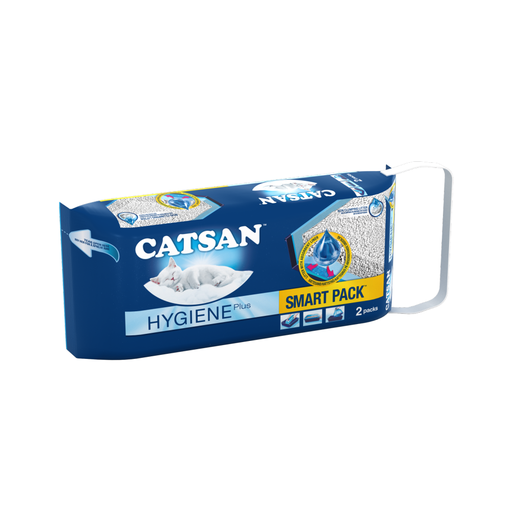
Why This Fits Their Persona: A straightforward option for owners who want an easy-clean cat litter solution without moving immediately to an automated system. Each pack contains two pre-filled inlays for compatible standard trays.
It does not rely on complex automation or app setup. The liner is replaced as a complete unit, helping avoid difficult tray scrubbing between changes.
Dust-free, super-absorbent liner; drawstring closure for disposal; fits most trays up to 45 × 55 cm.
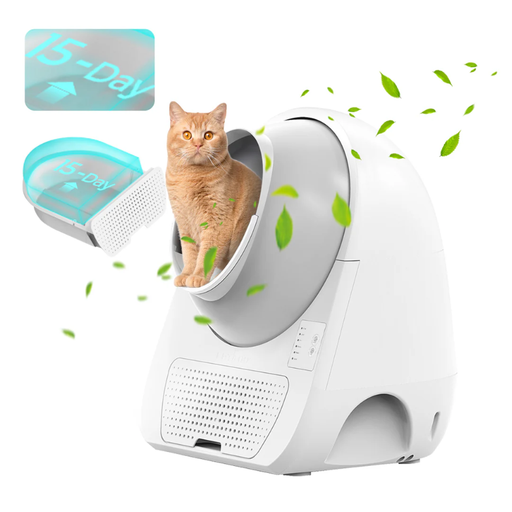
Why This Fits Their Persona: Suitable for owners seeking an automatic self-cleaning cat litter box with a spacious interior and a simple plug-in setup, without requiring Wi-Fi or app configuration.
The product specifies infrared sensing, automatic pause behaviour and anti-pinch protection. Its suitability range is clearly stated rather than left to assumption.
57-litre interior; dual filtration system; included litter-trapping mat; designed for clumping litter.
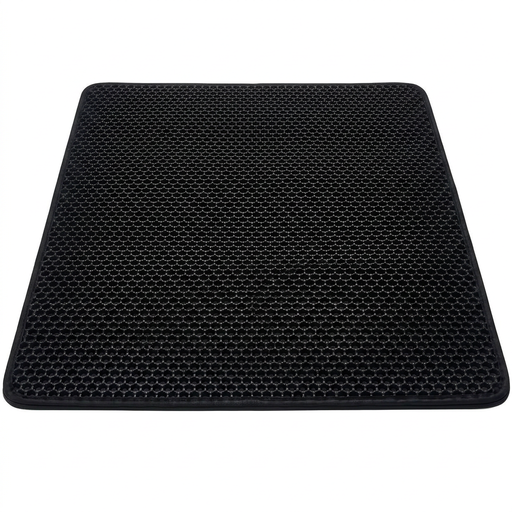
Why This Fits Their Persona: A practical choice for busy or multi-cat homes where reducing litter tracking across hard floors is a priority.
The larger 60 × 90 cm footprint provides more floor coverage than a small mat, while the honeycomb structure is intended to collect loose granules.
Waterproof EVA material; double-layer honeycomb design; suitable for use beside an automatic or standard tray.
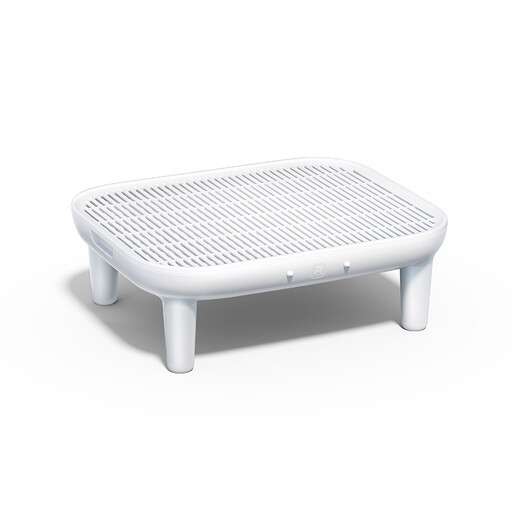
Why This Fits Their Persona: Designed for owners using the CS106 litter box who want a dedicated top-exit step and a more contained route for loose litter.
It is made for a specific CS106 top exit, reducing the risk of buying a generic mat that does not align securely with the tray.
Textured filtered surface; approximately 17 cm height increase; removable ABS platform for wiping or washing.
We have compiled a complete, real-time list of products that fully satisfy these strict selection criteria and UK safety regulations.
The ongoing cost may include electricity, clumping litter, waste bags, filters and replacement parts. It can be worthwhile for busy owners because it reduces manual scooping, but it does not eliminate cleaning or consumable costs. Compare the machine’s power requirements and replacement components before purchasing.
Lifespan varies according to build quality, cleaning frequency, litter residue and usage. A multi-cat household may place greater demands on the motor and waste system. Regularly remove dust and deposits, avoid overfilling and follow the maintenance instructions to help keep the mechanism operating correctly.