
24/7 Customer Support

Free returns

Same-day & Next-day Delivery

Quality Guaranteed

Unlock Your Welcome Offers: FREE Delivery | Up to 80% OFF | Free 30-day JoyPlus trial
Download the APP
For anyone who loves the aroma of freshly baked bread but dreads the sticky, time-consuming process of kneading, an automatic dough maker can feel like a kitchen miracle. These machines promise to take the arm-ache out of baking, delivering perfectly developed dough with just the press of a button. However, the market is filled with models that often over-promise and under-deliver.
As the Joybuy Product Recommendation Officer, my role is to help you see past the marketing clutter. Before you invest, it's crucial to understand the common traps that lead to buyer's remorse. Many buyers find themselves with a machine that is either too loud, too weak for wholemeal flour or simply doesn't produce the results they hoped for.
Here are the three most common pitfalls to watch out for:
To ensure you choose a reliable and effective machine, focus on these non-negotiable specifications. Understanding them will help you find a quality electric dough kneader that meets your baking needs.
The engine of any automatic dough maker is its motor. As mentioned, don't be swayed by wattage alone. Look for models that specify a DC motor. These are generally engineered for high-torque applications, allowing them to handle heavy, dense doughs without straining or overheating. A typical power rating for a good quality home model is around 200W. This is more than sufficient when paired with a DC motor, offering an efficient and surprisingly quiet operation.
Consider how much dough you realistically need to make. For a family that enjoys weekly homemade pizza or bread, a machine that can handle at least 1kg of dry flour is a good starting point. A 5L dough mixer is a popular and versatile size, but always verify the maximum recommended dough weight. For instance, a 5L model might be rated for up to 2.5kg of finished dough. The bowl itself should be made from food-grade 304 stainless steel. This material is durable, hygienic, easy to clean and won't react with acidic ingredients like sourdough starters.
The true convenience of a modern bread dough machine lies in its ability to handle the entire process from mixing to proofing. A model that is also a dough maker with fermentation is a significant step up. This function turns the machine into a dedicated home dough proofer, holding the dough at a constant, optimal temperature (usually around 28-32°C). This eliminates guesswork and provides a consistent rise every time, regardless of the ambient temperature in your kitchen—a common challenge for UK bakers, especially during colder months.
Based on these practical criteria, we've matched a few options from our catalogue to different types of home bakers.
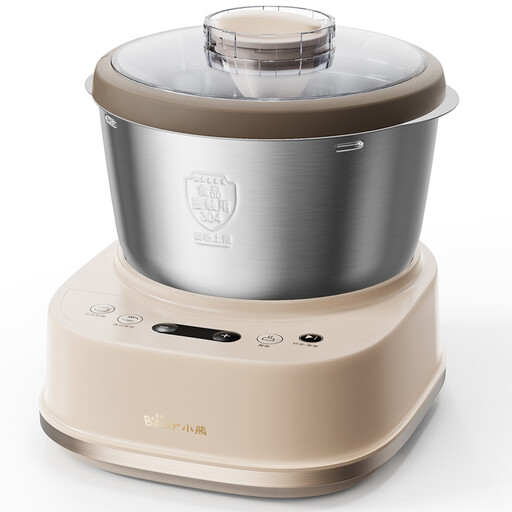
Why This Fits Their Persona: This user bakes frequently and in large quantities. The Bear dough maker is ideal, with its large 5L bowl capable of handling up to 2.5kg of dough—perfect for batch-baking bread, making multiple pizza bases or supplying a small bake sale.
It uses a 200W DC motor for quiet, high-torque kneading, avoiding the noisy, inefficient AC motor trap. It also clearly states its usable dough capacity and offers intelligent presets plus a dedicated fermentation function, giving the user real control.
The integrated constant temperature fermentation function provides consistent proofing results. The 304 stainless steel bowl is hygienic and durable.
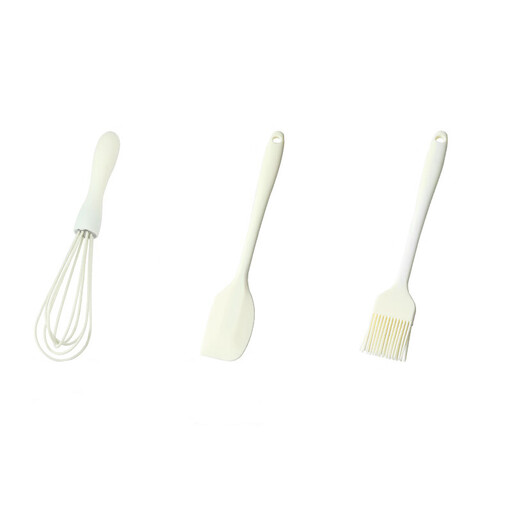
Why This Fits Their Persona: For someone curious about baking but not ready to commit to an expensive appliance, starting with the basics is key. This set provides the essential manual tools—a whisk for mixing, a scraper for handling dough and a brush for glazing—at a minimal cost.
This approach completely sidesteps the risk of investing in a costly machine that might end up gathering dust. It allows the user to experience the fundamentals of baking first, confirming their interest before considering an upgrade to an automatic device.
An extremely low-cost entry into the world of baking. These versatile tools are useful for countless other kitchen tasks, ensuring they remain valuable even if you upgrade later.
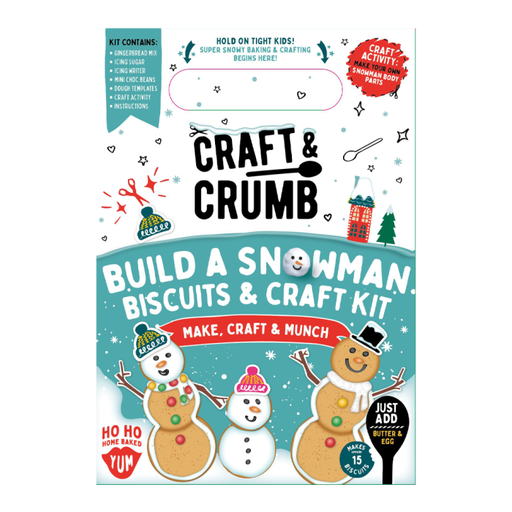
Why This Fits Their Persona: For those who bake with children, the experience is more important than technical perfection. This all-in-one kit provides a guided, fun activity, removing the hassle of measuring and sourcing ingredients and focusing on the joy of creating together.
It avoids the "one-button wonder" trap by being an intentionally hands-on, creative process. It's not about automation but about the shared experience, making it a more engaging choice for a family activity than a machine.
A complete, pre-portioned kit that guarantees a fun and successful baking project with children. It's an activity and a treat in one box.
We have compiled a complete, real-time list of products that fully satisfy these strict selection criteria and UK safety regulations.
Absolutely. Most automatic dough makers are versatile enough to handle a wide range of doughs. This includes pizza dough, pasta dough, chapati or roti dough and enriched doughs for brioche or cinnamon rolls. Always check the manufacturer's instructions, as some very stiff or very wet doughs may require specific settings.
The running cost is surprisingly low. A model with an efficient 200W DC motor, like the one featured, uses very little electricity. A typical 15-minute kneading cycle would consume approximately 0.05 kWh. Even with a 90-minute fermentation cycle, the total energy usage remains minimal, making it a very cost-effective appliance for regular use.
Cleaning is straightforward if you choose a model with a removable bowl. After use, simply remove the stainless steel bowl and the kneading blade and wash them in warm, soapy water. The main unit, which contains the motor and electronics, should never be immersed in water. Simply wipe it down with a damp cloth. This simple maintenance will ensure your machine has a long and productive life.