
24/7 Customer Support

Free returns

Same-day & Next-day Delivery

Quality Guaranteed

Unlock Your Welcome Offers: FREE Delivery | Up to 80% OFF | Free 30-day JoyPlus trial
Download the APP
For anyone who loves the aroma of freshly baked bread, the satisfaction of a homemade pizza or the delight of a warm pastry, the process always begins with the dough. But the reality of kneading can be time-consuming and physically demanding. An automatic dough maker promises to handle the hard work, but with so many models on the market, it's easy to make a purchase you'll regret.
As a Joybuy Product Recommendation Officer, my role is to help you navigate the options and identify the features that truly matter. Before you invest, let's look at the common pitfalls that can turn a helpful kitchen assistant into a cupboard-cluttering disappointment.
electric dough kneader can vibrate so intensely that it "walks" across your worktop. This is not only a nuisance but a genuine safety concern, especially in a busy kitchen. Stability is a non-negotiable feature.To ensure you choose a reliable dough machine for home, focus on these core specifications. They are far more important than flashy marketing claims.
One of the most confusing specifications is capacity. You will often see a bowl size listed in litres, such as a 5l dough mixer. However, this does not mean it can mix 5 litres of dough. The more practical figure is the maximum weight of dry flour the machine can handle, which determines your batch size.
The motor is the heart of an automatic dough kneading machine. Look for a model with a high-power DC motor. These are generally more durable, produce less noise and offer consistent torque to handle stiff doughs without overheating. A power rating around 200W is typically sufficient for most home baking needs, completing a kneading cycle in about 15 minutes. The kneading action should simulate manual techniques, stretching and folding the dough to develop gluten effectively.
The UK's fluctuating room temperatures can make dough proving unpredictable. A machine that combines kneading with a proving function is a significant advantage. A dedicated dough proofer machine feature maintains a constant, gentle warmth, creating the perfect environment for yeast to activate. This ensures a consistent, reliable rise every time, whether you're making a classic bread dough maker recipe or a delicate brioche.
Instead of a simple list, we've matched our recommendations to specific types of home bakers to help you find the right fit for your kitchen.
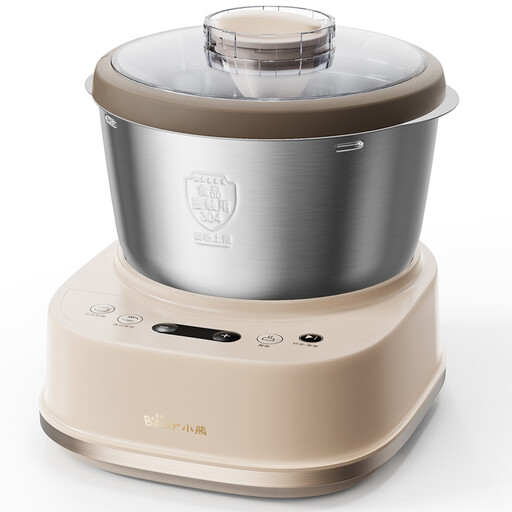
Why This Fits Their Persona: This Bear dough maker is designed for those who bake regularly for their family. The 5L capacity handles large batches for pizzas, bread or pastries, while the automated kneading and fermentation frees up valuable time to focus on other tasks.
It features a quiet 200W DC motor, avoiding the noise and inefficiency of overpowered models. Stability is ensured by bottom silicone pads and the 304 stainless steel bowl is removable for simple, hygienic cleaning.
The integrated constant temperature fermentation provides consistent results, taking the guesswork out of proving dough. It also features a simple microcomputer control panel for ease of use.
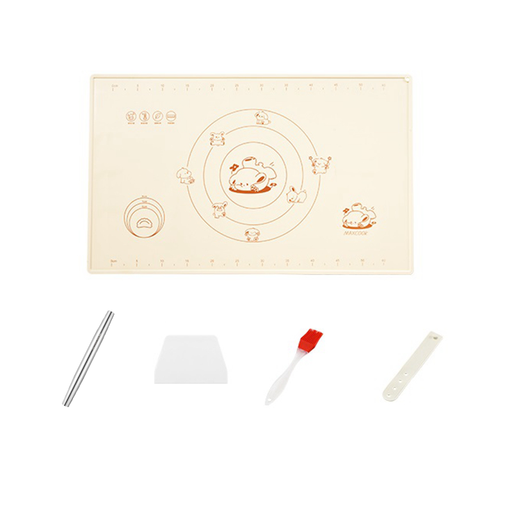
Why This Fits Their Persona: Once your dough is perfectly kneaded, you need the right surface to work with it. This set is for the baker who is ready to move beyond basic loaves and tackle pastries, pies and fondant work with precision.
It avoids the frustration of dough sticking to countertops. The non-slip base grips the work surface, while the food-grade silicone provides a non-stick area for rolling. The measurement guides prevent guesswork.
This is a complete kit, including a stainless steel rolling pin and dough scraper. The mat is heat-resistant and easy to clean, making it a durable and versatile addition to any baker's toolkit.
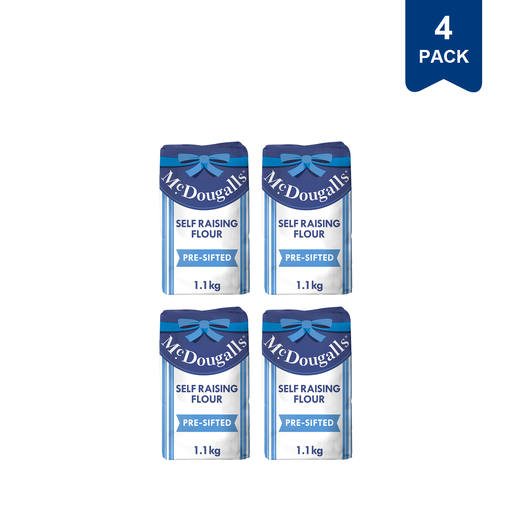
Why This Fits Their Persona: A great dough maker is only as good as the ingredients you put in it. For the organised baker who wants consistent results, having a reliable, quality flour on hand is essential for everything from cakes to scones.
This avoids the trap of inconsistent bakes caused by using the wrong type of flour. As a self-raising flour, the raising agents are pre-mixed, ensuring a reliable rise for recipes that require it, like sponges and scones.
McDougalls is a long-standing British brand known for its finely milled wheat. This pre-sifted flour saves a step in preparation and helps achieve a light, airy texture in your final bakes.
We have compiled a complete, real-time list of products that fully satisfy these strict selection criteria and UK safety regulations.
These appliances are surprisingly energy-efficient. A typical 200W machine that runs for a 15-minute kneading cycle (0.25 hours) will use just 0.05 kWh of electricity. Based on an average UK electricity price of 25p per kWh in 2026, a single use would cost you just over one penny.
Most home models are versatile enough to handle plain, bread, wholemeal and speciality flours. The most important factor is adjusting the hydration level, as different flours absorb water differently. Wholemeal flour, for instance, typically requires more water than white bread flour. It is always a good idea to start with the manufacturer's recommended flour-to-water ratios and adjust from there.
With proper care, a well-constructed automatic dough maker should provide many years of reliable service. The lifespan is often determined by the motor quality and user habits. To prolong its life, avoid consistently overloading the machine beyond its stated flour capacity, allow the motor to cool down if it triggers its thermal protection and always clean the removable components according to the instructions.