
24/7 Customer Support

Free returns

Same-day & Next-day Delivery

Quality Guaranteed

Unlock Your Welcome Offers: FREE Delivery | Up to 80% OFF | Free 30-day JoyPlus trial
Download the APP
For many UK households, the aroma of freshly baked bread, pizza or pastries is one of life’s simple pleasures. Yet, the time and physical effort required for kneading and proofing dough can be a significant barrier. An automatic dough maker promises to solve this, but navigating the market can be tricky. Many buyers find themselves with a machine that fails to deliver, gathering dust in a cupboard.
As the Joybuy Product Recommendation Officer, my role is to help you sidestep these issues. Before you invest, be aware of the most common pitfalls that lead to disappointment:
To ensure your new appliance becomes a trusted kitchen workhorse, focus on these non-negotiable specifications.
The heart of any hands-free kneading machine is its motor. Look for models with a high-power DC motor, which tends to be quieter and more efficient than its AC counterpart. The power, rated in watts (e.g., 200W), should be sufficient to handle the maximum stated flour capacity without straining. A well-designed machine will simulate manual kneading with a consistent, powerful rotating action, ensuring the dough is stretched and folded correctly to develop a strong gluten structure. This is what gives your bread its characteristic chew and elasticity.
For a family or an enthusiastic home baker, a 5L dough kneader is an excellent benchmark. This provides enough space to prepare up to 2.5 kg of dough in a single cycle, sufficient for a large loaf, a family-sized pizza night or a batch of pastries. Pay close attention to the bowl's material. A bowl made from 304 stainless steel is durable, food-safe, resistant to rust and easy to clean. It won't retain odours or stains from previous batches.
To achieve bakery-quality results at home, you need control. An intelligent dough fermenter function is a game-changer. This feature maintains a constant, optimal temperature inside the bowl throughout the proofing stage. It eliminates the guesswork and inconsistency caused by fluctuating room temperatures, ensuring your dough rises perfectly every time. Some advanced models, like the Bear dough maker, offer pre-set programmes for different types of dough, further simplifying the process.
Instead of a generic list, we've matched specific products to the UK home bakers who would benefit from them most.
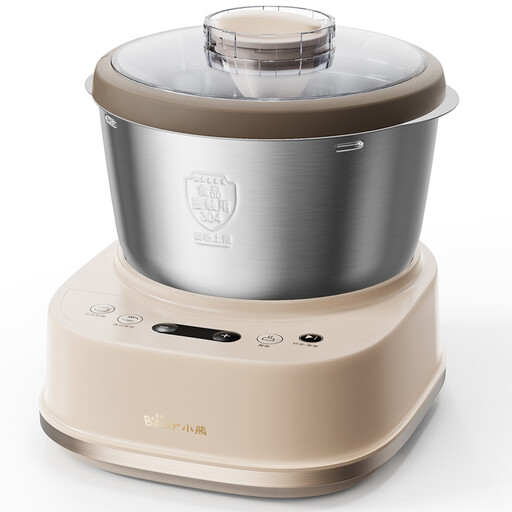
Why This Fits Their Persona: Ideal for large families or anyone who bakes frequently. This machine automates the entire process, from mixing and kneading to proofing, freeing up hours of your time for other tasks. It's perfect for preparing dough for weekend bread, mid-week pizza or festive treats.
It directly counters the main pitfalls with a powerful 200W DC motor, a genuine 5L capacity bowl and an intelligent constant temperature fermentation system. This ensures it can handle large batches and deliver consistent results.
Fully automated "set-and-forget" operation. The microcomputer control and dedicated programmes for different dough types remove all the guesswork from making a perfect **bread dough machine for home** use.
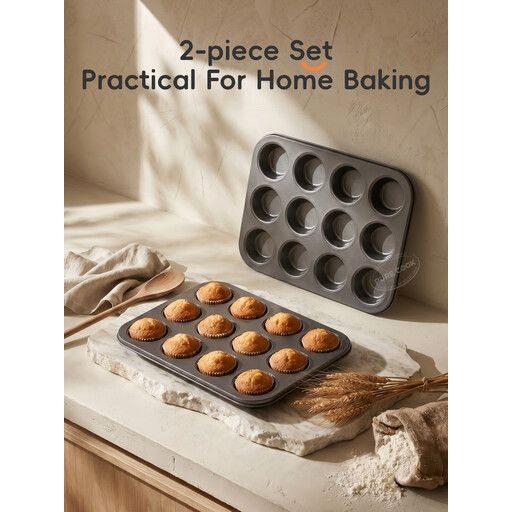
Why This Fits Their Persona: For the baker who has mastered their batter and wants to maximise efficiency. This is perfect for preparing school lunchbox treats, afternoon tea portions or party cupcakes in one go, saving time and oven energy.
A common trap with bakeware is uneven cooking and difficult release. The carbon steel construction ensures even heat distribution across all 12 cavities, while the multi-layer non-stick coating allows for easy, clean demolding without using paper liners.
Allows you to bake 12 uniform small cakes or muffins simultaneously. The lightweight, stackable design also makes for very convenient storage in a crowded kitchen.
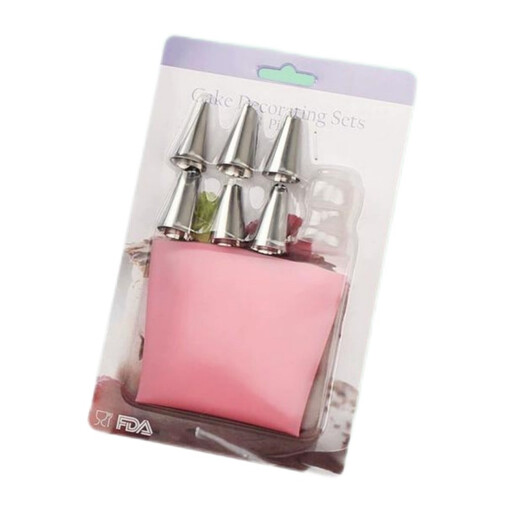
Why This Fits Their Persona: For the home baker who has perfected their cakes and biscuits and now wants to elevate their presentation. This kit provides the essential tools to start creating beautiful piped decorations without being overwhelming.
Many beginner sets use flimsy plastic nozzles that offer poor control and are hard to clean. This set avoids that by providing durable, food-grade stainless steel tips, which deliver crisp, professional-looking patterns and are built to last.
This is a practical starter kit that includes a reusable piping bag and a selection of the most commonly used tips for rosettes, stars and writing. It's an affordable entry point into the world of cake decorating.
We have compiled a complete, real-time list of products that fully satisfy these strict selection criteria and UK safety regulations.
While both can knead dough, they are designed for different purposes. A stand mixer is a multi-purpose appliance with various attachments for whipping, mixing and kneading. An automatic dough maker is a specialised device focused solely on kneading and, crucially, fermenting dough in a temperature-controlled environment. If your primary goal is making bread, pizza and other yeasted doughs with maximum consistency and minimal effort, a dedicated dough maker is often the more straightforward choice.
This is an important question. The 5L refers to the total volume of the bowl. The actual working capacity for flour is lower. A quality 5L machine can typically handle between 400g and 1600g of dry flour per batch. This is enough to produce one very large loaf or two standard-sized loaves of bread. Always check the manufacturer's specifications for the recommended flour-to-water ratio, which is usually around 100:50 to 100:60.
Most modern dough makers are designed for easy cleaning. The primary component to clean is the stainless steel bowl, which is removable and can be washed with warm, soapy water. The kneading blade is also detachable. The main unit containing the motor should never be submerged in water; simply wipe it down with a damp cloth. As there are fewer components than a stand mixer, cleanup is generally very quick.