
24/7 Customer Support

Free returns

Same-day & Next-day Delivery

Quality Guaranteed

Unlock Your Welcome Offers: FREE Delivery | Up to 80% OFF | Free 30-day JoyPlus trial
Download the APP
Juggling a busy work schedule, planning a weekend away or simply trying to manage your pet's diet can be challenging. Ensuring your cat or dog is fed on time with the correct amount of food is a top priority for any owner, but life often gets in the way. An automatic pet feeder can provide a reliable solution, offering peace of mind and establishing a consistent routine for your furry companion.
However, the market is filled with options, from simple timed dispensers to smart, WiFi-enabled devices with cameras. This guide is designed to help you understand the key features to look for, so you can choose a feeder that genuinely suits your lifestyle and your pet's needs.
Navigating the specifications can feel overwhelming. Here are a few practical points to consider that will help you narrow down your options.
The most significant difference between models is how you schedule feedings.
One of the primary benefits of an automated pet food dispenser is dietary management. Look for a portion control feeder that allows you to dispense small, precise increments of food. This is particularly important for managing your pet's weight or for smaller animals that eat little and often. Also, consider the total capacity of the food tank. A larger capacity (e.g., 3-5 litres) is ideal for medium-sized dogs or for when you plan to be away for several days, while a smaller unit may suffice for a single cat and daily use.
Reliability is crucial. Many feeders offer a dual power system—mains power via a USB adapter, with a slot for backup batteries. This ensures that even during a power cut, your pet’s feeding schedule remains uninterrupted.
For those wanting extra reassurance, a pet feeder with camera is a popular choice. These models often include two-way audio, so you can see and speak to your pet during mealtimes, which can be comforting for both of you, especially during longer trips.
Here are a few models that stand out for their specific features and functionality, catering to different needs and preferences.
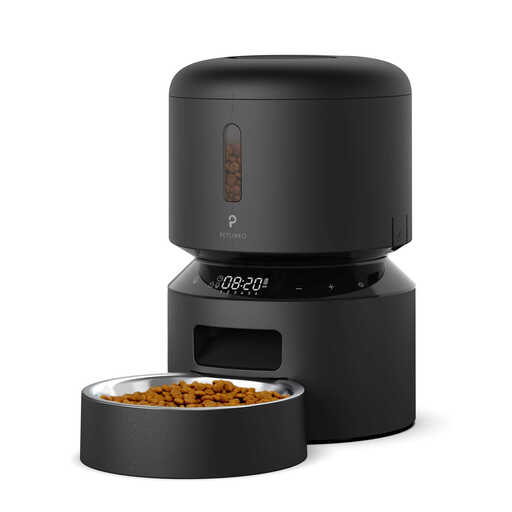
Why It Stands Out: This model offers a great balance of smart functionality and practical design. The WiFi connectivity and app control provide modern convenience, allowing you to manage your pet's feeding schedule from anywhere, while its core design focuses on reliability and keeping food fresh.
Pros:
Who is it for? This is a suitable choice for pet owners who want the flexibility of a WiFi pet feeder without needing a camera. It’s ideal for managing complex feeding schedules and ensuring food quality.
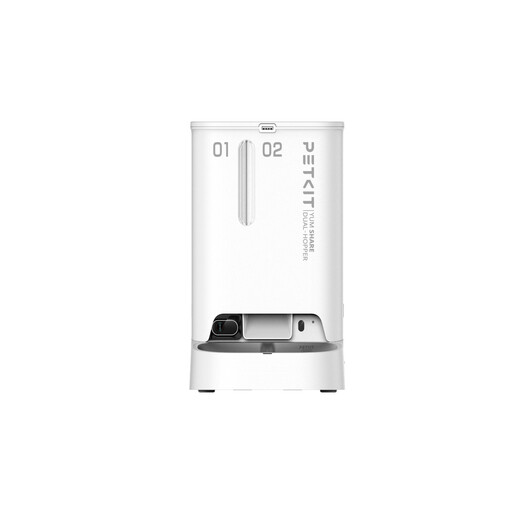
Why It Stands Out: This is a feature-rich device for the owner who wants complete remote interaction. The integrated 1080HD camera and two-way audio let you check in on your pet, while the unique dual-hopper design allows you to store and dispense two different types of food, perfect for dietary variety or multi-pet households with different needs.
Pros:
Who is it for? This feeder is designed for frequent travellers, owners of pets with separation anxiety or anyone who wants the peace of mind that comes with being able to see and talk to their pet. The dual-hopper is a bonus for those who feed a varied diet.
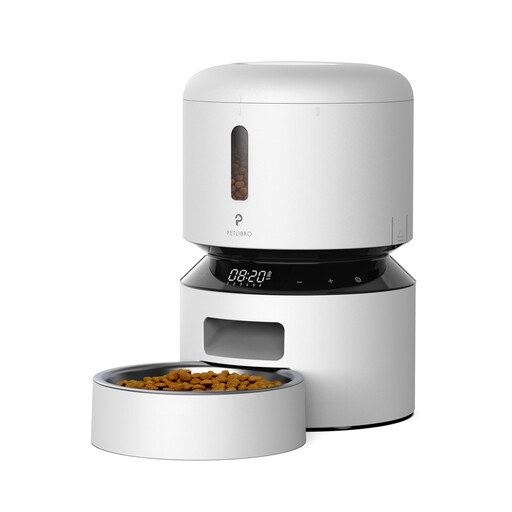
Why It Stands Out: This model prioritises simplicity and reliability over smart features. It’s a classic timed cat feeder that you program directly using the built-in LED screen and buttons. It does its job consistently without needing a WiFi connection or a smartphone app, making it a dependable choice for straightforward feeding automation.
Pros:
Who is it for? This is an excellent option for pet owners who prefer a no-fuss, reliable device. If you don't need remote access and want a feeder that you can set up once and trust to work, this is a solid choice.
These recommendations cover a range of common needs, but every pet and owner is unique. If you're looking for a different capacity, a model specifically for multiple pets or other features, there are many more choices available.
Explore our full range of automatic pet feeders to find the perfect fit.
1. Are automatic pet feeders good for cats? Yes, they can be very beneficial. Cats often thrive on routine, and an automatic cat feeder provides a highly consistent feeding schedule. This can help reduce begging behaviour and anxiety around mealtimes. A portion control feeder is also effective in preventing obesity, a common health issue in indoor cats.
2. Can you put wet food in an automatic pet feeder? The vast majority of automatic feeders, including those featured here, are designed for dry food (kibble) only. The dispensing mechanisms are not suited for wet food, which can cause clogs and spoil quickly without refrigeration. Specialised refrigerated feeders for wet food exist, but they are less common and typically hold fewer meals.
3. How do I get my pet used to a new feeder? Introduce the feeder slowly. For the first few days, place it near their existing food bowl without turning it on, letting them investigate it at their own pace. Next, try dispensing a few treats from it manually. Once they seem comfortable, you can serve their first full meal from the new feeder while you are home to supervise. Using the voice recording feature to call them can also help create a positive association.