
24/7 Customer Support

Free returns

Same-day & Next-day Delivery

Quality Guaranteed

Unlock Your Welcome Offers: FREE Delivery | Up to 80% OFF | Free 30-day JoyPlus trial
Download the APP
Whether you drive a family car, caravan, motorhome, lorry or trailer, the right automotive accessories can improve visibility, monitoring, emergency readiness and day-to-day convenience. However, product listings often focus on headline numbers while leaving out the details that determine whether an accessory is suitable for UK roads and your vehicle.
A low-priced upgrade can become a wasted purchase if it has the wrong voltage, limited signal range or an unsuitable mounting system. Use the following checks before choosing RV accessories, caravan accessories, lorry accessories or camping vehicle equipment.
Jump starters and inverters frequently advertise a peak or surge figure. This is not the same as continuous output. A 12V pure sine wave inverter rated at 2,000W, for example, is designed to deliver 2,000W continuously, while its 4,000W figure may only apply briefly when starting a load.
Similarly, a car jump starter’s engine-size guidance is more useful than its headline amp figure. Check whether the stated capacity covers your petrol or diesel engine and whether the unit is intended for a 12V system.
“Universal” does not guarantee compatibility. A reversing camera kit must match your vehicle’s voltage, cable route and available mounting space. Retractable seat belts may require professional fitting, correct anchorage points and compatibility with the existing vehicle structure.
For towing accessories, check the trailer socket, lighting arrangement, tow-bar setup and local roadworthiness requirements. Accessories should not obstruct number plates, lamps, indicators or the driver’s view.
A wireless accessory may work well in a short car but perform differently on a long trailer, fifth-wheel or lorry. Before buying a tyre pressure monitoring system, confirm its pressure range, sensor count, vehicle-length guidance and whether a repeater is included.
Water resistance also needs context. An IP rating describes protection under specified test conditions; it does not mean a product can be submerged or ignored during cleaning and storage. Look for practical details such as charging time, battery replacement and operating temperature.
Most passenger vehicles use a 12V electrical system, while some larger vehicles use 24V. A reversing camera kit marked 12V–24V may suit a wider range of vehicles, but you should still check the wiring and fuse arrangement.
For an inverter, calculate the combined wattage of the appliances you intend to use. High-load models should generally connect directly to the battery using suitable cables rather than a cigarette lighter socket. Follow the supplied instructions, keep the unit ventilated and avoid using it near flammable materials.
A TPMS should cover the recommended cold-inflation pressure of your tyres, with some headroom. A four-sensor system is suitable for many cars and SUVs, while a six-sensor model may suit a motorhome, trailer or lorry setup.
Look for a visible display, temperature monitoring and alerts for rapid leakage, high or low pressure and sensor voltage. The vehicle’s handbook and tyre placard remain the reference for correct inflation; a TPMS is a monitoring aid, not a replacement for manual checks.
Wireless trailer lights can be convenient for temporary towing, agricultural use or moving equipment between vehicles. Check the transmitter type, pairing process, battery life, magnetic fixing and water-resistance rating. The supplied listing for one kit states an E11 mark, but buyers should still confirm that the complete lighting arrangement meets their intended UK road use and remains visible, secure and correctly positioned.
For car safety equipment, particularly replacement seat belts, do not rely solely on a “universal” description. Confirm the belt length, mounting points, buckle arrangement and installation requirements. Professional installation is sensible where the accessory affects occupant restraint.
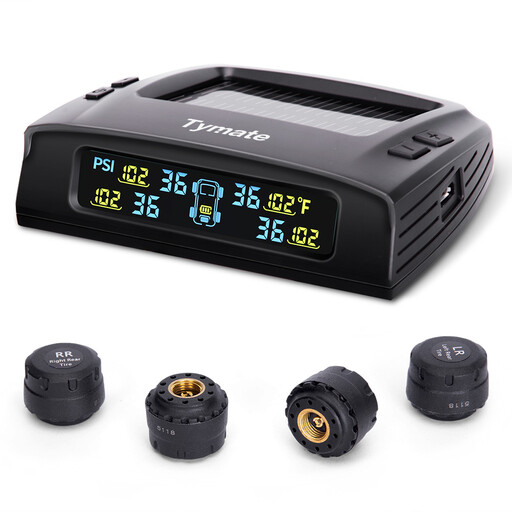
Why This Fits Their Persona: A practical starting point for car, SUV and shorter trailer users who want live pressure and temperature information without fitting an integrated system.
The listing states a 0–116 PSI range, four external sensors, automatic wake-up and alarms for pressure, temperature and rapid leakage.
Colour LCD display; rechargeable monitor; replaceable CR1632 sensor batteries.
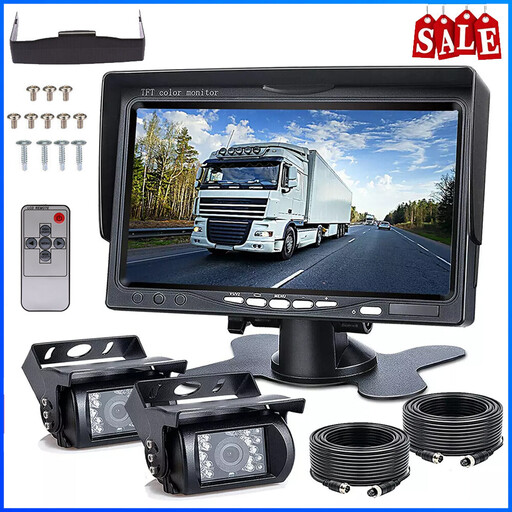
Why This Fits Their Persona: Suitable for caravan, RV, van, bus and lorry owners who need a broader rear-view setup for reversing or monitoring.
It specifies 12V–24V operation, two camera inputs, a 7-inch monitor and IP67 camera protection rather than relying only on a generic fit claim.
Includes two cameras, a 10-metre video cable and a monitor with automatic reverse trigger support.
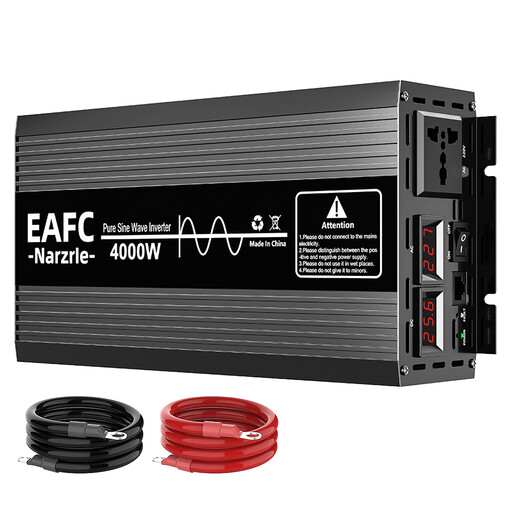
Why This Fits Their Persona: A 12V power option for RV travellers, lorry users, campers and outdoor workers running mains appliances away from a standard socket.
The specification separates 2,000W rated output from 4,000W peak output and states that loads above 150W require direct battery connection.
Pure sine wave output; input and output digital displays; multiple protection functions.
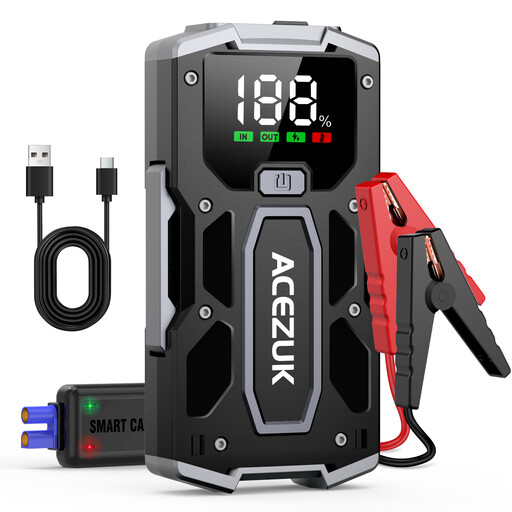
Why This Fits Their Persona: Useful for motorists, campers and light commercial users who want portable emergency battery support and USB charging.
The listing identifies petrol and diesel engine capacities and includes connection instructions, rather than presenting the unit as suitable for every vehicle.
LCD status display; USB power-bank function; LED work light with several modes.
We have compiled a complete, real-time list of products that fully satisfy these strict selection criteria and UK safety regulations.
Running costs depend on charging frequency, battery replacement and the vehicle’s electrical system. Wireless lights and jump starters need periodic charging, while external TPMS sensors may require replacement coin cells. An inverter can draw substantial current at high loads, so monitor battery voltage and avoid using high-wattage appliances with the engine off.
Some kits use straightforward brackets and supplied cables, but installation depends on the vehicle. You may need to route wiring through trim, connect to a reverse-light circuit and protect cable entry points from water. If you are unsure about vehicle electrics, use a qualified installer and verify that the camera does not interfere with existing systems.
The supplied product information for the featured systems gives an approximate sensor battery life of two years, although actual life depends on use and conditions. Check the display for low-voltage warnings, inspect valve fittings periodically and confirm tyre pressures manually before long journeys.