
24/7 Customer Support

Free returns

Same-day & Next-day Delivery

Quality Guaranteed

Unlock Your Welcome Offers: FREE Delivery | Up to 80% OFF | Free 30-day JoyPlus trial
Download the APP
As a parent or guardian in the UK, navigating the world of baby and toddler cups can feel overwhelming. The shelves are filled with countless options, each promising to be the perfect solution for your little one. However, many of these products come with hidden flaws that can lead to frustration, wasted money and even hygiene concerns.
My role as a Joybuy Product Recommendation Officer is to help you see past the marketing jargon. Before you make a purchase, it's crucial to be aware of a few common pitfalls:
sippy cups can encourage an immature sucking pattern similar to a bottle. This may interfere with the development of muscles in the mouth needed for speech and mature swallowing patterns.By understanding these issues, you can make a more informed choice that prioritises safety, practicality and your child's healthy development.
To select the right cup, focus on a few core parameters rather than flashy features. These are the non-negotiables that ensure a product is safe, practical and appropriate for your child.
Seeing a BPA-free sippy cup label is reassuring, but in the UK, it's the legal standard for all baby feeding products. True quality lies in what the product is made from. Look for cups made from high-quality, food-grade materials like polypropylene (PP) and silicone. These materials are not only durable and lightweight but are also typically free from other substances like phthalates and PVC, offering extra peace of mind.
A cup that's perfect for a six-month-old may not be suitable for a two-year-old. Matching the cup type to their developmental stage is key.
weaning cup.transition cup with a soft spout or a weighted straw cup for toddlers can be introduced. These help build independence while still offering some spill protection.toddler training cup with a straw or a 360-degree rim. The focus shifts towards durability, capacity and features that suit an active lifestyle.A cup is only as good as your ability to clean it. Look for designs with minimal parts that are easy to disassemble. Cups that are top-rack dishwasher safe save considerable time and effort. For straw cups, check if a cleaning brush is included or if the straw is designed for easy access, as this is the most common spot for residue to build up.
Based on these practical criteria, here are a few recommendations from our catalogue, matched to specific parental needs and priorities.
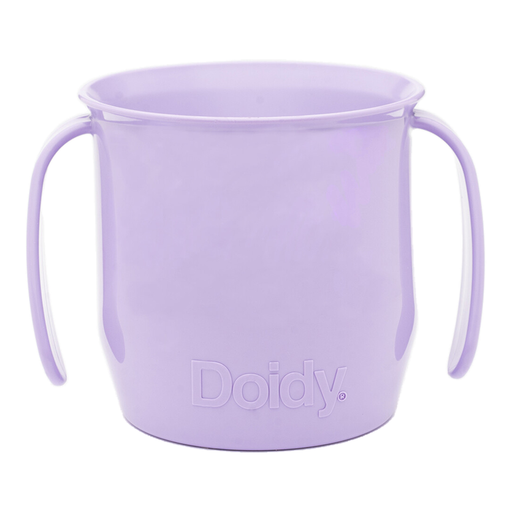
Why This Fits Their Persona: Ideal for parents starting the weaning journey from as early as 3 months. It's designed to teach open-cup drinking, a skill recommended by UK health professionals for supporting the transition from breast or bottle.
It has no spouts, straws or valves, completely eliminating the risk of hidden mould and encouraging healthy oral development by teaching sipping, not sucking.
The unique slanted design allows the child to see the liquid without tilting their head excessively, which helps develop hand-eye coordination and reduces spills.
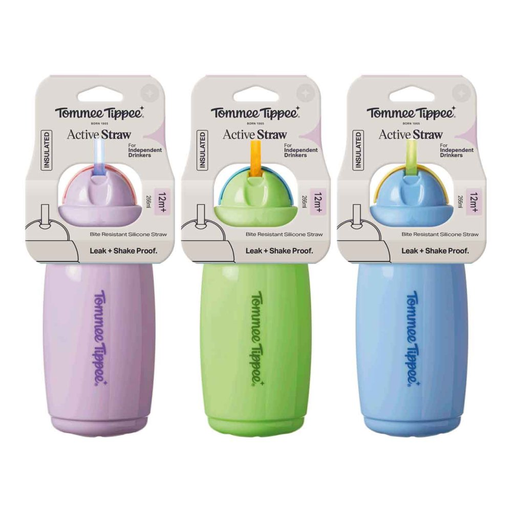
Why This Fits Their Persona: Built for parents of busy toddlers who need a reliable non-spill baby cup for days out, car journeys and nursery. Its durable and insulated design is practical for an active lifestyle.
It addresses the false "non-spill" promise with INTELLIVALVE technology, a specific system designed to be shake-proof and leak-proof, offering more reliability than basic valves.
The insulated base keeps drinks cool for longer. According to the brand, the straw also features BACSHIELD antibacterial technology, which reduces bacteria.

Why This Fits Their Persona: This is for the parent whose top priority is hygiene. If you've ever worried about what might be lurking inside a straw, this cup's design provides a straightforward solution.
It directly solves the "hidden mould trap" with a unique straw that zips open. This allows for a thorough scrub of the entire inner surface, leaving no place for residue to hide.
Exceptionally easy to clean without needing special, tiny brushes. The cup also includes a spill-proof valve to prevent leaks during use.
We have compiled a complete, real-time list of products that fully satisfy these strict selection criteria and UK safety regulations.
Many UK health visitors and the NHS suggest introducing an open cup from around 6 months of age, or whenever you begin weaning. Starting early helps them develop the muscles for sipping and swallowing. You can begin with a tiny amount of water. A cup like the Doidy is designed for use from 3 months, allowing for an even earlier, gentle introduction.
There is no fixed timeline, but you should inspect cups regularly. Look for signs of wear and tear, such as bite marks on the spout or straw, cracks in the plastic or a silicone valve that no longer seals properly. If any part is damaged, it's best to replace the cup or the specific part if possible to ensure it remains hygienic and safe.
When used correctly, straw cups are generally considered a good option for oral development. They encourage sipping, which uses more mature mouth muscles than the sucking action associated with bottles or some hard-spouted cups. The key is to use them for water or milk at mealtimes and to avoid letting your child walk around with or sleep with a cup containing sugary drinks, as prolonged exposure can contribute to tooth decay.