
24/7 Customer Support

Free returns

Same-day & Next-day Delivery

Quality Guaranteed

Unlock Your Welcome Offers: FREE Delivery | Up to 80% OFF | Free 30-day JoyPlus trial
Download the APP
Bath time can be easier when a child has something suitable to hold, watch and explore. However, choosing baby bath toys involves more than picking the brightest floating character. Age suitability, water retention, material information and cleaning requirements all affect whether a toy remains practical after the first few baths.
This guide explains the main buying pitfalls and highlights suitable options for different UK households, from newborn-friendly bath books to toddler bath toys designed for squeezing, stacking and early learning.
A toy may look suitable for a baby but still contain small parts, require stronger grip control or carry a minimum age of 9, 12, 18 or 24 months. Always check the age guidance on the packaging and product page.
For example, sealed floating toys may be suitable from 0+ months, while bath letters and numbers are intended for children aged 18+ months. A wind-up octopus listed for older children should not be treated as a suitable option for infants simply because it is used in water.
Traditional baby bath squirters can draw water into their bodies. If they are not emptied and dried thoroughly, moisture may remain inside between uses. This can create an unpleasant cleaning problem and may shorten the useful life of the toy.
Squirters can still provide enjoyable cause-and-effect play, but they require more maintenance than sealed or no-hole designs. If easy hygiene is a priority, look for mould-free bath toys with sealed construction or a single-piece design.
A bath toy with a heat-sensitive indicator can provide an additional visual prompt, but it does not replace checking the water yourself. Follow the manufacturer’s instructions, check the water temperature before use and keep your child within arm’s reach throughout bath time.
A toy is never a flotation device, and no bath-time product removes the risk associated with water.
Match the toy to your child’s current age and ability, not a future stage. For bath toys for babies, prioritise large, easy-to-grip shapes with no detachable pieces. For toddlers, stacking cups, sensory toys and floating letters can offer more varied interaction.
Check for:
Look for clear material descriptions rather than vague phrases such as “premium” or “child-friendly”. Options in this selection include BPA-free plastic, food-grade silicone, BPA-free vinyl and PVC-free materials.
Material information does not remove the need to inspect toys regularly. Replace any item showing cracks, tears, leaks, loose parts or other damage. Also avoid using harsh cleaning chemicals unless the instructions specifically permit them.
A toy that is simple to dry is often more practical in a busy UK bathroom. Open cups can be rinsed and left to air dry, while no-hole silicone toys are designed not to draw bath water inside. Squirters need to be emptied after every use.
Useful features include:
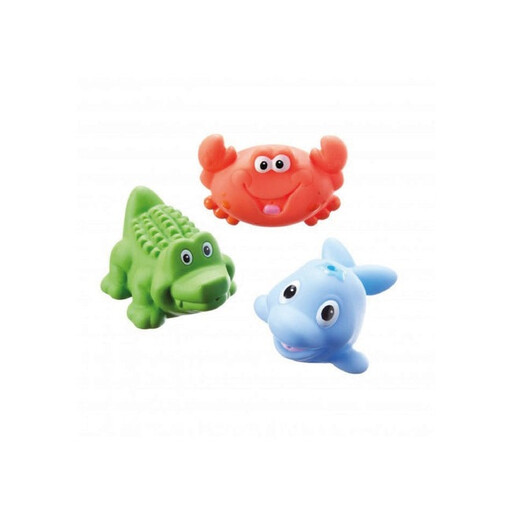
Why This Fits Their Persona: A three-piece set gives families an accessible way to introduce interactive water play without buying a large collection. The sea-creature shapes are designed for small hands and are suitable from 6+ months.
The product information clearly explains that water should be squeezed out after each bath and the toys should be air-dried, helping buyers plan for the upkeep required by squirters.
BPA-free vinyl; soft bodies can be squeezed to fill and spray water.
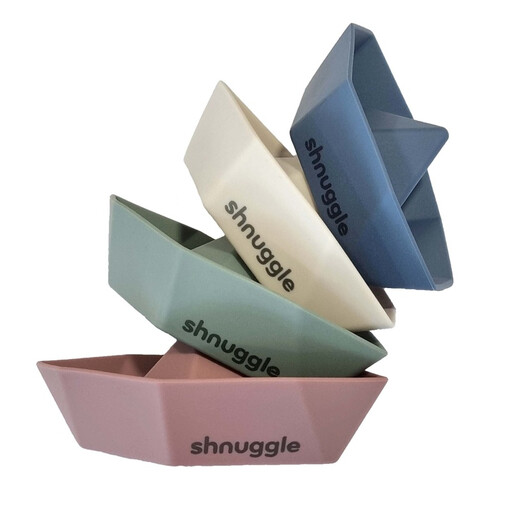
Why This Fits Their Persona: Families prioritising straightforward cleaning and long-term usability may prefer this four-boat set. The boats are suitable from 0+ months and can be stacked neatly after use.
Its single-piece, no-hole construction is designed to avoid water becoming trapped inside, addressing a common concern with enclosed bath toys.
Food-grade silicone; BPA-, phthalate- and PAH-free material as listed.
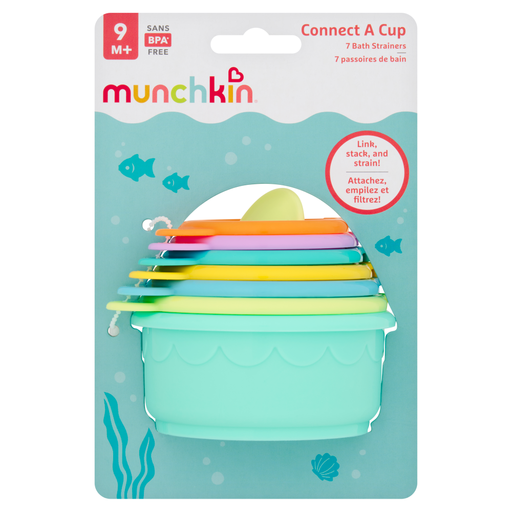
Why This Fits Their Persona: This set suits toddlers who enjoy repeating actions such as stacking, linking, scooping and pouring. The numbered cups also create opportunities for counting and sorting during supervised play.
Unlike a toy marketed only around colour or character design, each cup offers a defined activity and can be rinsed or placed in the dishwasher as specified.
Seven BPA-free cups; bases create different sprinkle effects.
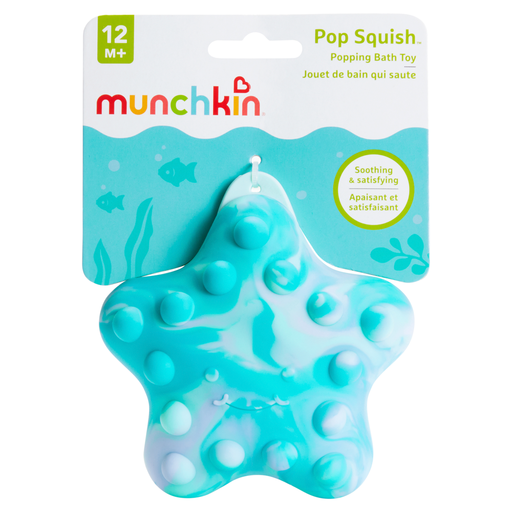
Why This Fits Their Persona: Toddlers aged 12+ months who enjoy tactile feedback may respond to the squeezable starfish shape and popping sensation. It requires no batteries or assembly.
The airtight, hole-free design does not require parents to squeeze water out after play in the same way as conventional squirters, although rinsing and drying remain sensible care steps.
Made from 100% food-grade silicone; sealed structure is designed to limit moisture ingress.
Rinse toys with clean water after use to remove soap residue. Empty squeezers completely, wipe sealed toys and leave every item to air dry in a well-ventilated area before storing.
Keep bath toys away from sharp objects and harsh chemicals. Inspect them before each use, particularly if a child bites or squeezes them regularly. Discard damaged items immediately. A mesh organiser or ventilated basket can help keep sensory bath toys separate from damp bath surfaces.
We have compiled a complete, real-time list of products that fully satisfy these strict selection criteria and UK safety regulations.
Some products are labelled 0+ months, such as waterproof bath books, sealed ducks and no-hole silicone boats. Even with these products, an adult must remain within arm’s reach, check the water temperature and remove all packaging before use.
Rinse toys after every bath and allow them to dry fully before storage. Squirters should be emptied after each use. Wash products according to their care instructions; some cup sets are dishwasher safe, while soft books may only require wiping with a damp cloth.
There is no fixed lifespan. Longevity depends on the material, frequency of use, cleaning routine and storage conditions. Replace any toy at the first sign of splitting, leakage, torn silicone, loose parts or other damage, even if it still appears visually appealing.