
24/7 Customer Support

Free returns

Same-day & Next-day Delivery

Quality Guaranteed

Unlock Your Welcome Offers: FREE Delivery | Up to 80% OFF | Free 30-day JoyPlus trial
Download the APP
Bath-time products can look reassuringly similar on the shelf, yet the differences matter when you are washing a newborn, a child with sensitive skin or a toddler who dislikes getting shampoo in their eyes. A low price is not always good value if the bottle is unsuitable for hair, heavily fragranced or difficult to use without wasting product.
This guide from the Joybuy Product Recommendation Officer focuses on practical details rather than marketing language, helping UK parents, carers and gift buyers compare baby bath and wash products with greater confidence.
A tear-free baby wash is designed to make eye contact less uncomfortable, but it does not guarantee that every child will tolerate every ingredient. Fragrance, preservatives, botanical extracts and colourants may still matter if your baby has reactive skin.
Always check the current packaging and full ingredient list. Stop using a product if redness, discomfort or irritation develops, and seek medical advice when appropriate.
Terms such as natural origin, botanical or plant-based do not automatically mean a product is suitable for every newborn. Essential oils, fragrance components and plant extracts can still be unsuitable for some children.
Look at the whole formula, not one highlighted ingredient. A short, clearly presented ingredient list and a product labelled for the child’s age can be more useful than a large natural-origin percentage.
A 500ml bottle may offer a lower cost per millilitre, but it can be awkward beside a small UK bath or difficult to dispense while supporting a baby. Some products are designed for direct washing, while others work mainly as a baby bubble bath under running water.
Check the directions, bottle size and whether you need one product for hair and another for the body. A baby shampoo and body wash combination can save space and simplify bath time.
For a newborn bath wash, confirm that the product is explicitly marked as suitable from 0 months or from birth. “Kids” products may be suitable for older children but should not automatically be treated as newborn products.
Also identify whether it is:
Use only the quantity stated on the label. More foam does not necessarily mean better cleansing.
Parents seeking a sensitive skin baby wash often prefer formulas without added colourants, soap or fragrance. However, “sulphate-free” alone does not describe the entire formula, so compare the complete ingredients list.
For example, Aveeno Baby Daily Care Gentle Bath & Wash is described as soap-free and free from sulphates and dyes, with glycerin, oat flour, chamomile and aloe listed among its ingredients. By contrast, some fragranced bubble baths prioritise scent and foam for an enjoyable toddler experience.
A hypoallergenic baby bath label may indicate that the formula was developed to reduce the likelihood of allergic reactions, but it is not a promise that no child will react. Read the label and consider a small patch test where appropriate.
Compare bottle sizes alongside intended frequency of use. A 250ml bottle may be convenient for occasional bubble baths, while 400ml to 500ml formats may suit regular family use. Larger 720ml products can be useful for older children, but may be excessive for a newborn who needs only a small amount of cleanser.
For UK households, also check:
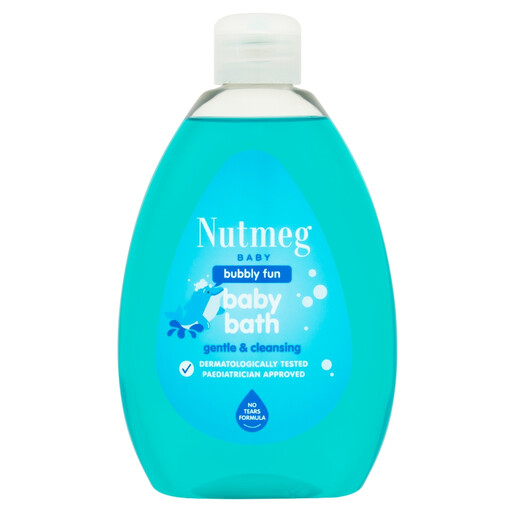
Why This Fits Their Persona: The 500ml format suits families wanting an everyday bath product with a practical volume. It is listed as suitable from 0+ months and can be added to warm running water for a foamy bath.
The listing identifies it as soap-free, tear-free and suitable for everyday use, helping buyers distinguish a baby bath from a strongly fragranced general shower gel.
500ml size; vegan formulation; Cruelty-Free International approval is stated in the product information.

Why This Fits Their Persona: This 400ml gentle baby bath is aimed at daily care and is listed as suitable from birth, making it a considered option for parents prioritising a simple, moisturising-feel formula.
The product information specifies a soap-free, dye-free and tear-free formula, rather than relying only on broad “natural” wording.
Contains glycerin, oat flour, aloe and chamomile; suitable for daily bathing from 0 months according to the listing.
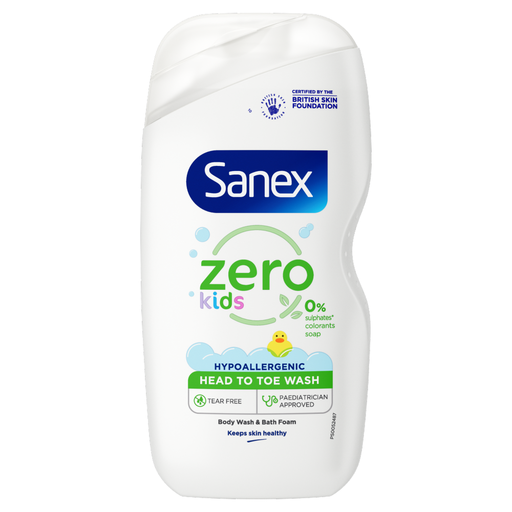
Why This Fits Their Persona: A 3-in-1 format suits families who want one product for body, hair and bubble baths, particularly when fragrance-free washing is a priority.
The listing specifies 0% fragrance, colourants and soap, allowing shoppers to compare these concrete attributes instead of relying on a vague sensitive-skin promise.
450ml bottle; can be used as a shower gel or bubble bath; ingredients include glycerin and inulin.
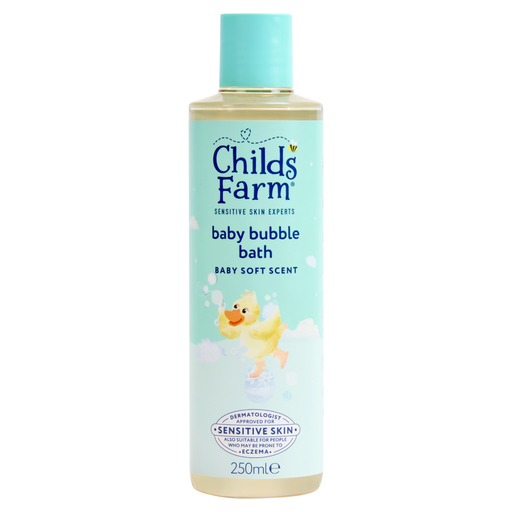
Why This Fits Their Persona: The 250ml format is suited to families who want bubbles for occasional toddler baths, while the product information lists use from birth.
It is identified as sulphate-free and the instructions explain how to add it under running water, reducing uncertainty about format and use.
Contains aloe vera and cucumber extracts; the listing states vegan certification and recyclable packaging.
We have compiled a complete, real-time list of products that fully satisfy these strict selection criteria and UK safety regulations.
Some products are labelled suitable from 0 months or from birth, but always follow the individual product directions. Newborn skin may not require cleanser at every bath, so use a small amount and avoid unnecessary fragranced products if your baby’s skin is easily irritated.
Bubble baths do not need to be used at every wash. For young babies, plain water may be sufficient for some baths. If you use a baby bubble bath, follow the label instructions, rinse where directed and stop use if irritation appears.
It can reduce the number of bottles you buy and simplify storage, but value depends on bottle size, dosage and how often it is used. Compare the price per 100ml and confirm that the formula is suitable for both hair and skin before purchasing.