
24/7 Customer Support

Free returns

Same-day & Next-day Delivery

Quality Guaranteed

Unlock Your Welcome Offers: FREE Delivery | Up to 80% OFF | Free 30-day JoyPlus trial
Download the APP
From the constant dribbles of a newborn to the messy adventures of a toddler discovering solid food, a good baby bib is an unsung hero of parenting. It saves countless outfits from stains, reduces laundry piles and makes mealtimes just a little bit tidier. But with so many types available—silicone, muslin, bandana and more—finding the right one for your child's specific stage can feel overwhelming.
As a Joybuy Product Recommendation Officer, my role is to help you navigate these choices. This guide offers practical advice to help you select the most suitable baby bibs for your little one, from their first days to their first birthday and beyond.
Before we look at specific recommendations, let's break down the key features to consider. Thinking about these points will help you match a bib's function to your baby's needs.
The material of a bib determines its primary use. For newborn bibs, softness and absorbency are paramount. Materials like muslin or 100% cotton are gentle on delicate skin and are excellent as absorbent dribble bibs for catching milk and spit-up.
As your baby starts teething, you'll want a bib that can handle a lot more moisture. Teething bibs, often made from multiple layers of cotton or fleece-backed cotton, are designed for this. For the weaning stage, silicone bibs or other waterproof bibs are incredibly practical. They don't absorb stains, can be quickly wiped clean or rinsed under the tap and often come with a built-in pocket to catch dropped food.
The style of a bib often relates directly to its function.
Consider your lifestyle. If you are often out and about, lightweight and foldable travel bibs are a must. Silicone bibs that can be rolled up are a popular choice. For home use, think about cleaning. While fabric bibs are soft, they need to be machine washed. Waterproof bibs can be wiped down in seconds, ready for the next meal.
Here are a few standout options that cater to different needs and developmental stages.
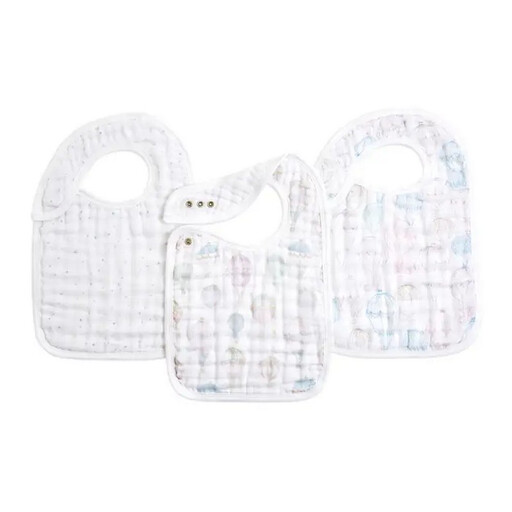
Why It Stands Out: These bibs are crafted from three layers of 100% cotton muslin, making them exceptionally soft and absorbent. The pre-washed fabric is gentle enough for a newborn's sensitive skin, and the design focuses on both comfort and function.
Pros:
Who is it for? Parents of newborns (0+ months) and young infants who need a soft, highly absorbent bib for milk feeds and managing daily dribbles.
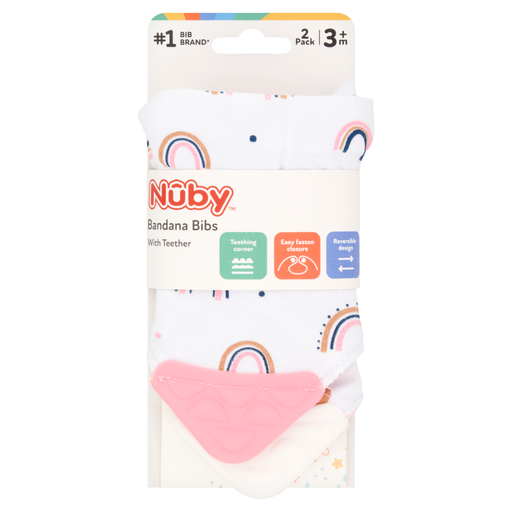
Why It Stands Out: This is a clever 2-in-1 product that combines a stylish bandana bib with an attached teether. It keeps your baby's clothes dry while providing instant relief for sore gums and you'll never have to search for a dropped teether again.
Pros:
Who is it for? Caregivers of babies aged 3 months and older who are in the throes of teething and need a solution that manages both drool and gum discomfort.
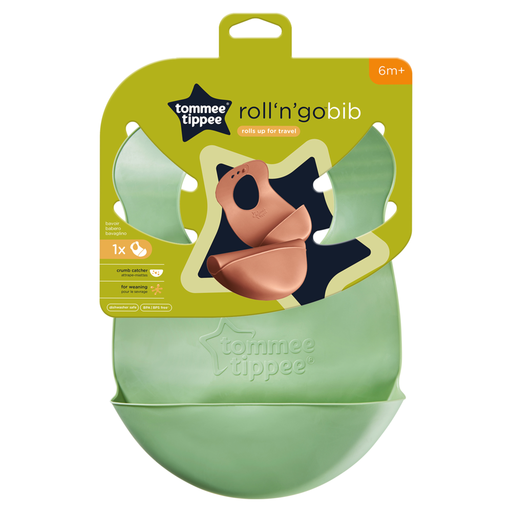
Why It Stands Out: This silicone bib is designed for ultimate practicality during the weaning phase. Its standout feature is the deep, crumb-catching pocket that contains spills and dropped food, significantly reducing clean-up time.
Pros:
Who is it for? Parents with babies aged 6 months and older who are starting their journey with solid foods and need a durable, easy-to-clean bib that minimises mess.
Every baby is unique, and the perfect bib for one might not be right for another. If the recommendations above don't quite match what you're looking for, or if you'd simply like to see a wider variety of styles and materials, there are many more to discover.
? Explore our full collection of baby bibs at Joybuy.co.uk
1. How many bibs does a newborn need? For a newborn, it's practical to have at least 8-10 bibs. Newborns frequently spit up milk, and you may go through several bibs in a single day. Having a good supply means you won't have to do laundry constantly.
2. What is the difference between a dribble bib and a feeding bib? A dribble bib (like a bandana bib) is typically smaller, more absorbent and designed to be worn for longer periods to manage constant drool, especially during teething. A feeding bib is larger and focuses on protecting clothes from food spills during mealtimes. Feeding bibs are often waterproof or have a pocket for catching food.
3. Are silicone bibs safe for babies? Yes, when purchased from reputable brands, silicone bibs are generally considered safe. Look for bibs made from 100% food-grade silicone that are labelled as BPA-free and free from other potentially harmful chemicals like phthalates. They are durable, hygienic and easy to clean. Always check product details to ensure they meet UK safety standards.