From the constant dribble of a teething newborn to the delightful chaos of a toddler's first foray into self-feeding, one small accessory becomes an indispensable part of daily life: the baby bib. While seemingly simple, the sheer variety of bibs available can be overwhelming. Choosing the right one isn't just about cute patterns; it's about finding a practical solution that keeps your baby comfortable, your laundry pile manageable and mealtimes a little less messy.
This guide is designed to help you navigate the different types of baby bibs, from absorbent dribble bibs for newborns to sturdy weaning bibs for adventurous eaters. We'll break down the key features to look for so you can find the right fit for your family's needs.
How to Choose the Right Baby Bib
Before adding to your basket, consider these practical points. Matching the bib to your baby's developmental stage can make all the difference.
1. Match the Material to the Mess
The material of a bib dictates its primary function, absorbency and how easy it is to clean.
- For Dribble and Spit-Up: In the early months, you'll be dealing with constant moisture. Muslin bibs and those made from 100% cotton are ideal. They are highly absorbent, soft against a baby's delicate skin and breathable. For babies with sensitive skin, look for organic baby bibs made from materials certified to be free from harsh chemicals. These are often sold as stylish bandana bibs that can be worn all day.
- For Weaning and Mealtimes: Once solids are introduced, you need a waterproof barrier. Silicone bibs or those made from flexible, food-grade polymers are excellent choices. They are completely waterproof bibs, can be wiped clean in seconds or placed in the dishwasher and often feature a large pocket to catch dropped food.
2. Check the Fastening and Fit
A bib is only effective if it stays on and fits comfortably.
- Fastenings: You'll commonly find snap closures, hook-and-loop fasteners (like Velcro) or adjustable ties. Snaps are durable and harder for a baby to pull off. Hook-and-loop is quick and easy but can lose its grip over time and collect fluff in the wash. Adjustable neckbands, often found on silicone bibs, offer a customisable fit as your baby grows.
- Fit: For newborn bibs, a smaller, contoured fit is best to avoid bunching around their face. For older babies, a bib with wider shoulder coverage protects more of their clothing. Always ensure the neck is snug enough to prevent food from slipping underneath, but loose enough that you can comfortably fit two fingers between the bib and your baby's neck.
3. Consider Special Features
Modern bibs often come with clever additions designed to solve specific problems.
- Bibs with Pocket: A crumb-catcher or food pocket is a non-negotiable feature for weaning bibs. This simple scoop at the bottom catches spills and crumbs, saving food from the floor and your baby's lap.
- Teething Corners: Some teething bibs have a chewy, textured silicone or TPE corner attached. This provides safe relief for sore gums while the bib absorbs the accompanying drool, meaning you don't have to worry about dropped teethers.
- Portability: If you're often out and about, look for bibs that can be rolled up compactly for easy storage in a changing bag.
Top Baby Bib Recommendations
Here are a few standout options that address different needs, from teething to toddler meals.
Nuby Bandana Teething Bibs 2 Pack
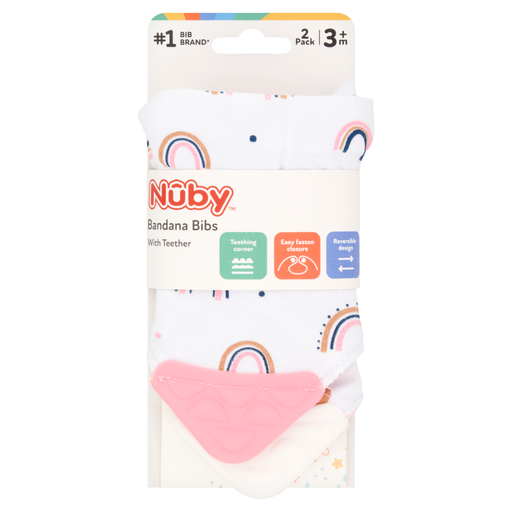
- Why It Stands Out: This bib cleverly combines two essentials into one. It functions as a highly absorbent dribble bib while featuring an attached teether to soothe sore gums, keeping it clean and within baby's reach.
- Pros:
- 2-in-1 Design: A soft, 100% cotton bib with an attached, textured TPE teething corner.
- Highly Absorbent: Effectively soaks up drool to keep your baby's chest dry and comfortable.
- Secure Fit: Features an easy-fasten closure that stays put.
- Reversible: Printed on both sides for added style and wear.
- Who is it for?: Parents with babies from 3 months onwards who are entering the heavy-dribbling and teething phase. It’s a practical solution for everyday wear.
aden + anais Boutique Cotton Muslin Burpy Bibs 2 Pack
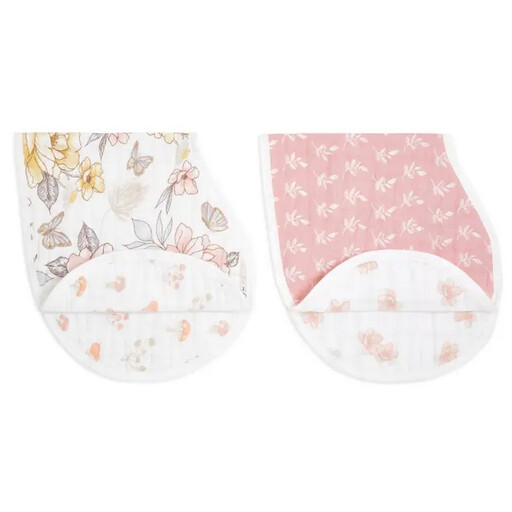
- Why It Stands Out: This product offers exceptional versatility and quality. Its patented shape allows it to be used as a full-coverage bib or a no-slip burp cloth, while its GOTS-certified organic baby bibs material makes it a premium choice for sensitive skin.
- Pros:
- Dual Use: Snaps to become a large bib or drapes over the shoulder as a burp cloth.
- Ultra-Absorbent: Made with 4 layers of 100% organic cotton muslin to handle spills and spit-up.
- Generously Sized: The large, contoured shape provides excellent coverage for both baby and parent.
- Exceptionally Soft: The high-quality muslin is gentle on delicate skin and gets softer with each wash.
- Who is it for?: Parents of newborns and young infants who are looking for a multi-functional, high-quality product that serves as both a bib and a burp cloth.
Tommee Tippee Roll and Go Bib
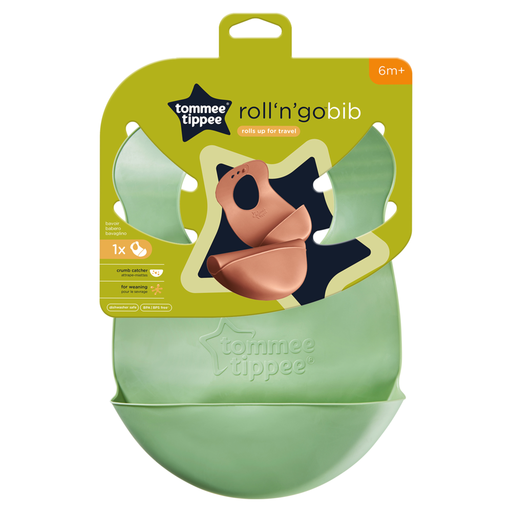
- Why It Stands Out: This is the ultimate practical bib for the weaning stage. Made from a soft, flexible material, it features a deep food-catching pocket and rolls up for clean and easy transport.
- Pros:
- Crumb Catcher: The wide bibs with pocket design is excellent at catching dropped food and liquids.
- Easy to Clean: The waterproof surface can be wiped down or washed in the dishwasher.
- Travel-Friendly: Rolls up neatly, making it perfect for storing in a changing bag for meals on the go.
- Adjustable Comfort: The soft neckband has multiple settings to grow with your baby.
- Who is it for?: Parents of babies aged 6 months and older who are starting solids. It’s an ideal choice for minimising mess during mealtimes, both at home and away.
Looking for More Options?
Every baby's journey through feeding and teething is unique, and sometimes you need a different size, style or feature. If our recommendations aren't quite what you're looking for, or if you need bibs specifically for an older child, there are many more choices available.
Explore our full collection of toddler bibs to find the perfect match for your little one.
Frequently Asked Questions
How many baby bibs do I need?
This depends on your baby's age and your laundry routine. For a teething baby, you might go through 5-10 dribble bibs a day. For weaning, having 2-3 easy-to-clean weaning bibs is often sufficient, as you can wipe them down after each meal. A good starting point is to have a stock of 7-10 fabric bibs and 2-3 waterproof ones.
What is the difference between a dribble bib and a feeding bib?
A dribble bib is typically smaller, made of absorbent fabric like cotton or muslin and designed to be worn for long periods to manage saliva, especially during teething. A feeding bib (or weaning bib) is larger, offers more coverage and is usually made from a waterproof material like silicone to protect clothes from food stains. It's designed for use only during mealtimes.
Are silicone bibs safe for babies?
Yes, bibs made from high-quality, food-grade silicone are considered safe for babies. Reputable brands ensure their products are free from BPA, phthalates and other harmful chemicals. They are durable, hygienic and easy to clean. As with any baby product, always supervise your child during use and check the bib regularly for any signs of wear or damage.


