
24/7 Customer Support

Free returns

Same-day & Next-day Delivery

Quality Guaranteed

Unlock Your Welcome Offers: FREE Delivery | Up to 80% OFF | Free 30-day JoyPlus trial
Download the APP
Keeping your baby’s feeding equipment spotlessly clean is a daily priority for every parent. With so many bottles, teats and pump parts to wash, finding the right tools can make this task simpler, faster and more effective. A good baby bottle brush needs to reach every corner without scratching, be easy to clean itself and be made from safe materials.
Navigating the options can be confusing. Should you choose silicone or nylon bristles? Do you need a full kit or just a single brush? This guide is designed to help you understand the key features to look for and provide our recommendations to help you find a reliable cleaning solution for your family.
Before diving into specific products, here are a few key considerations to help you make an informed choice.
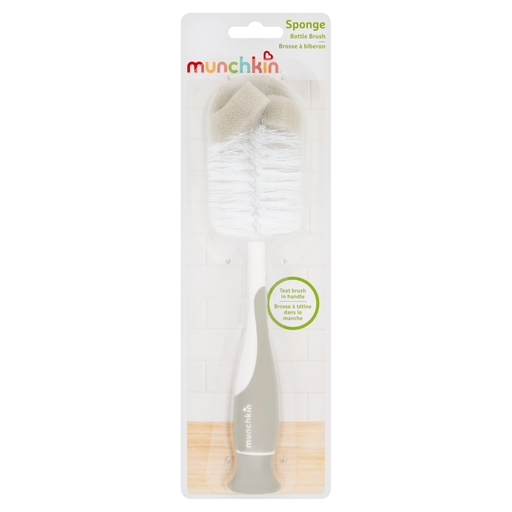
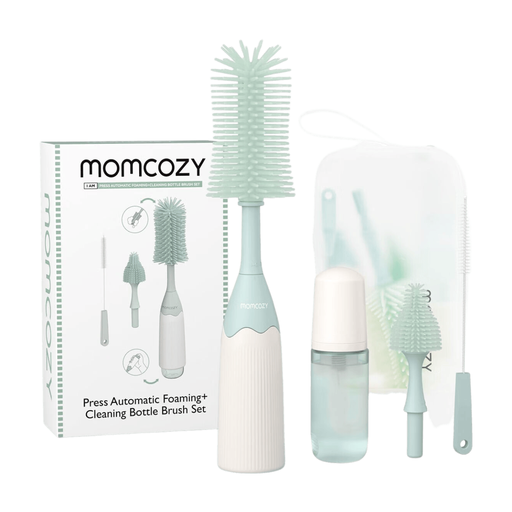
The material of the brush head is a primary point of difference. A silicone bottle brush is non-porous, which means it is less likely to harbour bacteria and is often more durable. The soft, flexible bristles are gentle on glass, plastic and silicone bottles, reducing the risk of scratches. On the other hand, traditional nylon bristles can offer a more vigorous scrub for stubborn, dried-on milk residue. Many modern brushes combine nylon with a sponge tip to ensure a thorough clean.
Consider what you will be cleaning. A simple bottle and teat brush combination, where a smaller brush is stored in the handle of the larger one, is a space-saving and convenient option for daily bottle washing. For parents who use breast pumps or a variety of bottle types, a comprehensive bottle cleaning set might be more practical. These often include brushes for straws, valves and other small components, ensuring no part is overlooked.
Look for brushes made from BPA-free materials to ensure no harmful chemicals come into contact with your baby's feeding items. Features that promote quick drying are also important for hygiene. A bottle brush with a drying rack or a simple stand-up base keeps the bristles off the countertop, allowing them to air dry properly and preventing mould growth. For families on the move, a compact travel bottle brush kit with its own case is an invaluable addition to your changing bag.
Here are some of our top recommendations, selected to meet a range of different needs and preferences.


Finding the right products for your child is an ongoing journey. As they grow and their needs change, so will the items you need. If you're stocking up on supplies for the next stage, you might like to explore our curated collection of toddler paint, perfect for encouraging their budding creativity.
1. How often should you replace a baby bottle brush? It is generally recommended to replace your bottle brush every 30-45 days, or sooner if you notice any signs of wear and tear, such as bent or missing bristles or a deteriorating sponge. Regular replacement helps maintain cleaning effectiveness and hygiene.
2. Is a silicone or nylon bristle brush better? Both have their advantages. Silicone brushes are durable, non-porous and less likely to scratch bottles. They are also easy to sterilise. Nylon bristle brushes can provide a more abrasive scrub, which may be more effective on dried milk, but they may need to be replaced more frequently. The choice often comes down to personal preference and the type of bottles you use.
3. Can you put a baby bottle brush in the dishwasher? This depends on the manufacturer's instructions. Many silicone bottle brushes are top-rack dishwasher safe, which makes for easy sterilisation. However, brushes with nylon bristles or sponges may not be suitable for the dishwasher as high heat can damage them. Always check the product packaging for specific care directions.