
24/7 Customer Support

Free returns

Same-day & Next-day Delivery

Quality Guaranteed

Unlock Your Welcome Offers: FREE Delivery | Up to 80% OFF | Free 30-day JoyPlus trial
Download the APP
Keeping your baby’s feeding equipment spotlessly clean is a top priority for any parent. With so many bottles, teats and pump parts to wash, the right cleaning tools can make a daily chore simpler, faster and more effective. A standard washing-up brush often isn't up to the task; it can be too harsh, miss tight corners and may not be made from the safest materials.
This is where a dedicated baby bottle brush comes in. But with various materials, designs and features on the market, how do you choose the right one? As the Joybuy Product Recommendation Officer, my role is to help you navigate the options. This guide will walk you through key considerations and highlight some practical choices to help you find a cleaning solution that fits your family’s needs.
Choosing the right brush goes beyond just its ability to scrub. Here are a few important factors to consider to ensure a hygienic and convenient clean.
The material of the brush head is a crucial decision. The two most common types are silicone and traditional nylon bristles, often paired with a sponge.
Regardless of the material, always look for a BPA-free bottle brush to ensure no unwanted chemicals come into contact with your baby's feeding items.
A single brush is rarely enough. Milk residue can get trapped in teats, screw rings and anti-colic vents. A comprehensive baby bottle cleaning set is often a more practical investment. Look for kits that include a dedicated bottle and teat brush, often called a nipple brush. This smaller, specially shaped brush is designed to get into the tiny holes and curves of bottle teats, ensuring no milk is left behind. Some sets also include straw cleaners, which are essential for sippy cups and reusable straw bottles as your child grows.
Modern bottle brushes come with features designed to make your life easier. For families on the move, a travel bottle brush set that packs away neatly into a compact case is invaluable. At home, a bottle brush with stand is a simple but brilliant feature. It allows the brush to stand upright on the counter, promoting air circulation for faster, more hygienic drying and keeping the brush head away from surface germs.
Based on features that address common cleaning challenges for UK parents, here are a few standout options to consider.
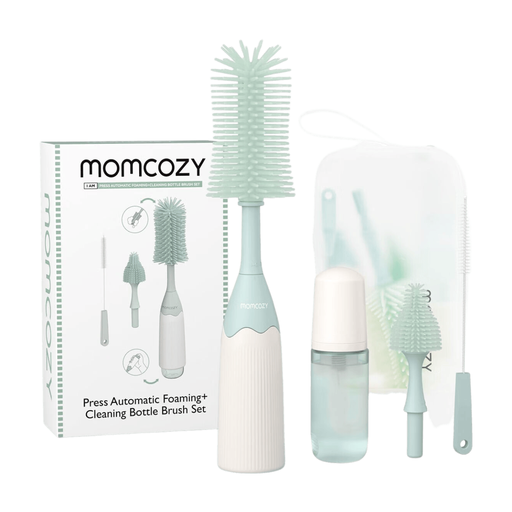

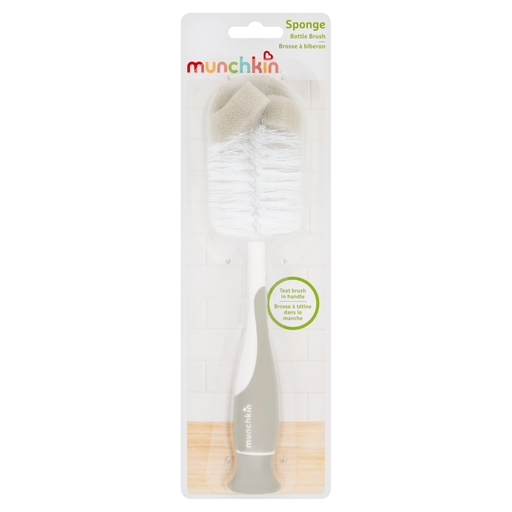
If these recommendations aren't quite what you're looking for, or if you're interested in organising your new cleaning tools, you can explore our wider collection of household storage and organisation solutions to help keep your kitchen and nursery tidy.
Explore Our Range of Home & Baby Care Essentials
For brushes with nylon bristles and sponges, it is generally recommended to replace them every 30-45 days or sooner if the bristles are frayed or the sponge shows signs of wear. Silicone brushes are more durable, but you should still inspect them regularly for any tears or damage and replace them as needed to maintain hygiene.
Neither is definitively "better," as it depends on your preference. A silicone bottle brush is non-scratch, durable and easy to keep sterile. A bristle and sponge brush can provide a more vigorous scrub to remove stubborn residue but may need to be replaced more often. Both are effective when used correctly.
Yes, using a brush specifically designed for baby bottles is highly recommended. They are made from BPA-free materials, shaped to reach all corners of a bottle without scratching the surface and often come as part of a baby bottle cleaning set with a dedicated nipple brush to properly clean teats and other small parts. This ensures a more thorough and hygienic clean than a standard kitchen brush can offer.