
24/7 Customer Support

Free returns

Same-day & Next-day Delivery

Quality Guaranteed
Download the APP
Categories
Welcoming a new baby brings a unique set of joys and responsibilities, and ensuring their feeding equipment is perfectly clean is high on every parent's list. With so many products available, choosing the right tools can feel overwhelming. This guide is designed to cut through the clutter, offering practical advice on selecting the essential items you need to keep bottles, teats and soothers hygienic and safe for your little one.
We will walk through key considerations for building your cleaning toolkit and highlight a few recommended products that offer practical solutions for modern parents.
Selecting the right equipment comes down to understanding your daily routine and the specific features that make the cleaning process safer and more efficient.
Your cleaning needs will vary depending on whether you are at home or out and about. For daily use, a robust home setup is crucial. This typically includes a full-size brush, a dedicated drying area and a steriliser. However, for travel, family visits or even just a day out, a portable bottle cleaning set is invaluable. These compact kits often contain travel-sized brushes, soap dispensers and sometimes even a miniature drying rack, all housed in a convenient case to maintain hygiene on the move.
A standard washing-up brush won't suffice for the unique shape of baby bottles and teats. A purpose-designed bottle brush is essential. Look for brushes with long handles and bristles that can reach every corner without scratching the plastic or glass. Many brushes feature a combination of soft and firm bristles for effective cleaning. A separate, smaller nipple brush is also vital for cleaning inside teats and other small, hard-to-reach areas where milk residue can accumulate. Silicone brushes are a popular choice as they are durable, non-porous and can often be sterilised themselves.
Cleaning removes food residue, but sterilisation is what eliminates harmful bacteria. In the UK, it is recommended to sterilise feeding equipment until your baby is at least 12 months old. While boiling items in a pan of water is a traditional method, electric steam sterilisers offer a more convenient and often quicker solution. For ultimate efficiency, a combined baby bottle steriliser and dryer automates the entire process, leaving items clean, sterile and dry, ready for the next feed. Once sterilised, items should be placed on a dedicated baby bottle drying rack to air dry, preventing them from becoming re-contaminated on a kitchen worktop or with a tea towel.
Here are a few products that address the different needs of parents, from comprehensive home solutions to clever on-the-go kits.
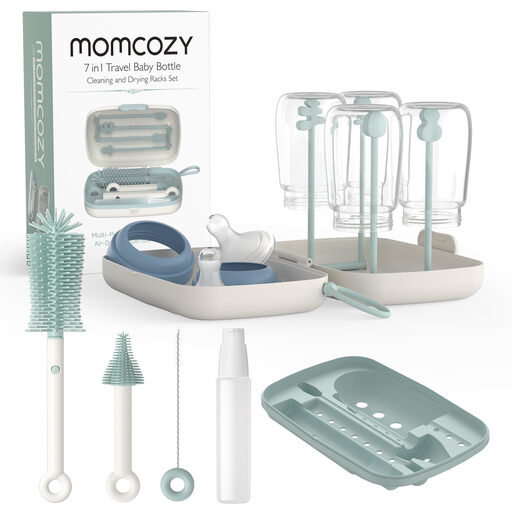
Why It Stands Out: This set is a complete, self-contained cleaning station designed for life on the move. Everything packs neatly into a compact, waterproof case, which cleverly unfolds to become a stable drying rack.
Pros:
Who is it for? Parents who are frequently out and about, travel often or anyone looking for a compact and organised cleaning solution that doesn't clutter the worktop.
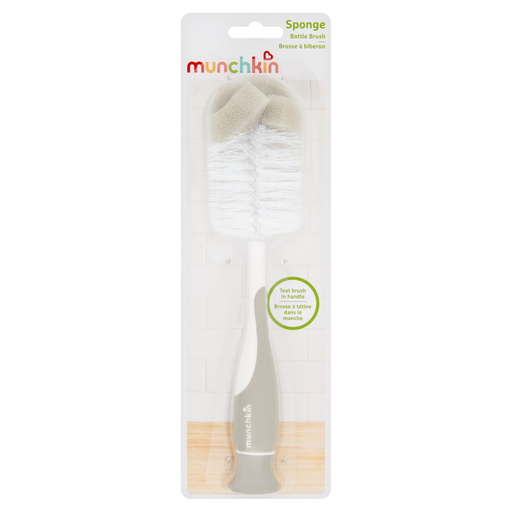
Why It Stands Out: This brush combines simplicity with smart design. Its upright stand keeps the brush head off the worktop, promoting faster drying and better hygiene.
Pros:
Who is it for? Parents seeking a reliable and affordable primary bottle brush for daily cleaning at the kitchen sink.
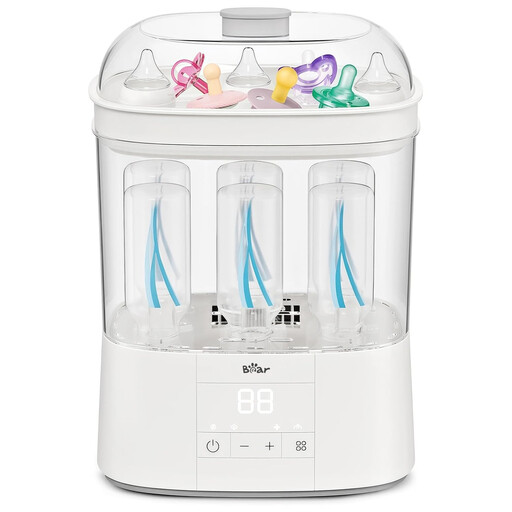
Why It Stands Out: This appliance is a true time-saver, handling sterilising, drying and storage in one automated cycle. The 48-hour sterile storage function is particularly useful for busy parents.
Pros:
Who is it for? Busy parents, especially those with newborns or multiple children, who value efficiency and the convenience of having sterile, dry bottles ready at any time.
These recommendations cover some of the most common needs, but every family is different. If you are looking for a wider variety of brushes, sterilisers or other feeding accessories, you can find more choices in our complete collection.
Explore our full Nursing & Feeding range to find the perfect fit for your family.
According to NHS guidance, you should clean bottles immediately after every feed. It is recommended to sterilise them at least once a day for as long as your baby is using them, and particularly for babies under 12 months, those born prematurely or with a weakened immune system.
Learning how to clean baby bottles properly is simple. First, wash your hands. Disassemble the bottle completely (bottle, teat, ring and cap). Rinse all parts in cold running water. Then, wash everything in hot, soapy water using a dedicated bottle brush and nipple brush. Rinse all soap away thoroughly before moving on to sterilisation. Finally, allow all parts to air dry completely on a clean baby bottle drying rack.
It is not advisable. A dedicated bottle brush is specifically shaped to reach all interior surfaces of a bottle. More importantly, using a separate brush exclusively for baby items prevents the transfer of bacteria from other dishes and food waste, ensuring a more hygienic clean.