Welcoming a new baby brings a long list of things to consider, and ensuring their feeding equipment is hygienic is right at the top. With so many options available, from microwave bags to all-in-one countertop machines, choosing the right baby bottle steriliser can feel overwhelming. This guide is designed to cut through the clutter, offering practical advice to help you find a solution that fits your family’s routine, whether you're at home, at work or on the move.
How to Choose the Right Baby Bottle Steriliser
Before looking at specific models, it helps to understand what features will make your life easier. Here are a few key points to consider based on the needs of UK parents.
1. Match the Method to Your Lifestyle
Your daily routine is the biggest factor. A large, electric steam steriliser might be perfect for your kitchen counter, but it isn't practical for a weekend away.
- For Home Use: If you primarily feed your baby at home, a dedicated countertop unit offers the largest capacity and often includes features like drying and storage. These can be electric steam models or a more advanced UV baby bottle steriliser.
- For Travel and Work: If you’re a working parent who needs to pump, or your family travels frequently, portability is key. Look for compact solutions like microwave steriliser bags or a dedicated travel bottle cleaning set that can be easily packed in a nappy bag.
2. Understand the Sterilisation Technology
Different products use different methods to ensure bottles are hygienic. The two most common in the UK are steam and UV light.
- Steam Sterilisation: This is the traditional method, using hot steam to kill bacteria. It's highly effective and can be done in a standalone electric unit, a microwave-safe container or even with simple steam bags. It’s a chemical-free and trusted process.
- UV Sterilisation: A more modern, water-free approach, UV sterilisers use ultraviolet light to eliminate germs. A key benefit is that items are dry immediately after the cycle, and many units double as sterile storage cabinets, preventing re-contamination.
3. Remember: Cleaning Comes First
Sterilisation is only effective on items that are already clean. Milk residue can harbour bacteria and prevent the steriliser from working properly. It's essential to have a good cleaning routine in place. This involves disassembling all parts—bottles, teats and breast pump components—and washing them thoroughly with hot, soapy water using dedicated brushes. A BPA-free bottle cleaner and brushes designed for teats and straws are fundamental tools for any parent. Knowing how to clean breast pump parts correctly is just as important as sterilising them.
Recommended Baby Bottle Sterilisers
Here are a few recommendations that cater to different needs, from quick on-the-go solutions to comprehensive countertop systems.
Medela Quick Clean Micro-Steam Bags
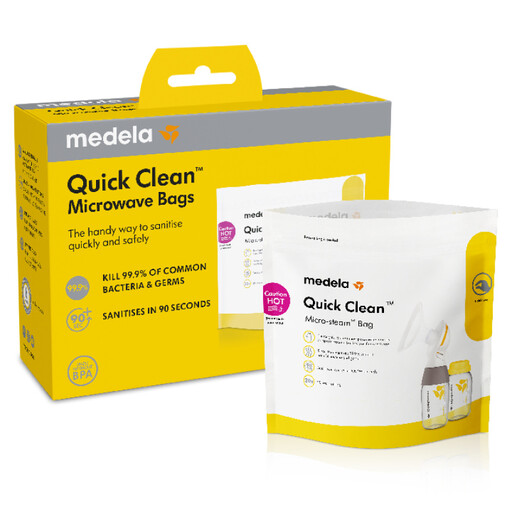
- Why It Stands Out: These bags offer one of the fastest and most convenient ways to steam sterilise. Using just a microwave and a small amount of water, they complete a cycle in as little as 90 seconds. They are a simple, space-saving alternative to a bulky electric steriliser.
- Pros:
- Fast & Effective: Uses steam to eliminate 99.9% of common germs.
- Economical: Each bag can be used up to 20 times, with a handy tracking panel.
- Highly Portable: Lightweight and flat-packing, they are ideal for travel or for use at the office.
- Safe Materials: Made from BPA-free, food-grade materials.
- Who is it for?: Breastfeeding mothers who need to sterilise pump parts at work, families who travel or anyone looking for a quick, reliable backup sterilisation method without occupying counter space.
Momcozy 7-in-1 Portable Bottle Cleaning Brush Set

- Why It Stands Out: This product addresses the first crucial step: cleaning. It’s a complete, self-contained kit that includes everything needed to wash and dry bottles, teats and pump parts on the go. The clever design incorporates a bottle brush, nipple brush, straw cleaner, soap dispenser and a foldable drying rack into one compact, waterproof case.
- Pros:
- All-in-One System: A full cleaning and drying station in a portable case.
- Thoughtful Design: The built-in drying rack is stable and allows for efficient air-drying.
- Hygienic Materials: The brushes are made from soft, food-grade silicone that can be boiled for sterilisation.
- Travel-Ready: Its compact size makes it a perfect companion for holidays and days out.
- Who is it for?: Parents who need a reliable way to wash feeding equipment when away from home. It’s an essential tool to use before sterilising with microwave bags or other portable methods.
GORGENOX Countertop Dishwasher with UV Sterilisation
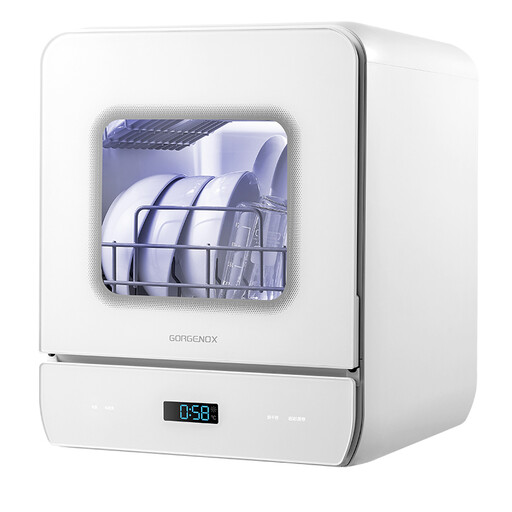
- Why It Stands Out: This is the ultimate automated solution. It’s a countertop bottle washer that goes far beyond a simple steriliser, offering a 4-in-1 cycle: washing, high-temperature disinfecting, UV sterilisation and sterile storage. The dedicated "Baby Care" mode is specifically designed for bottles and dummies.
- Pros:
- Complete 4-in-1 Functionality: Washes, disinfects with 72°C heat, sterilises with UV light and dries with hot air.
- Dual-Action Hygiene: Combines high-temperature steam with UV sterilisation for comprehensive safety.
- Water Softening System: A built-in system helps prevent scale buildup on bottles and parts, which is ideal for hard water areas in the UK.
- Multi-Purpose: Can also be used as a compact dishwasher for a few place settings, making it useful long after the baby has outgrown bottles.
- Who is it for?: Busy parents who want a hands-off, automated system that handles the entire cleaning and sterilising process. It's particularly well-suited for those with limited time or who value the peace of mind offered by a multi-stage hygiene process.
Looking for More Options?
The products highlighted here cover a range of needs, but every family is unique. If you're searching for different types of brushes, storage containers or other cleaning accessories, you may find what you need in our broader collection.
For a wider selection of cleaning and hygiene solutions, explore our full range of toddler cleaning sets.
Frequently Asked Questions
1. How often should I sterilise baby bottles? According to NHS guidance, it is important to sterilise all baby feeding equipment, including bottles and teats, until your baby is at least 12 months old. This should be done after every single use, once the items have been thoroughly washed.
2. Can I use a regular dishwasher to sterilise baby bottles? While some modern dishwashers have a "sanitise" setting that reaches high temperatures, not all do. For guaranteed hygiene, it's recommended to use a method specifically designed for sterilisation, such as boiling, steam or a dedicated UV baby bottle steriliser. A specialised countertop bottle washer like the Gorgenox model is built for this purpose, ensuring the correct temperature and conditions are met.
3. What is the difference between steam and UV sterilisation? Steam sterilisation uses boiling water to create steam (at 100°C) to kill germs, a method that has been trusted for decades. UV sterilisation uses short-wavelength ultraviolet (UVC) light to disrupt the DNA of bacteria and viruses, preventing them from reproducing. The main advantages of UV are that it is a dry process, which can help prevent mould, and many UV units also function as a sterile storage cabinet.
Written by the Joybuy Product Recommendation Officer
Our goal is to help you navigate the market with clear, objective advice, so you can find products that genuinely fit your family's needs.


