
24/7 Customer Support

Free returns

Same-day & Next-day Delivery

Quality Guaranteed
Download the APP
Categories
Welcoming a new baby brings a unique set of joys and responsibilities, and ensuring their feeding equipment is hygienically clean is a top priority. With a little one's immune system still developing, proper sterilisation is a key step in protecting them from germs. However, the market is filled with options, from traditional steam units to modern UV devices.
This guide is designed to help you understand the different types of baby bottle sterilisers available. We will walk you through the key features to consider, helping you find a practical and efficient solution that fits your family's routine.
Making the right choice comes down to understanding your specific needs regarding speed, capacity and functionality. Here are a few points to consider before you decide.
The two primary methods for home sterilisation are steam and ultraviolet (UV) light.
Modern life is busy, and features that save time are invaluable.
Consider how many bottles you will be washing each day.
Here are a few standout options that cater to different needs, from all-in-one convenience to high-tech efficiency.
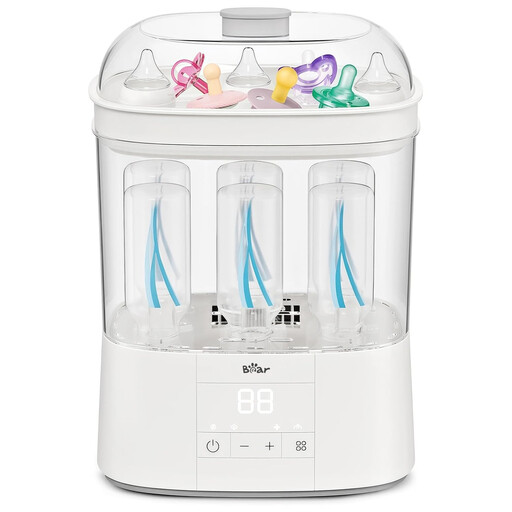
Why It Stands Out: This model is a true workhorse, combining four functions into one unit: sterilise, dry, sterilise-and-dry and storage. It uses natural steam to clean and then dries items with hot air passed through a HEPA filter, which helps prevent secondary contamination. Its standout feature is the 48-hour sterile storage mode, keeping bottles ready for use for up to two days.
Pros:
Who is it for? Parents looking for a comprehensive, set-and-forget solution. Its large capacity and long storage time make it ideal for busy households and excellent as one of the most practical gifts for new parents.
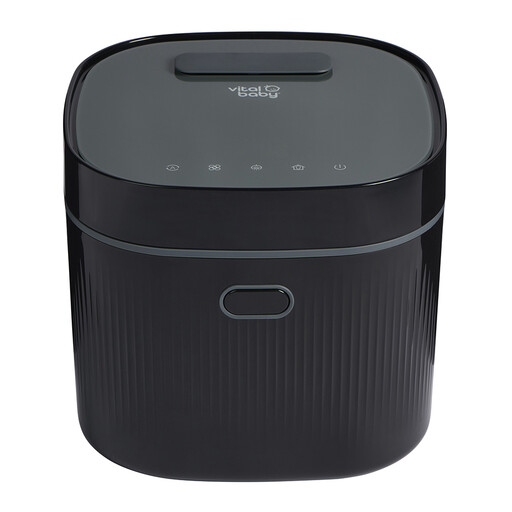
Why It Stands Out: This UV bottle steriliser represents the next step in sterilisation technology. It uses energy-efficient UV-C LEDs to eliminate germs without water or chemicals. Its most impressive feature is its speed and versatility. The "Auto" mode dries and sterilises items in as little as 22 minutes. According to the brand, its UV technology safely destroys 99.99% of bacteria and viruses.
Pros:
Who is it for? Tech-forward parents who prioritise speed, convenience and the flexibility to sterilise a wide range of household items.

Why It Stands Out: For parents who want a straightforward, effective and fast bottle steriliser, this Philips Avent model is a dependable choice. It focuses on doing one job exceptionally well: steam sterilisation. It completes a cycle in just 10 minutes and, with the lid on, keeps items sterile for up to 24 hours. Its slim, modular design also saves valuable counter space.
Pros:
Who is it for? Parents who need a dedicated and fast electric steam steriliser and may already have a separate system for drying. It's a great option for those who value simplicity and efficiency, making it a solid choice for a best bottle steriliser for newborns.
These recommendations cover some of the most popular needs, but every family is different. If you're looking for a different capacity, feature set or price point, there are many other models to explore.
To see a wider selection, you can browse our full collection of sterilisers and find the perfect fit for your home.
1. How often should I sterilise baby bottles? For newborns (especially those under 3 months), premature babies or babies with a weakened immune system, it is generally recommended to sterilise feeding equipment at least once every 24 hours. For older, healthy babies, thorough washing with hot, soapy water after each use may be sufficient, though many parents continue to sterilise for added peace of mind.
2. How do I sterilise baby bottles correctly in a machine? First, wash bottles and teats in warm, soapy water to remove all milk residue, then rinse them thoroughly. Place the items upside down in the steriliser, ensuring they are not overcrowded so that steam or UV light can reach all surfaces. Add the correct amount of water (for steam models) and select your desired cycle. Once complete, you can remove items with clean tongs if you need them immediately.
3. Can I use tap water in an electric steam steriliser? While you can use tap water, most manufacturers recommend using distilled or deionised water. This is because tap water contains minerals that can lead to limescale build-up on the heating plate, reducing the steriliser's efficiency and requiring frequent descaling. Using purified water keeps the machine working optimally for longer.