
24/7 Customer Support

Free returns

Same-day & Next-day Delivery

Quality Guaranteed

Unlock Your Welcome Offers: FREE Delivery | Up to 80% OFF | Free 30-day JoyPlus trial
Download the APP
Preparing for a baby can turn a short shopping list into a trolley full of products. Nappies, wipes, bottles, towels, carriers and grooming tools all promise convenience, but a larger pack or a longer feature list does not automatically make an item suitable for your routine.
This guide from the Joybuy Product Recommendation Officer focuses on practical baby care essentials for UK households, with attention to skin sensitivity, correct sizing, cleaning, storage and everyday value.
A bulk pack of baby nappies or wipes may appear economical, but newborns can outgrow a nappy size quickly. A large wipe bundle can also dry out if packs are opened faster than they are used. Check the recommended age or size, pack format and storage guidance before comparing the price per item.
Words such as soft, natural and sensitive-skin friendly are useful starting points, not a substitute for checking the details. Look for the actual material, fragrance information, ingredient list, closure design and usage warnings. For sensitive baby wipes, fragrance-free and alcohol-free options may be preferable for some families, but any product can cause irritation for an individual child.
Self-sterilising baby bottles can be convenient if you have a suitable microwave and follow the stated water volume and heating time. They may be less useful if you already own a preferred sterilising system. Similarly, an elaborate baby care kit can save storage space, but only if you will use its thermometer, nail file or nasal aspirator safely and regularly.
Newborn baby products should fit securely without pressing into the tummy or leaving gaps around the legs. Check the manufacturer’s size guidance rather than relying only on age. Useful design details can include a contoured navel-friendly shape, stretchy fastening tabs, breathable materials and a wetness indicator.
The Pampers New Baby Premium Protection Nappies Size 0 24Pack lists a DermaComfort layer, a navel-friendly shape and a wetness indicator that turns blue when it may be time for a change. The product information also states that it is made with cellulose, super absorbent polymer and polypropylene, and is free from natural rubber latex and elemental chlorine bleaching. Always check the nappy after fitting: leg cuffs should be pulled out rather than folded in.
For newborns and babies with delicate skin, compare the ingredient list, fragrance status and wipe material. Plastic-free baby wipes may use plant-derived or regenerated cellulose fibres, but “biodegradable” does not mean they should be flushed. Used wipes belong in household waste because they can contribute to blocked pipes.
Resealable lids and individually sealed packs are practical for nappy bags, nursery runs and travel. Close each pack promptly to preserve moisture, and stop using wipes if redness or discomfort develops. Water-based wipes, cotton wool and warm water can also be useful alternatives, particularly during the early weeks.
When choosing baby bottles, confirm the capacity, teat flow and minimum age. Anti-colic bottles commonly use a vented teat or base to manage airflow, but feeding results differ between babies. Inspect teats before every use and replace them when damaged or weakened.
For baby carriers, check the stated weight range and carrying positions. The baby’s face should remain visible, the airway clear and all buckles securely fastened. Look for an adjustable design that supports an ergonomic M-position, with the knees higher than the bottom where the instructions specify this arrangement. Read the full fitting guidance before using a carrier outdoors.
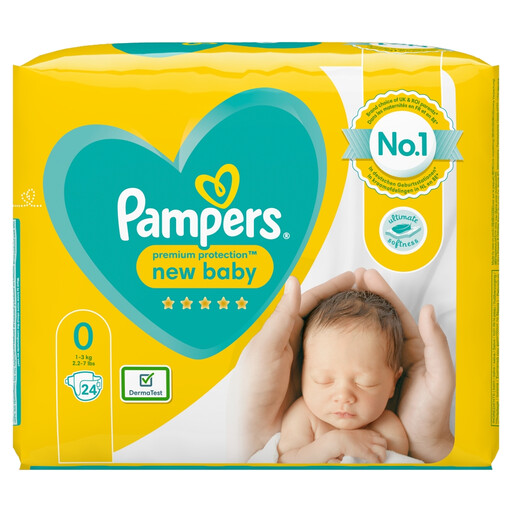
Why This Fits Their Persona: A smaller 24-pack allows first-time parents to check the fit before committing to a larger supply, which is practical when a newborn’s size changes quickly.
The listed wetness indicator and navel-friendly shape provide useful fit and changing cues instead of relying on pack size or vague softness claims alone.
Size 0 format; stretchy fastening tabs; materials listed as latex-free and free from elemental chlorine bleaching.
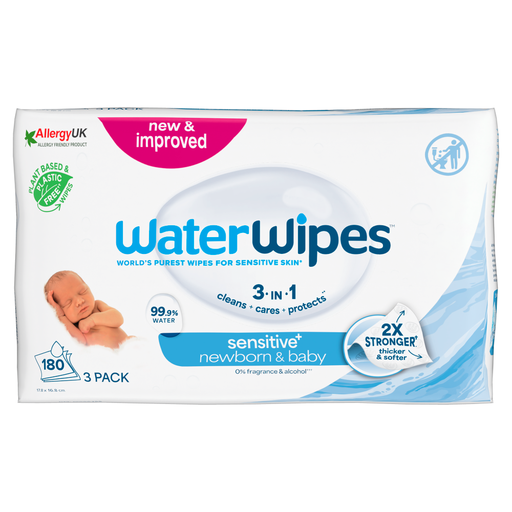
Why This Fits Their Persona: Parents prioritising a short ingredient list may value the stated two-ingredient formula and separate 60-wipe packs for home and changing bags.
The product description clearly identifies the wipe formula and states that the wipe material is plastic-free, helping shoppers distinguish fibre claims from packaging claims.
99.9% purified water and grapefruit seed extract listed; 180 wipes split across three packs; resealable lids.
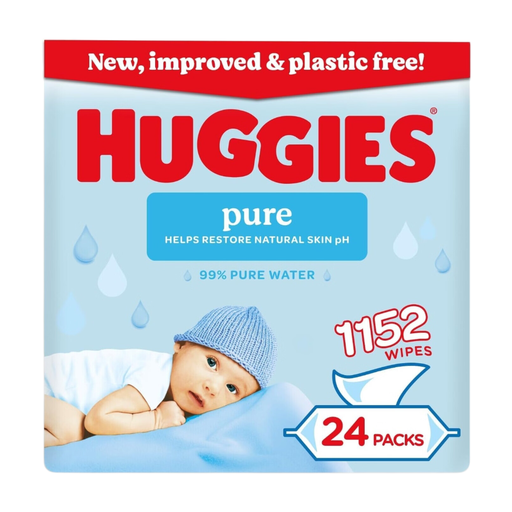
Why This Fits Their Persona: The 24-pack format suits households managing frequent nappy changes, mealtimes and nursery clean-ups, provided there is dry storage space.
The total quantity is stated clearly as 1,152 wipes, while resealable packaging helps reduce waste from packs drying out before use.
99% pure water formula; naturally derived, plastic-free wipe fibres; fragrance-free format suitable from birth according to the listing.
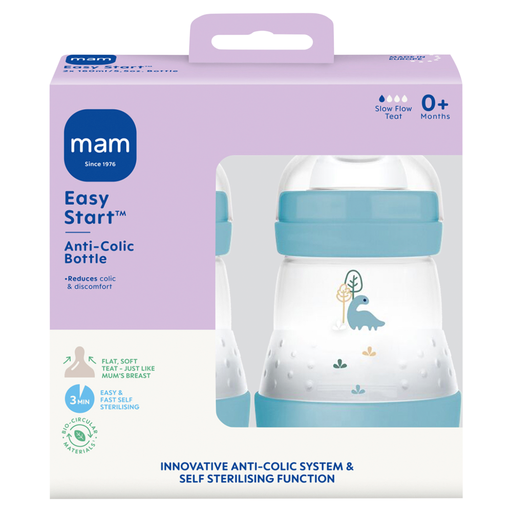
Why This Fits Their Persona: A two-bottle starter set offers a manageable way to begin feeding, with a 160ml capacity suited to the product’s stated 0+ months positioning.
The anti-colic base and self-sterilising instructions are specific features; they should still be used exactly as directed rather than treated as a guarantee of feeding outcomes.
Vented base; microwave self-sterilising method using 20ml of water and three minutes; BPA- and BPS-free bottle components listed.
We have compiled a complete, real-time list of products that fully satisfy these strict selection criteria and UK safety regulations.
Start with a small supply of correctly sized baby nappies, fragrance-free or otherwise suitable wipes, cotton towels, clothing and a safe changing surface. If bottle feeding or combination feeding, add a few bottles rather than buying a large set before you know which teat and flow suit your baby. A baby carrier, grooming kit and nasal aspirator can be added according to your routine.
Disposable products last according to usage and storage conditions. Keep wipes sealed and use them before they dry out or pass the stated date. Nappies should be stored in a cool, dry place. Reusable cotton towels can remain useful as your child grows if they stay absorbent and undamaged. Bottles and teats require regular inspection; replace teats at the intervals stated by the manufacturer or sooner if they show wear.
No. Plastic-free baby wipes should still be placed in household waste unless your local water provider explicitly states otherwise for that exact product. In the UK, the practical choice is to keep a lidded bin near the changing area and avoid putting wipes down the toilet.