
24/7 Customer Support

Free returns

Same-day & Next-day Delivery

Quality Guaranteed

Unlock Your Welcome Offers: FREE Delivery | Up to 80% OFF | Free 30-day JoyPlus trial
Download the APP
Preparing for a newborn can involve a long list of purchases, from nappies and baby wipes to feeding accessories, baby carriers and bathing support. The challenge is knowing which features genuinely improve daily routines and which simply add marketing appeal.
This guide focuses on practical checks for choosing baby care essentials, with options for newborns, infants and toddlers.
A large multipack may appear economical, but babies grow quickly and products may not suit your household. Size 0 nappies, for example, can become unsuitable within a short period. Similarly, a bulk pack of baby wipes is only useful if the formula, texture and closure suit your baby’s skin.
Check:
Natural rubber latex, plant-based fibres and botanical extracts can be useful material choices, but “natural” does not automatically mean suitable for every baby. Latex may cause sensitivity, while fragrance and plant extracts can be unsuitable for some children.
Read the complete materials and ingredients list, particularly when buying sensitive skin baby care products. Stop using an item if redness, irritation or discomfort develops.
Some baby products need more maintenance than expected. Natural rubber soothers should not be cleaned in a dishwasher or microwave steriliser, while bottles need to be disassembled and cleaned thoroughly after every feed. A product that is difficult to maintain may become inconvenient despite an attractive design.
Before buying, check the instructions for:
Age labels are only one part of product suitability. Nappies are generally selected by weight and fit, while carriers require careful attention to the minimum and maximum weight range. A carrier listed for babies from 3.2kg to 20kg must still be adjusted correctly at every stage.
For feeding products, check teat flow. Slow-flow teats are commonly intended for younger babies, while larger bottles may include medium-flow teats for older infants. Always follow the manufacturer’s guidance rather than changing flow simply because a bottle has a larger capacity.
For newborn baby products, look for clear material information. Useful examples include:
Eco-friendly baby products can reduce plastic use, but disposable wipes should still be placed in household waste. Even products described as biodegradable or flushable should not be flushed unless local water and waste guidance specifically allows it.
Consider where each item will be used. A compact baby grooming kit may suit a changing bag, while a 12-pack of wipes needs dry, accessible storage. For bathing products, confirm compatibility with your bath and check the maximum weight limit.
A product with a resealable lid, dishwasher-safe parts or a portable case may offer more useful convenience than a feature that is rarely used.

Why This Fits Their Persona: A manageable starter pack for parents who want to check fit before committing to a larger nappy bundle. The size guidance is aimed at newborn use.
It provides a smaller pack rather than forcing a large purchase before you know whether the fit works for your baby.
Features a navel-friendly shape, wetness indicator and absorbent layer designed to draw moisture away from the surface.
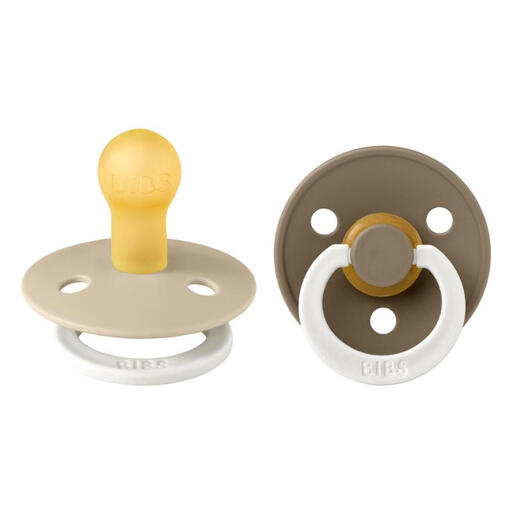
Why This Fits Their Persona: Suitable for parents who value material detail, a two-pack format and a practical night-time feature in the nursery.
The materials and cleaning limits are clearly stated, helping buyers avoid treating a natural latex soother like a dishwasher-safe silicone product.
Includes 100% natural rubber latex teats, outward-curved shields and glow-in-the-dark handles. Inspect regularly and replace as directed.
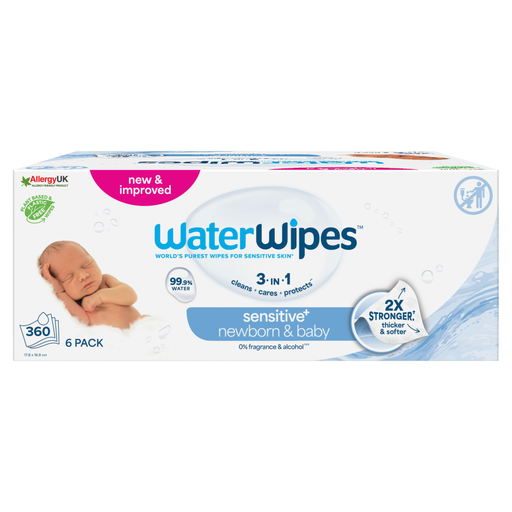
Why This Fits Their Persona: A bulk format for families managing frequent nappy changes, nursery bags, travel and everyday clean-ups.
The pack quantity is clear, while the unscented formula avoids paying for fragrance that some families prefer to avoid.
Contains 99.9% purified water and grapefruit seed extract, with plant-based wipe material and no added fragrance or alcohol.
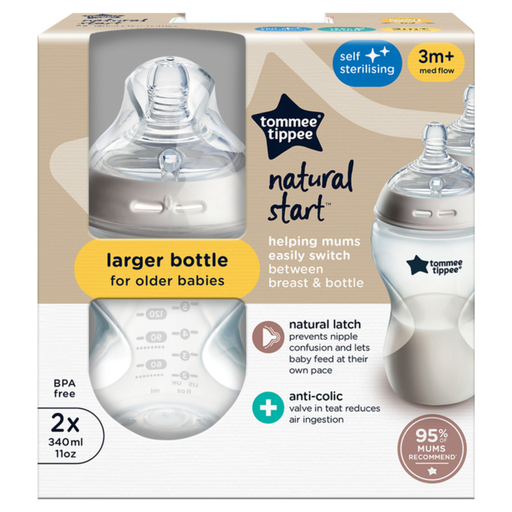
Why This Fits Their Persona: Designed for families using larger feeds and wanting fewer separate sterilising appliances when a compatible microwave is available.
The self-sterilising method has specific water, microwave and cooling instructions, so buyers can assess whether it fits their kitchen routine.
Two 340ml BPA-, BPS- and phthalate-free bottles with silicone teats, an integrated valve and a stated three-minute microwave sterilising method.
We have compiled a complete, real-time list of products that fully satisfy these strict selection criteria and UK safety regulations.
For bathing, the Shnuggle Newborn Support Pebble provides contoured support with a water-level indicator. It still requires constant adult supervision and should only be used within its stated age and weight limits.
For carrying, check that the baby’s face remains visible, the airway is clear and the legs sit in the recommended ergonomic position. The Momcozy Baby Carrier lists a 3–20kg range and adjustable carrying positions.
Families choosing infant formula should follow advice from a midwife, health visitor, pharmacist or other qualified childcare professional. Ready-to-feed options such as Kendamil Ready To Feed 1 From Birth 250ml and Aptamil 1 First Infant Milk Formula 0-6 Months 200ml require careful storage, preparation and disposal according to the label.
Start with nappies, cotton wool or suitable baby wipes, changing supplies, several muslin cloths, clothing, feeding equipment if required and a safe sleeping arrangement. Add a baby carrier, bathing support or baby grooming kit according to your routine rather than buying every available accessory immediately.
Inspect them before every use. Replace a soother at the first sign of damage or weakness and follow the manufacturer’s recommended interval. Bottle teats should also be replaced when worn, damaged, sticky or cracked. Some manufacturers provide a suggested replacement period, but condition is the practical deciding factor.
Not necessarily. Compare the cost per use, pack size and replacement frequency. Reusable bibs and bottles may reduce repeat purchases, while plant-based wipes can cost more per pack but may suit families prioritising reduced plastic use. Keep disposable wipes out of the toilet and dispose of them in household waste.