
24/7 Customer Support

Free returns

Same-day & Next-day Delivery

Quality Guaranteed

Unlock Your Welcome Offers: FREE Delivery | Up to 80% OFF | Free 30-day JoyPlus trial
Download the APP
As a parent, navigating the world of baby care products can feel overwhelming. Shelves are filled with brightly coloured bottles, all promising the gentlest, safest and most effective care for your little one. But with so much marketing jargon, it's easy to fall into common purchasing traps that leave you with unsuitable products and a lighter wallet.
My role as Joybuy's Product Recommendation Officer is to help you cut through the hype. Let's look at the most frequent pitfalls UK parents encounter and how to sidestep them.
To make an informed choice, focus on a few core parameters rather than marketing slogans. Understanding these will empower you to select products that are genuinely right for your child's needs.
A baby's skin is thinner and more permeable than an adult's, making it more susceptible to irritation. When checking the ingredients, be mindful of:
cruelty-free baby product, while The Vegan Society logo confirms it contains no animal-derived ingredients.natural baby skincare and baby products for sensitive skin.Not all baby skin is the same. If your child has particularly sensitive skin or is prone to conditions like eczema, this is a critical factor.
hypoallergenic baby wash or lotion is formulated to minimise the risk of allergic reactions. While not a 100% guarantee against reaction, it means the product avoids common allergens.Instead of a one-size-fits-all list, we've matched some standout products to the specific needs of UK families.

Why This Fits Their Persona: This parent needs the gentlest, simplest products for their newborn's first baths. They prioritise safety, minimal ingredients and formulas suitable for the most delicate skin, including those who may be prone to eczema.
It's a 2-in-1 hair and body wash, avoiding the multi-product trap. It is also sulphate-free and dermatologist-approved for sensitive skin, cutting through the "natural" illusion with genuine gentleness.
Formulated with 96% natural origin ingredients, including soothing aloe vera and cucumber. It's a tear-free, paediatrician-approved choice for newborns.
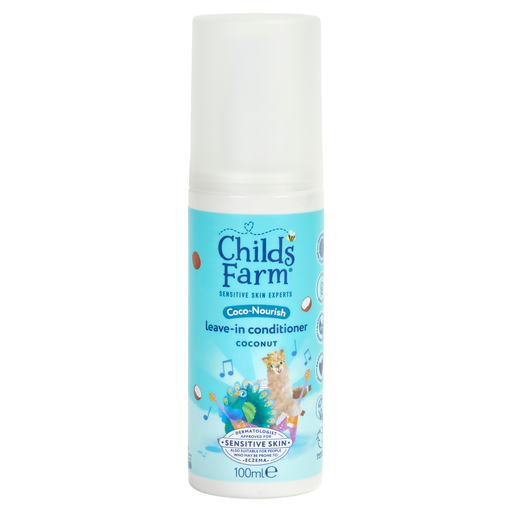
Why This Fits Their Persona: This parent is dealing with a toddler or child with curly, coily or easily tangled hair. Brushing is a daily struggle, and they need a product that makes hair more manageable, whether wet or dry.
This is a targeted solution for a genuine problem, not an unnecessary extra. It's a practical `toddler hair detangler` that works on wet or dry hair, simplifying the routine rather than complicating it.
Specifically designed as a `kids conditioner for curly hair`, it uses a nourishing blend of coconut, shea and baobab oils to define curls and smooth hair without weighing it down.
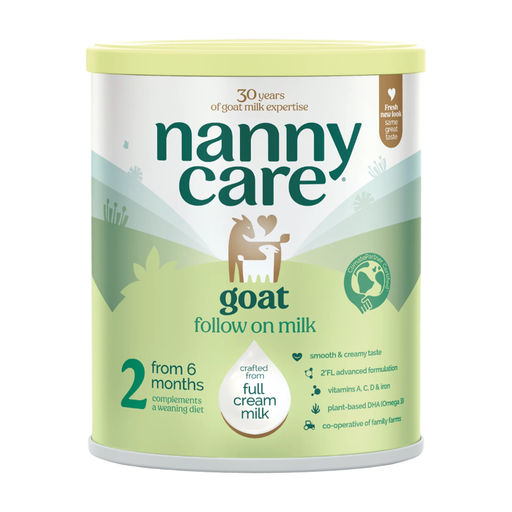
Why This Fits Their Persona: This family is exploring alternatives to cow's milk-based formulas for their baby (6-12 months), perhaps due to a suspected sensitivity or a preference for different protein sources. They are looking for a reputable `goat milk formula UK` brand.
This product avoids marketing hype by focusing on its core composition: a goat milk base. It provides a clear, regulated nutritional alternative, not a cosmetic promise, for parents making an informed dietary choice.
Made from high-quality New Zealand goat milk, it is fortified with Vitamin D, Iron and DHA (Omega-3). It's designed to be gentle on the tummy as part of a varied weaning diet.
We have compiled a complete, real-time list of products that fully satisfy these strict selection criteria and UK safety regulations.
Not necessarily. The term "natural" is not legally defined in the UK cosmetics industry. A product can be labelled "natural" while still containing potential irritants. It is more reliable to check for specific certifications (like Leaping Bunny for cruelty-free), look for a short ingredients list, and choose products that are explicitly free from sulphates, parabens and phthalates. Always perform a patch test before using a new product, especially if your child has sensitive skin.
For newborns, a full bath 2-3 times a week is generally sufficient to avoid drying out their delicate skin. On other days, a "top and tail" wash with a soft cloth and warm water for their face, neck, hands and nappy area is enough to keep them clean. As they get older and more mobile, you may find daily baths become part of a calming bedtime routine.
There is no fixed age, but it's wise to stick with a gentle tear-free baby wash or gentle baby shampoo throughout the toddler years. A child's scalp and hair are still developing. Around the age of 5 or 6, or when you notice their hair becoming thicker or oilier, you can consider transitioning to a mild children's shampoo. Avoid adult shampoos, which can be too harsh for their scalp.