
24/7 全天候客户支持

免费退货

当日/次日达

品质保障

开启新人专享福利: 全场免邮 | 低至 2 折 | 免费试用 30 天 JoyPlus 会员
下载 Joybuy
Choosing baby care products can feel surprisingly complicated. Labels often highlight words such as “natural”, “sensitive” or “dermatologically tested”, but these descriptions do not automatically make a product suitable for every child. The more useful approach is to check age guidance, ingredients, application instructions and the type of care required.
From baby skincare and bath products to children’s toothpaste and sun protection, the following guide highlights common buying traps and practical details to check before adding products to your basket.
Plant oils, botanical extracts and fragrances can still cause irritation for some children. A product labelled natural may contain perfume allergens or essential oils, while a fragrance-free moisturiser may be a more appropriate choice for sensitive skin.
Always read the full ingredient list, particularly when buying for a newborn or a child with eczema-prone skin. Consider starting with a small amount on an inconspicuous area and stop using the product if irritation occurs.
A daily nappy barrier ointment is designed to help shield clean, dry skin from moisture and friction. It is not necessarily suitable for treating pronounced or persistent nappy rash. Similarly, a general baby moisturiser is intended for routine hydration rather than replacing advice from a GP, pharmacist or health visitor.
Look for clear instructions stating whether a product is for daily protection, cleansing or targeted care. Seek medical advice if a rash worsens, spreads or does not improve.
Water-resistant sunscreen still needs generous application and frequent reapplication, especially after swimming, sweating or towelling. Sunscreen should not be the only form of protection: babies and young children should also have shade, protective clothing and limited exposure to strong sunlight.
Check the minimum age carefully. For example, the NIVEA Babies & Kids Sensitive Protect Spray SPF 50+ is listed for children aged 6+ months, while the product guidance also advises keeping infants out of direct sunlight.
“Suitable from birth” should be checked against the exact product instructions, not assumed across a whole range. A baby shampoo, bubble bath or moisturiser may be suitable from 0+ months, while children’s toothpaste and baby sunscreen often have different age requirements.
Also confirm whether the item is intended for:
For oral care, follow the age-based amount on the packaging. A toothpaste for 0–36 months may specify a smear, while a product for children aged 3–6 may specify a pea-sized amount.
There is no single ingredient list that suits every family, but several checks are practical:
Marketing terms are less useful than the complete ingredients list and directions for use.
For baby sunscreen SPF 50+, check both the SPF rating and UVA protection information. Apply generously before exposure, reapply frequently and do not spray directly onto a child’s face. Spray products should generally be dispensed into an adult’s hands first to reduce inhalation risk.
For children’s toothpaste, check the fluoride concentration and age recommendation. The products below include options with 1,000 ppm or 1,450 ppm fluoride. Supervise brushing and follow the label, particularly for children who may swallow toothpaste or receive fluoride from another source.
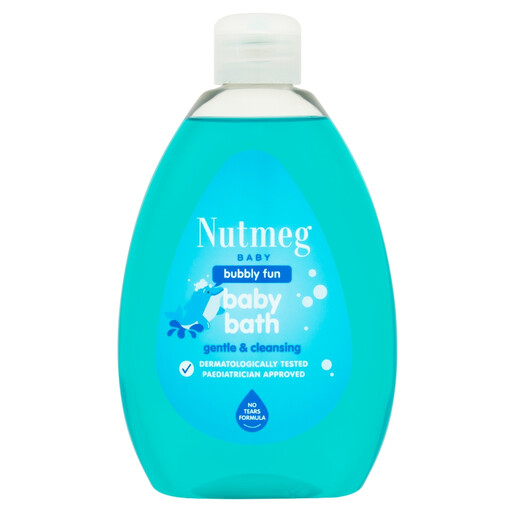
Why This Fits Their Persona: A straightforward option for families setting up a basic bath-time routine without buying several specialised products. It is listed as suitable from 0+ months and can be added to warm running water.
The product description identifies a soap-free, tear-free formula and gives clear external-use warnings, making the intended use easier to understand than vague “all-purpose” claims.
500ml size, vegan formulation and recyclable packaging. It is made in the United Kingdom and listed as dermatologically tested.
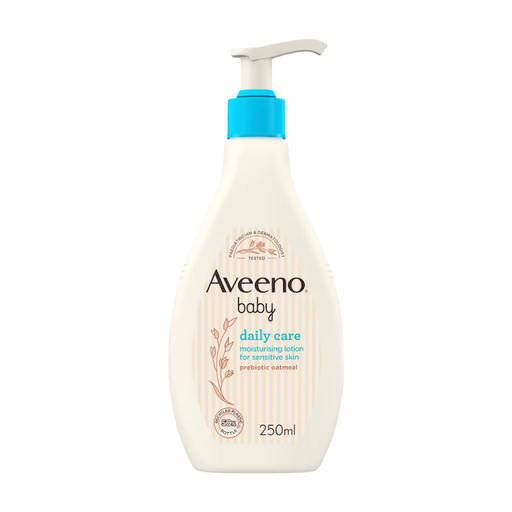
Why This Fits Their Persona: Suits parents seeking a daily baby moisturiser with a streamlined, unscented formula for face and body, including routines after bathing.
It is described as unscented, dye-free and pH-balanced, so shoppers can identify specific formulation details rather than relying only on a “gentle” label.
Contains colloidal oatmeal and glycerine. The 250ml bottle uses 50% recycled plastic and is listed as recyclable.
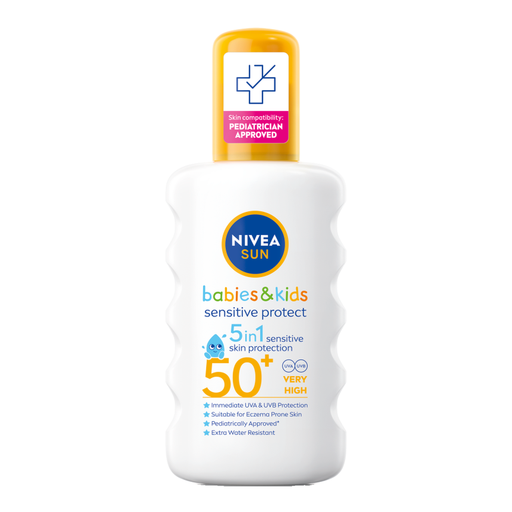
Why This Fits Their Persona: A practical choice for active children who spend time outdoors, including family days at the park, beach or swimming pool.
The directions specify generous application, reapplication after swimming or towelling and dispensing into palms rather than spraying directly onto the face.
SPF 50+, fragrance-free formula and water-resistant design. It is listed for children aged 6+ months.
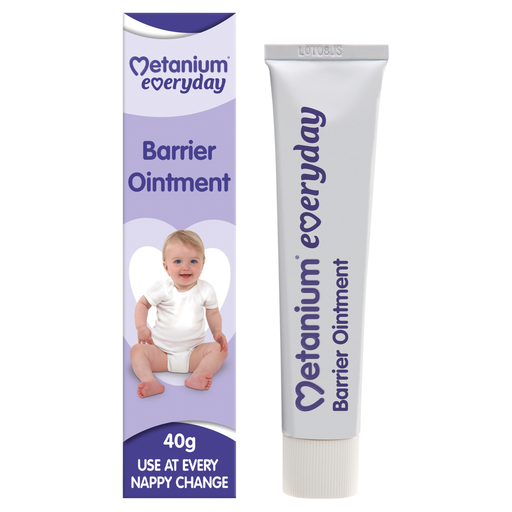
Why This Fits Their Persona: Designed for parents who want a compact everyday barrier ointment for changing bags, nursery routines and use from birth onwards.
The product is clearly described as a preventative daily barrier, not a treatment for active nappy rash. Its fragrance-free, colour-free and lanolin-free formula also makes the specification easy to compare.
Suitable from birth, vegan-friendly and made with physical barrier ingredients including titanium dioxide and petrolatum.
We have compiled a complete, real-time list of products that fully satisfy these strict selection criteria and UK safety regulations.
A practical starting list usually includes a gentle cleanser or baby bath, fragrance-free baby moisturiser if needed, nappies and a daily barrier ointment, soft washcloths, a suitable thermometer and age-appropriate oral-care items when teeth appear. Avoid buying large quantities before checking how your baby responds to each formula.
Cleansers are generally used during bathing rather than at every nappy change. Moisturiser can be applied to clean skin according to the label, while barrier ointment is used on clean, dry nappy-area skin as directed. Do not apply products to broken or irritated skin unless the instructions or a healthcare professional recommend it.
Compare the price per 100ml or per use rather than the ticket price alone. Larger bottles may offer better value for frequently used baby shampoo or bubble bath, while smaller tubes can be more convenient for a changing bag. Buying several fragranced products is not always economical if your child needs sensitive skin baby products, so prioritise the formula and age suitability first.