
24/7 全天候客户支持

免费退货

当日/次日达

品质保障

开启新人专享福利: 全场免邮 | 低至 2 折 | 免费试用 30 天 JoyPlus 会员
下载 Joybuy
Choosing baby care products can feel surprisingly complicated. Shelves and online listings are filled with phrases such as “natural”, “gentle”, “hypoallergenic” and “clinically tested”, but these descriptions do not always tell you whether a product suits your child’s age, routine or skin type.
As the Joybuy Product Recommendation Officer, I focus on the details that make a product practical: clear age guidance, relevant ingredients, ease of use and sensible safety information. This guide covers baby skincare, bathing, haircare, oral care, nappy protection and sun protection for UK families.
A high percentage of natural-origin ingredients may sound reassuring, but babies can still react to fragrance, essential oils or botanical extracts. A vegan or cruelty-free formula is an ethical preference, not a guarantee that it will suit sensitive baby skin.
For newborn care essentials, check the full ingredient list and consider fragrance-free products where your child is prone to dryness or irritation. Introduce one new product at a time so you can identify the cause if a reaction occurs.
A tear-free baby shampoo or bath product is designed to make washing more comfortable, but it should still be kept away from the eyes. Check the directions, rinse thoroughly and supervise bath time. Bubble bath can also be unnecessary for very young babies if a simple cleanser meets your needs.
Baby sunscreen SPF 50 offers high protection when applied generously and reapplied correctly, but no sunscreen blocks all UV radiation. Babies and young children should be kept out of direct sunlight, particularly during intense midday sunshine, and should also wear suitable clothing and a hat.
A spray format can be convenient, but spray it into an adult’s hands first rather than directly onto a child’s face.
The age statement is one of the most important specifications. Products in this guide include options marked from 0+ months, while some sunscreens and toothpastes are intended for older children.
Do not assume that a product suitable for a toddler is appropriate for a newborn. Check whether it is designed for:
For persistent redness, cracked skin or suspected eczema, ask a GP, health visitor, pharmacist or other qualified healthcare professional for advice rather than relying on a cosmetic product alone.
For sensitive baby skincare, compare the ingredients rather than relying only on front-of-pack claims. Fragrance-free moisturisers can be a practical choice for dry or reactive skin. Barrier ointments may contain ingredients such as petrolatum, lanolin, panthenol or zinc oxide, each offering a different texture and application experience.
If you are looking for vegan baby products, verify the product’s specific certification. “Made to a vegan formulation” may differ from a fully certified vegan product. The same applies to cruelty-free baby products: look for recognised certification where this matters to your household.
For children’s sunscreen, check for:
For baby toothpaste, age and fluoride level should be considered together. The products below include a 1,000 ppm fluoride toothpaste for ages 0–36 months and a 1,450 ppm fluoride toothpaste for children aged three and above. Use only the amount stated on the packaging and supervise brushing.
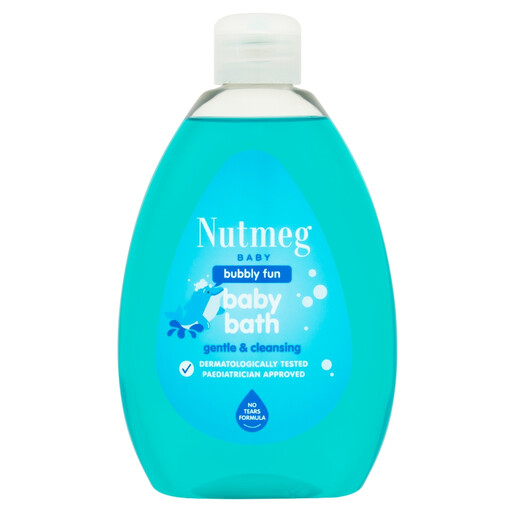
Why This Fits Their Persona: The 500ml format is practical for families setting up a basic bath-time routine and wanting a UK-made option marked suitable from birth.
The listing identifies a tear-free, soap-free formula and gives clear directions instead of relying only on broad “natural” language.
500ml size; vegan formulation; certified by Cruelty-Free International according to the product information.
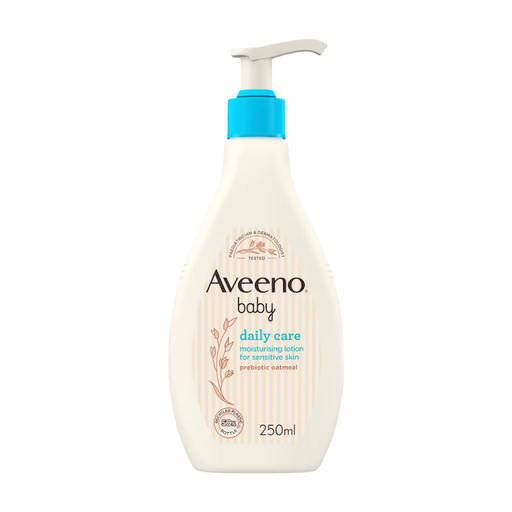
Why This Fits Their Persona: Families wanting an unscented daily lotion with a lightweight texture may appreciate its pump-style bottle and newborn suitability.
It is labelled pH-balanced, unscented and dye-free, helping shoppers avoid choosing a fragranced lotion solely for its scent.
Contains colloidal oatmeal and allantoin; bottle made with 50% recycled plastic and described as recyclable.
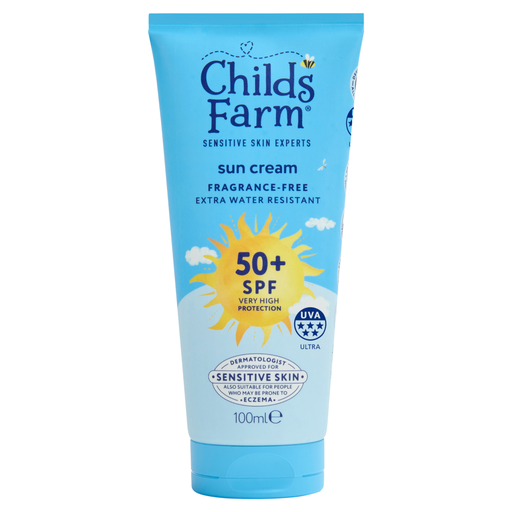
Why This Fits Their Persona: A compact option for changing bags, holidays and family days outdoors, with product information stating suitability from birth.
The listing states SPF 50+, five-star UVA protection, broad-spectrum coverage and reapplication guidance rather than presenting SPF alone as complete sun safety.
Fragrance-free; extra water-resistant formula; vegan-friendly and Leaping Bunny certified according to the listing.
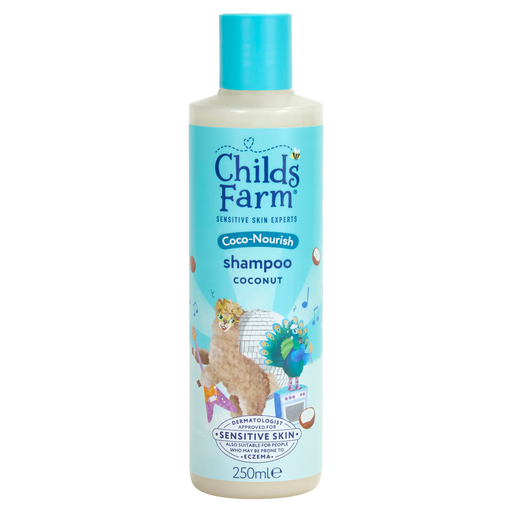
Why This Fits Their Persona: It is designed for dry, curly, wavy and coily hair, making it a focused choice for children whose hair needs more than a general wash.
The intended hair types are clearly stated, helping buyers avoid paying for a generic baby shampoo that may not suit curls or coils.
Tear-free, quick-rinse formula; contains coconut water and is made with 97% natural-origin ingredients according to the product information.
We have compiled a complete, real-time list of products that fully satisfy these strict selection criteria and UK safety regulations.
A complete routine may also include a suitable baby conditioner, nappy rash cream, baby toothpaste and body moisturiser. For nappy care, compare everyday barrier products such as Bepanthen Nappy Care Ointment or Metanium Everyday Barrier Ointment with products intended for specific skin concerns. For oral care, check fluoride concentration and age guidance carefully.
A conditioner such as Childs Farm Strawberry & Mint Conditioner is marked suitable from 0+ months and includes a silicone-free, quick-rinse formula. However, fragrance and individual ingredients still matter, particularly for sensitive baby skin.
A simple starting routine usually needs a gentle cleanser, an appropriate moisturiser if required, nappy-care protection, a soft towel and a baby toothbrush once teeth appear. Add shampoo, conditioner or baby sunscreen SPF 50 according to your child’s hair, age and activities.
Check the packaging for the open-jar symbol, which indicates the recommended period after opening. Store products as directed, close caps securely and avoid sharing creams or applicators. Discard anything that changes smell, colour or texture before the stated period.