
24/7 Customer Support

Free returns

Same-day & Next-day Delivery

Quality Guaranteed

Unlock Your Welcome Offers: FREE Delivery | Up to 80% OFF | Free 30-day JoyPlus trial
Download the APP
As a new parent, regaining the use of your hands can feel like a superpower. A baby carrier promises just that: a way to keep your little one close and secure while you navigate daily life. However, the market is flooded with options, and it's easy to fall into common purchasing traps that leave you with an uncomfortable or even unused carrier.
My role as a Joybuy Product Recommendation Officer is to help you sidestep the marketing hype. Before you buy, be aware of these frequent pitfalls:
To find a carrier that you and your baby will love, focus on these core features rather than flashy marketing claims.
The single most important factor is how the carrier supports your baby's body. A quality ergonomic baby carrier should promote two key positions:
Always check that a carrier is designed to maintain these positions, especially if you plan to use it from birth.
Baby carriers generally fall into two main categories, each with its own strengths:
A hands-free carrier is only useful if it's comfortable to wear. Even a lightweight baby's weight can cause strain if not distributed correctly. Look for designs that prioritise the parent's comfort:
Based on these practical criteria, here are some recommendations matched to different parenting needs.
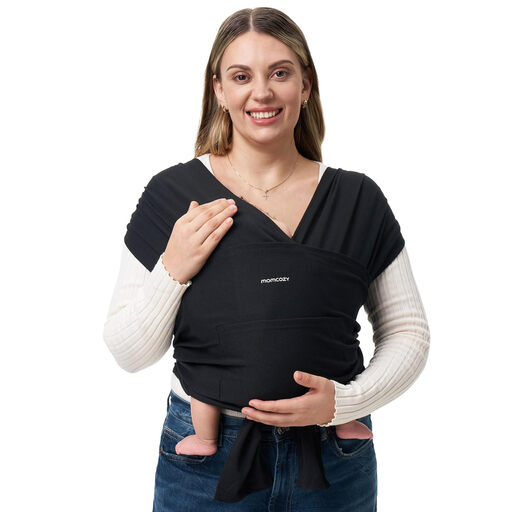
Why This Fits Their Persona: Ideal for parents of newborns who want a soft, womb-like environment for their baby. The fabric design is perfect for promoting bonding and is easy to use for shorter trips, like a walk to the local park or for settling a fussy baby at home.
This baby sling is specifically designed for the early months. Its soft, stretchy fabric naturally supports a newborn's C-shaped spine and M-shaped leg position, avoiding the poor fit of a rigid carrier on a tiny baby.
The double-ring closure system allows for quick, knot-free adjustments for a secure fit. It's also versatile, doubling as a discreet nursing cover when out and about.
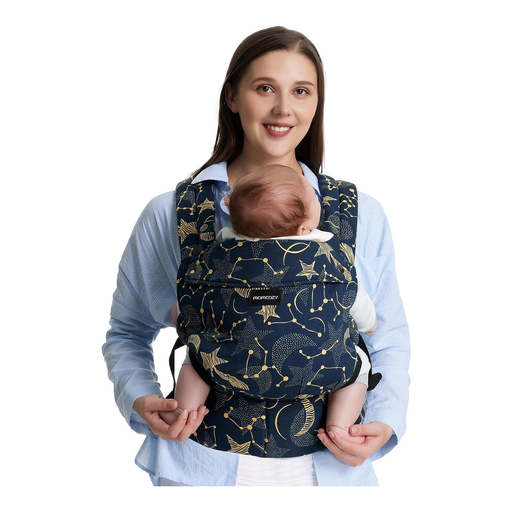
Why This Fits Their Persona: For the parent who needs a reliable, structured carrier for everything from the weekly shop to long country walks. This is a workhorse carrier built for extended, comfortable wear as your baby grows heavier.
This carrier directly tackles the parent comfort issue. Its X-shaped back design and built-in EVA waist support actively distribute weight to prevent the back and shoulder strain common with less supportive carriers.
It features three adjustable sizing positions to genuinely accommodate a growing child (up to 20kg), ensuring an ergonomic M-position throughout. It's made from 100% cotton and is machine washable.
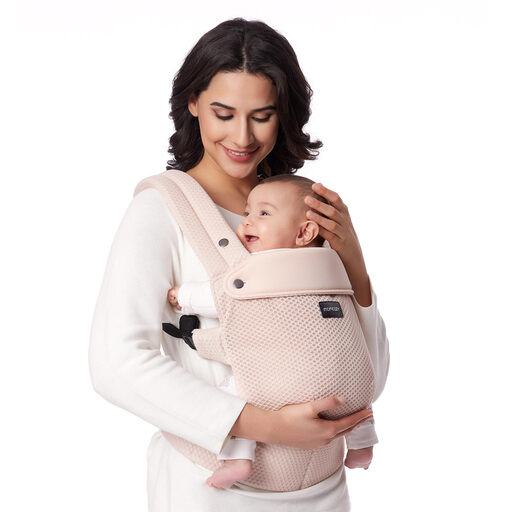
Why This Fits Their Persona: Perfect for parents who run warm, plan to travel or need a carrier for the summer months. It provides the structure and support of a standard carrier but with a focus on airflow to keep both parent and baby cool.
This carrier directly solves the material mismatch problem. Instead of thick, insulating fabric, it uses a breathable Air Mesh panel and cooling neck fabric to prevent overheating on warmer days or during active use.
It combines the benefits of a breathable design with the full ergonomic support of a structured carrier, including the X-shaped back, EVA waist support and adjustable sizing for babies from 3.2kg to 20kg.
We have compiled a complete, real-time list of products that fully satisfy these strict selection criteria and UK safety regulations.
The lifespan of a baby carrier depends on its weight limit and design. Many baby slings and wraps are ideal for the first year, while structured carriers can often be used until your child is 2-3 years old, or up to a weight of around 20kg (44 lbs). Always check the manufacturer's specified weight range and stop using the carrier when your child exceeds the maximum limit or no longer feels secure and comfortable.
Both can be excellent choices, but they suit different preferences. A baby sling or wrap offers a very snug, customisable fit that mimics the womb, which many newborns find comforting. A structured baby carrier for newborns offers more support and is often quicker to put on, but you must ensure it allows for the proper 'M' and 'C' positioning and doesn't have any large gaps around a small baby's body.
Always follow the T.I.C.K.S. guidelines for safe babywearing:
Regularly check that all buckles are securely fastened and inspect the carrier for any signs of wear and tear before each use.