
24/7 Customer Support

Free returns

Same-day & Next-day Delivery

Quality Guaranteed

Unlock Your Welcome Offers: FREE Delivery | Up to 80% OFF | Free 30-day JoyPlus trial
Download the APP
Keeping your little one close while managing daily life is a common challenge for parents. A well-chosen baby carrier can be a game-changer, offering you the freedom of a hands-free lifestyle while ensuring your baby is safe and content. But with so many options available, from simple slings to structured carriers, making a decision can feel overwhelming.
As the Joybuy Product Recommendation Officer, my role is to help you navigate these choices. This guide cuts through the marketing jargon, offering clear, practical advice to help you find a baby carrier that fits your family's needs and lifestyle, whether you're doing the weekly shop, travelling or exploring the great outdoors.
Before diving into specific products, it’s helpful to understand the key features that make a carrier both safe and practical for you and your baby.
A truly ergonomic baby carrier is designed with the health of both parent and child in mind. For your baby, this means supporting their developing hips and spine. Look for carriers that allow your baby to sit in the "M" or "froggy" position, where their knees are higher than their bottom. This posture is widely recognised for promoting healthy hip development.
For your own comfort, consider how the carrier distributes weight. Padded shoulder straps and a wide, supportive waistband can make a significant difference, reducing strain on your back and shoulders. In the UK, look for products that comply with safety standards like EN 13209-2:2015, which ensures the carrier has met specific structural integrity and safety requirements.
Babies grow quickly, and a carrier that adapts with them offers better long-term value. An adjustable infant carrier can be modified to fit a tiny newborn and later expanded for a curious toddler.
Consider the carrying positions offered. A baby carrier for newborn infants will typically focus on an inward-facing front carry for closeness and support. As your baby develops head control, you might want options for outward-facing or even back-carrying. A versatile front and back baby carrier is an excellent choice for active families, allowing you to comfortably carry your child well into their toddler years.
The material of your carrier affects comfort, breathability and ease of cleaning. For everyday use in the UK's variable climate, breathable fabrics like cotton are a popular choice. They help regulate temperature, keeping both you and your baby comfortable. For more adventurous parents, specialised materials like neoprene offer durability and water resistance. A comfortable baby carrier is one you’ll reach for time and again, so features like soft fabrics and machine-washable materials are practical considerations.
Based on these principles of safety, versatility and comfort, here are some standout options to consider.
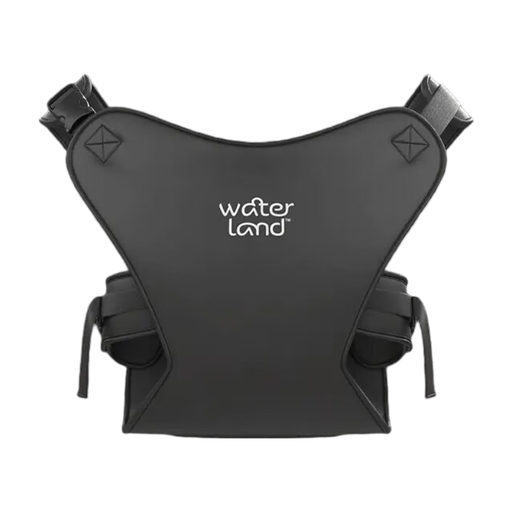
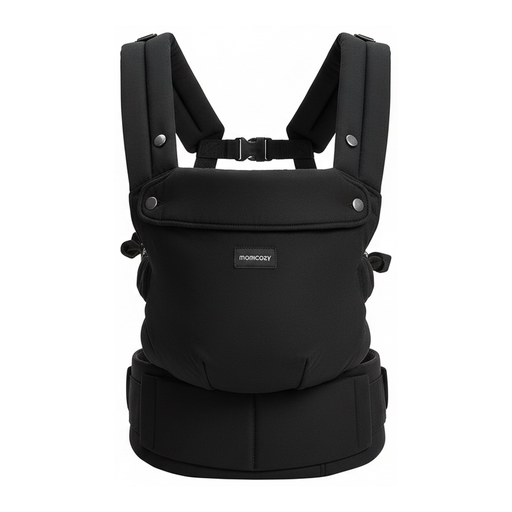
comfortable baby carrier for everyday tasks, from running errands to long walks. Its focus on ergonomic support makes it a strong choice for those concerned with back strain.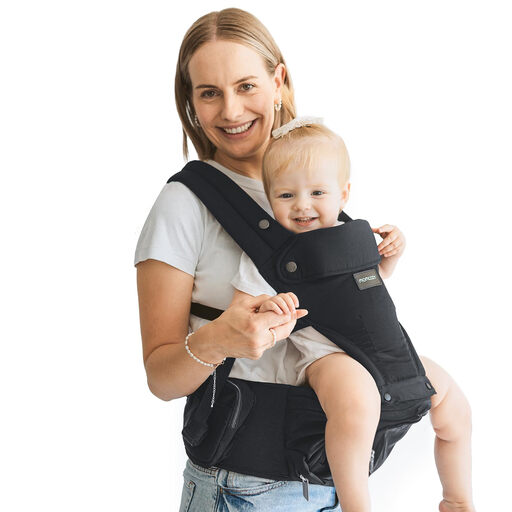
baby carrier with hip seat. The detachable hip seat provides a firm, wide base for your child, which is excellent for quick ups-and-downs around the house. When combined with the main carrier body, it offers six different carrying positions.toddler carrier stage, making it a practical and economical choice for growing families.If you're particularly drawn to the idea of a carrier with a built-in seat for extra support, especially as your child gets heavier, you may want to explore more designs. Discover our curated collection of hip baby carrier models to find the perfect fit for you and your toddler.
This depends on the carrier's design. Some structured carriers are suitable from newborn (typically around 3.2 kg or 7 lbs), often with a special infant insert. Others are designed for babies who have developed strong head and neck control, usually around 4-5 months. Always check the manufacturer's specified weight and age range before use.
An ergonomic carrier should support your baby's thighs from knee to knee, allowing their legs to form an 'M' shape with their bottom. Their back should be softly rounded in a natural 'C' shape. For the parent, an ergonomic design includes wide, padded straps and a waistband that distributes the baby's weight across your hips and torso, not just your shoulders.
Yes, many modern carriers function as a front and back baby carrier. Back-carrying is an excellent option for older babies and toddlers, as it makes carrying their heavier weight more manageable over long periods. It is generally recommended to wait until your child has full head and neck control and can sit unassisted (usually around 6 months or older) before using the back-carry position.