
24/7 Customer Support

Free returns

Same-day & Next-day Delivery

Quality Guaranteed

Unlock Your Welcome Offers: FREE Delivery | Up to 80% OFF | Free 30-day JoyPlus trial
Download the APP
Welcoming a new baby brings a whirlwind of joy and a surprisingly long shopping list. As you prepare your home, one of the most frequently used areas will be the nappy changing station. With so many products on the market, it can be difficult to know what you truly need. This guide is designed to cut through the clutter, offering practical advice on setting up a safe, comfortable and efficient space for you and your little one. We will cover everything from dedicated changing units to the nappies themselves, helping you make informed choices for your family.
Before you start adding items to your basket, consider these key points. A well-planned nappy changing setup can make a world of difference during those frequent daily changes.
Your primary decision is where you will be changing your baby. You have two main options: a dedicated changing unit or a portable mat on an existing surface.
nappy changing station or a baby changing unit with bath offers a complete, organised solution. These pieces of nursery furniture are designed at a comfortable height to reduce back strain and come with built-in storage to keep all your essentials within arm's reach. When choosing, look for units that comply with British safety standards, such as BS EN 12221, which ensures stability and safety.portable changing mat offers flexibility. It can be placed on top of a sturdy chest of drawers or used on the floor for changes around the home. Look for mats with raised edges for added safety and a wipe-clean, waterproof surface for easy hygiene.Nappies will be one of your most regular purchases. Comfort, absorbency and skin-friendliness are paramount.
hypoallergenic baby nappies to protect sensitive newborn skin. Eco-friendly nappies, often made from plant-based materials like bamboo, are also becoming popular. They are typically free from fragrances, lotions and chlorine, reducing the risk of irritation.Once you have your surface and nappies, organisation is key. You should be able to reach everything you need without taking a hand off your baby. Arrange your station with nappies, wipes, barrier cream and nappy sacks all within easy grasp.
Here are a few standout products that address the different needs of modern parents, from all-in-one solutions to eco-conscious choices.
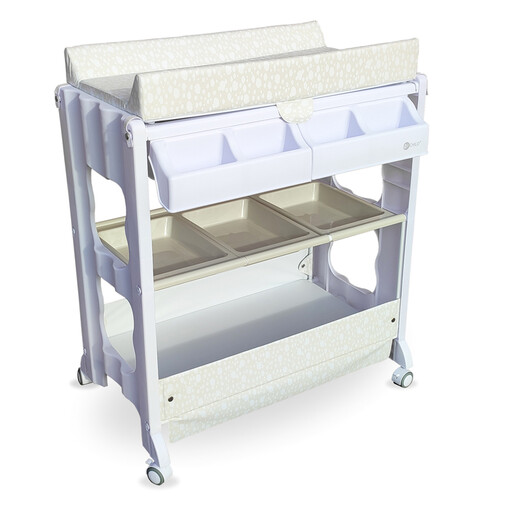
Why It Stands Out This unit is a brilliant space-saver that combines two essential baby care tasks into one. It features a comfortable changing area on top and a concealed baby bath underneath, making it a highly practical piece of nursery furniture for streamlining your routine.
Pros
Who is it for? Parents who want a complete, self-contained baby changing unit with bath that saves space and keeps everything neatly organised in one place.
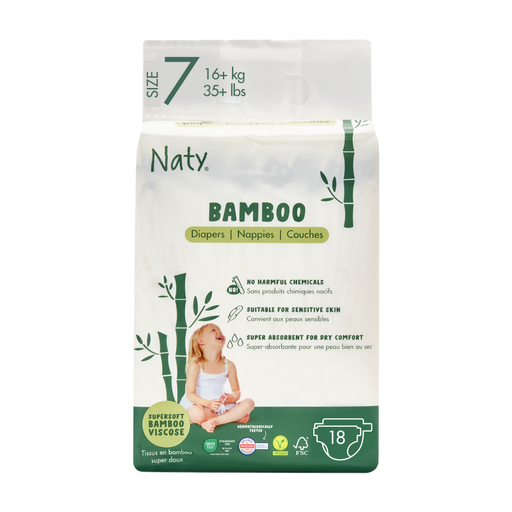
Why It Stands Out These nappies offer a thoughtful balance of performance and environmental responsibility. According to the brand, they are made with plant-based materials, including a 100% bamboo viscose back sheet, making them a gentle choice for your baby's skin and a more sustainable option.
Pros
Who is it for? Parents seeking high-performing eco-friendly nappies or hypoallergenic baby nappies for children with sensitive skin.
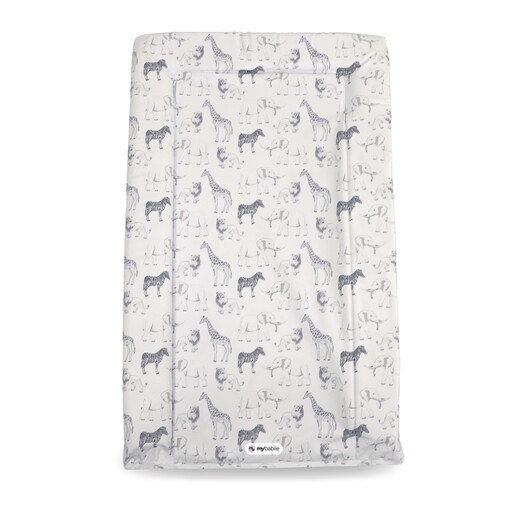
Why It Stands Out This portable changing mat proves that practical items can also be stylish. Its fun safari print adds a cheerful touch to the nursery, while its functional design prioritises safety and convenience.
Pros
Who is it for? Parents who need a versatile, safe and easy-to-clean changing mat that can be used in any room or on top of existing furniture.
The products highlighted here are just a starting point. Every family's needs are unique, and you may be looking for different sizes, styles or features. To see a wider selection of changing tables, mats, nappies and accessories, browse our full collection.
Explore the Nappies & Changing Category at Joybuy UK
To create a complete nappy changing setup, you will need a core set of items. Here is a basic checklist:
Newborns typically require frequent changes, often using between 10 and 12 nappies in a 24-hour period. It is always a good idea to have a healthy stock on hand. This number will gradually decrease as your baby grows and their bladder control develops.
While not strictly essential, a dedicated changing table or unit is highly recommended. It provides a stable surface at an ergonomic height, which can help prevent back pain from bending over. It also offers valuable storage, keeping all your baby changing essentials organised and within safe reach. If space is a concern, a portable changing mat used on a sturdy dresser is a practical alternative.