
24/7 Customer Support

Free returns

Same-day & Next-day Delivery

Quality Guaranteed

Unlock Your Welcome Offers: FREE Delivery | Up to 80% OFF | Free 30-day JoyPlus trial
Download the APP
Choosing baby changing products is less about buying the largest set and more about selecting items that suit your space, routine and cleaning habits. A changing mat may be ideal for a compact flat, while a dedicated baby changing station can make daily nappy changes easier in a larger nursery.
However, attractive designs and long feature lists can hide practical drawbacks. Before buying, check the following common pitfalls.
A changing mat may look suitable online but leave little room around your baby once placed on a dresser or changing unit. Check the full dimensions, including the raised edges, and measure the surface where it will be used.
For example, a mat measuring 79 x 46 cm may suit many nursery surfaces, while a more compact design measuring 70 x 45 cm may be easier to move between rooms.
Raised edges can help contain a baby during a nappy change, but they are not a restraint. Never leave a baby unattended on a baby changing mat, baby changing table or baby changing station, even for a short moment.
Always use the mat on a flat, stable surface and keep wipes, nappies and clothing within reach before starting.
Fabric covers can feel comfortable but may require frequent washing and can retain moisture if not dried properly. A waterproof changing mat or wipe-clean changing mat is often more practical for everyday spills.
For larger units, check whether the storage shelves, towel rails, baskets and removable fabrics can be cleaned easily. Wheels are useful only when they lock securely during use.
Look for a clearly stated surface material and cleaning method. PVC and PU foam are common choices for changing mats because they can provide padded support with a waterproof outer layer.
A non-porous, seamless surface has fewer joins where cream, milk or other mess can collect. Follow the care instructions closely: some products are suitable for warm soapy water, while others should only be wiped with a damp cloth and mild baby-safe cleaner. Avoid bleach unless the manufacturer specifically permits it.
A useful baby changing mat should provide enough space for the intended age range while fitting securely on its supporting surface. Consider:
For a nursery changing unit, check the maximum child weight, maximum shelf load and wheel-locking system separately. Do not assume a frame’s total capacity is the same as the changing table’s capacity.
Some products include a stated standard such as BS EN 12221-1:2008+A1:2013. This relates to safety requirements for child use and care articles, but buyers should still follow the individual product instructions and warnings.
For a travel cot with changing table, check the separate weight limits for the changing table, cot and playpen. A multifunctional design can save space, but it still needs correct assembly and a stable, locked setup.
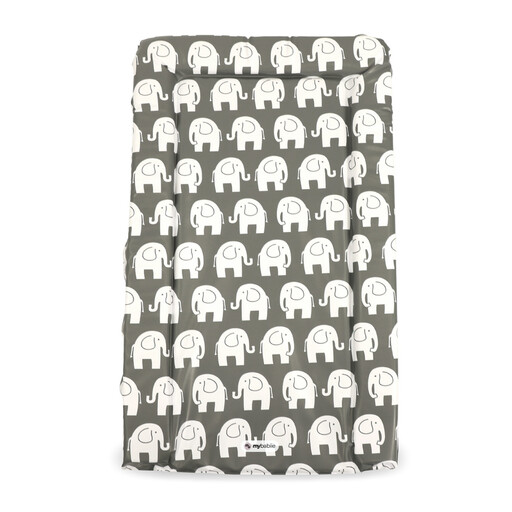
Why This Fits Their Persona: A straightforward option for new parents who need a padded mat for a nursery, bedroom or occasional use without adding a large piece of furniture.
Its 79 x 46 cm format and waterproof PVC surface make the size and cleaning routine clear before purchase.
Raised edges, foam padding and a wipe-clean, waterproof surface. Suitable from 0 months+.
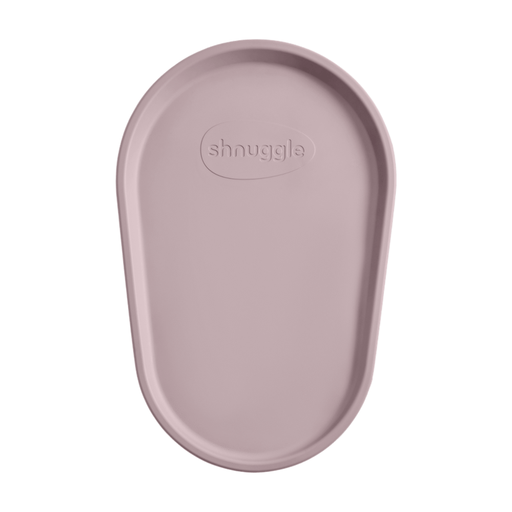
Why This Fits Their Persona: Suitable for parents prioritising a soft-touch surface, simple maintenance and a mat that can move between changing, supervised tummy time and massage.
The seamless waterproof design avoids a separate fabric cover and has fewer crevices to clean.
100% PU foam, raised sides, a 70 x 45 cm footprint and a wipe-clean surface.
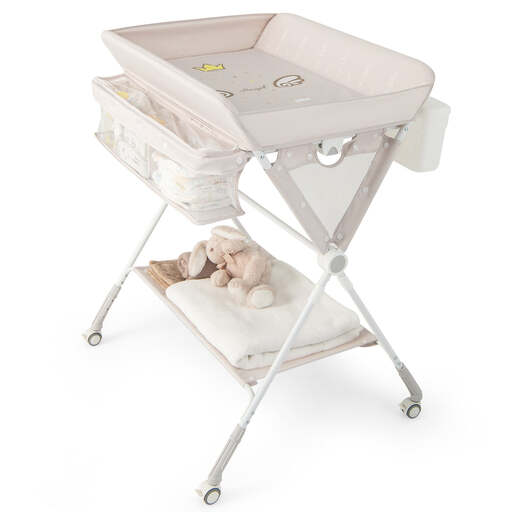
Why This Fits Their Persona: Designed for families carrying out frequent changes at home who value adjustable working height, storage and mobility.
Three height settings, four lockable wheels and a stated infant limit of 11 kg make the intended use clearer.
Includes a side bag, bottom shelf, towel rack and removable washable Oxford cloth.
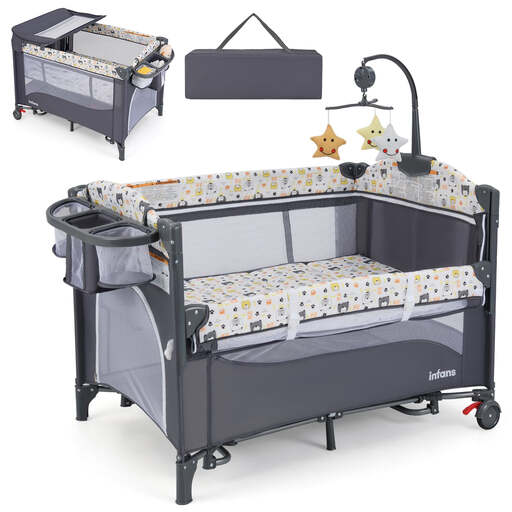
Why This Fits Their Persona: A practical choice for families needing a travel cot with changing table, bedside sleeper and playpen functions for visits or holidays.
Separate stated limits include 11 kg for the changing table and 15 kg for the cot and playpen, helping buyers match the product to each function.
Folds into a carry bag and includes lockable wheels, storage pockets and safety straps.
We have compiled a complete, real-time list of products that fully satisfy these strict selection criteria and UK safety regulations.
A practical starter list may include:
A changing bag with insulated pockets, pushchair straps and separate wet-tissue storage can be useful for longer outings. Check capacity rather than relying on the word “weekender”, and confirm that the bag can carry your normal supply of nappies, clothing and feeding items without becoming difficult to lift.
Place the mat on a flat, stable surface and keep nappies, wipes and clothing close by. Use only products suitable for the mat’s stated age range. A changing mat is not designed for sleep, and a baby should never be left unattended on it.
Lifespan depends on frequency of use, cleaning products and storage. Inspect it regularly for splits, punctures, peeling, damaged seams or compressed padding. Replace it if the surface or structure is damaged, even if it still looks usable.
Check the product’s age guidance carefully. The Huggies DryNites bed mats listed here are for children aged 12 months and over and must be placed under a bedsheet, not used as a sleep surface for an infant. They are single-use items and should be replaced when soiled or damp.