
24/7 Customer Support

Free returns

Same-day & Next-day Delivery

Quality Guaranteed

Unlock Your Welcome Offers: FREE Delivery | Up to 80% OFF | Free 30-day JoyPlus trial
Download the APP
A baby comfort blanket can become a familiar companion during cuddles, pram journeys and supervised play. However, choosing one based only on a cute character or exceptionally soft appearance can lead to practical problems later.
Common buying pitfalls include:
The right choice depends on your baby’s age, how you expect to use it and how much maintenance you can manage.
Look for a soft baby blanket made from materials suitable for close contact with delicate skin. Polyester plush, cotton, muslin and organic cotton are common options. The material itself is only part of the decision: inspect the stitching, embroidery, corners and any attached features.
For a newborn comfort blanket, check that:
Products sold as toys should include appropriate safety information and applicable conformity marking, such as CE or UKCA, depending on the product and UK market requirements. Always follow the manufacturer’s age guidance and warnings.
A comforter should be light enough for a baby to lift and easy for small hands to hold. Wide borders, knotted corners, tags, ears and textured tabs can give a baby several places to grip.
A compact security blanket for babies is also easier to pack in a changing bag or take in the car. Avoid adding your own cords, ribbons or clips, as these may introduce entanglement or choking hazards.
Compare the care label with your routine. A washable baby comforter that can go through a gentle machine cycle may suit families who want convenient cleaning. Hand-wash-only designs can still be practical, but they need time to air dry fully before the next use.
Use mild detergent where advised, avoid altering the product and allow it to dry completely. Check regularly for loose threads, damaged seams, detached parts or changes in the filling. Discontinue use if damage appears.
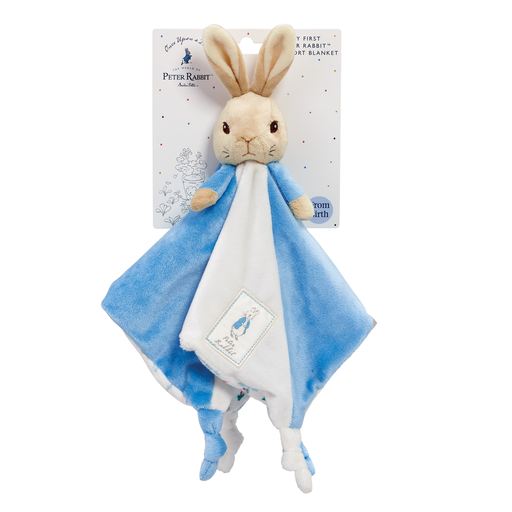
Why This Fits Their Persona: A straightforward first comforter for new parents, grandparents or gift buyers seeking a lightweight design for home, pram use and travel.
The lightweight format and knotted corners prioritise grasping and portability rather than oversized decoration.
Soft plush fabric, embroidered character details, knotted corners and a portable design.
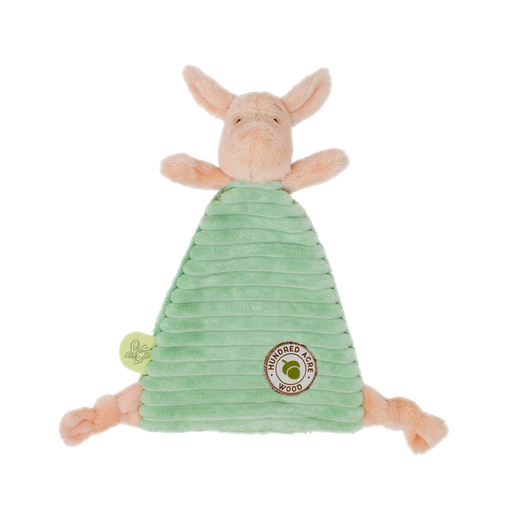
Why This Fits Their Persona: Suits buyers who value a traditional keepsake appearance alongside a soft, easily recognisable character design.
The wide-border blanket gives babies multiple edges to hold, while embroidered details avoid relying on detachable facial parts.
Premium polyester plush, multi-textured fabric, embroidered detailing and a lightweight 26.5 cm package width.
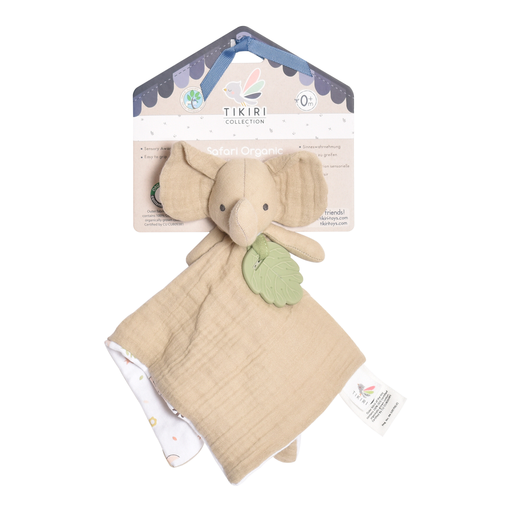
Why This Fits Their Persona: A practical option for families expecting frequent use at home, in the car or during visits where regular cleaning matters.
Its stated machine-washable care instructions address the inconvenience of hand-washing a frequently used comforter.
Floppy ears and trunk for tactile exploration, embroidered eyes and machine-washable polyester plush with cotton lining.

Why This Fits Their Persona: Designed for parents seeking a sensory baby comforter that can remain useful as their child begins exploring textures and teething features.
The attached features are purpose-designed for supervised exploration, but the product still requires regular inspection and adult supervision.
Organic cotton body, natural rubber teether, crinkle muslin, fabric toggles and a hand-wash care routine.
We have compiled a complete, real-time list of products that fully satisfy these strict selection criteria and UK safety regulations.
Use a baby comfort toy during supervised cuddling, quiet time, story time or travel. Let your baby hold and explore it naturally rather than placing it over their face or attaching it to clothing, a cot or a pushchair with extra ties.
For sleep, follow current NHS and safer-sleep guidance: keep the cot clear of soft items for an unattended baby under 12 months. A comforter can be part of a bedtime routine before the baby settles, then stored safely away if required by your sleep arrangement.
A baby comfort blanket is usually a small, lightweight fabric square, sometimes with a character head, knotted corners or tags. A baby comforter may include additional features such as ears, crinkle fabric or a teether. Both should be checked for secure construction and used according to their warnings.
Some products are labelled 0+ months or comforter from birth, but this refers to the product’s stated age suitability, not unsupervised sleep. Use it with an adult present, remove all packaging and follow the product instructions and safer-sleep guidance.
Clean it whenever it becomes visibly dirty, wet or soiled, and follow the care label. Families using one every day may find a machine-washable option more convenient. Keeping a spare comforter can also help while the first is drying, provided both products are checked regularly for damage.