
24/7 Customer Support

Free returns

Same-day & Next-day Delivery

Quality Guaranteed

Unlock Your Welcome Offers: FREE Delivery | Up to 80% OFF | Free 30-day JoyPlus trial
Download the APP
Choosing the right baby cot is one of the first major decisions for expectant parents. With so many options available, it can feel overwhelming to find a safe, practical and comfortable sleeping space for your little one. This guide is designed to help you understand the key features to look for, compare different types of cots and make an informed choice for your family's needs and budget.
Before diving into specific models, it's helpful to understand what makes a good cot. Here are a few practical points to consider during your search.
In the UK, all new cots must comply with safety standard BS EN 716-1:2017. This standard dictates crucial safety features, including:
Always check for this safety standard when purchasing a newborn crib or cot.
The term 'baby cot' covers several different designs, each suited to different needs.
Think about how long you want the cot to last. A wooden cot bed that converts for toddler use can be a sound investment, lasting for several years. Features like an adjustable mattress base are also important; you can set it at a higher level for a newborn and lower it as your baby learns to sit and stand, preventing them from climbing out.
Here are a few options that stand out for their design, functionality and adherence to safety.
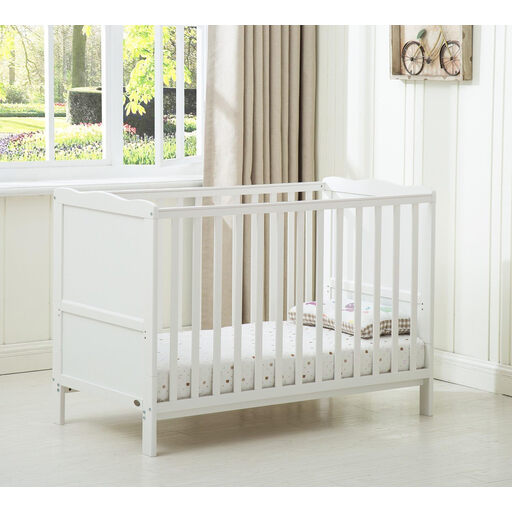
Why It Stands Out: This is a classic and durable choice that grows with your child. Made from sustainably sourced solid wood, it functions as a secure baby cot and easily converts into a stylish toddler bed. A significant benefit is the included Premier mattress, which has a water-repellent and breathable Aloe Vera-infused cover, offering a comfortable and hygienic sleeping surface. The three adjustable base heights provide safety and convenience as your baby develops.
Pros:
Who is it for? Parents looking for a traditional, long-lasting wooden cot bed that provides excellent value from infancy through the toddler years.
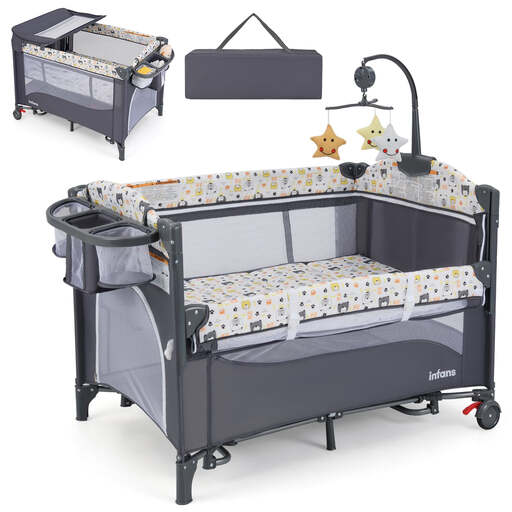
Why It Stands Out: This multifunctional baby cot is a true all-in-one nursery centre. It adapts to your child's needs by transforming into a travel cot, rocking bassinet, changing table, bedside sleeper and playpen. The design prioritises convenience for parents on the go, featuring tool-free folding, a carry bag and lockable wheels. For co-sleeping, it includes safety straps to secure it to your bed and an adjustable side rail.
Pros:
Who is it for? Families who need a flexible, portable solution for home and away, or those living in smaller spaces who can benefit from a single unit with multiple functions.
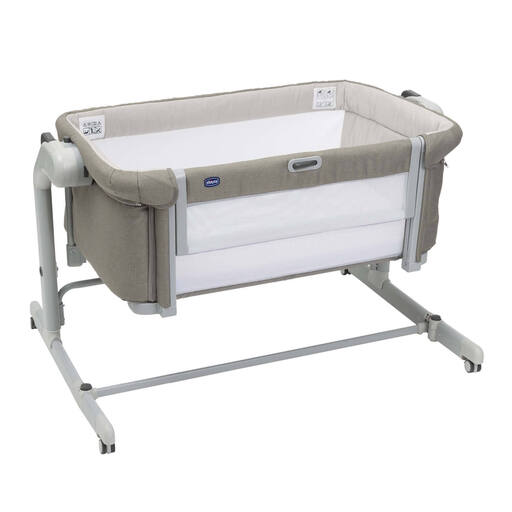
Why It Stands Out: Specifically designed for the first six months, this bedside crib excels at making night-time care easier. Its standout feature is the one-hand sliding side panel, which allows you to comfort or feed your baby without having to get out of bed. The crib also features a gentle rocking mode to help soothe your baby to sleep. With a 3D mesh mattress and two mesh windows, it is designed for optimal airflow, keeping your newborn crib environment comfortable.
Pros:
Who is it for? New parents who want the closeness and convenience of a co-sleeper cot during the crucial first few months.
While these recommendations cover a range of needs, the perfect baby cot is a personal choice. If you're still exploring different styles or features, you can browse a wider selection of cots and beds.
Explore our full collection of Baby toddler bed options to find the ideal fit for your nursery.
1. What is the difference between a cot and a cot bed? A standard baby cot is designed for infants and babies, typically until they are around two years old. A cot bed is slightly larger and has removable sides, allowing it to be converted into a small bed suitable for a toddler up to about four or five years old. This makes a cot bed a more long-term investment.
2. How long can a baby stay in a bedside crib? A bedside crib or co-sleeper cot is intended for newborns, generally from birth up to six months, or until the baby weighs a maximum of 9 kg. You should stop using it as soon as your child can sit up, kneel or pull themselves up independently.
3. Are travel cots safe for everyday use? While travel cots are designed for portability and temporary use, many modern, high-quality models are built to be safe and sturdy enough for more regular sleep. Always ensure the model you choose complies with safety standards and comes with a firm, well-fitting mattress. For permanent, everyday use, a more robust wooden cot bed is often recommended.