
24/7 Customer Support

Free returns

Same-day & Next-day Delivery

Quality Guaranteed

Unlock Your Welcome Offers: FREE Delivery | Up to 80% OFF | Free 30-day JoyPlus trial
Download the APP
Preparing for a new arrival is an exciting time, but choosing the right equipment can feel overwhelming. A safe and comfortable place for your baby to sleep is one of the most important decisions you will make. With so many options available—from traditional cots to bedside cribs and multifunctional travel systems—it can be difficult to know where to start.
As the Joybuy Product Recommendation Officer, my role is to help you navigate these choices. This guide cuts through the clutter, offering practical advice and highlighting key features to help you find a baby cot that suits your family’s needs, your home and your lifestyle.
Before looking at specific models, it helps to understand the key factors that ensure safety and practicality. Here are a few essential points to keep in mind during your search.
In the UK, all new cots must comply with the safety standard BS EN 716-1:2017. This regulation governs crucial aspects of cot design, including:
Always check for this safety standard when purchasing, whether you are considering a newborn crib or a larger cot bed.
The ideal sleeping solution depends heavily on your living situation.
The cot frame is only half of the equation. A baby’s mattress should be firm, flat and waterproof, with a removable, washable cover. A firm surface is essential for safe sleep and supports your baby's development. Avoid soft or memory foam mattresses, as these can pose a suffocation risk. Choosing a cot that comes with a purpose-built mattress can save you time and provides peace of mind that the fit and firmness are correct.
Based on features, functionality and user needs, here are our recommendations for different parenting scenarios.
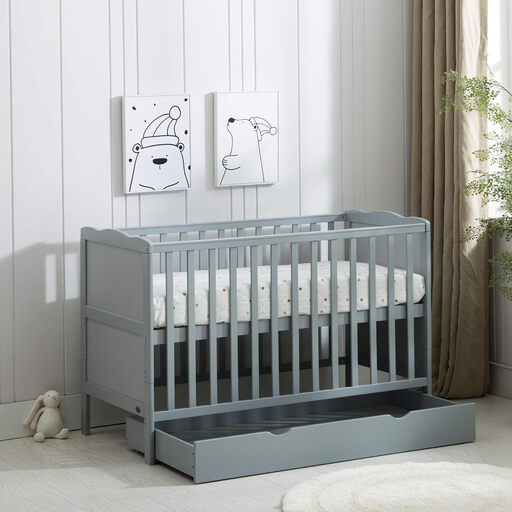
Why It Stands Out: This is a classic, long-lasting solution that cleverly combines sleeping space with storage. Its ability to convert into a toddler bed offers excellent value, while the integrated drawer helps keep the nursery organised.
Pros:
Who is it for? Parents looking for a permanent, stylish and practical baby cot bed with storage that will last from the newborn stage well into the toddler years.
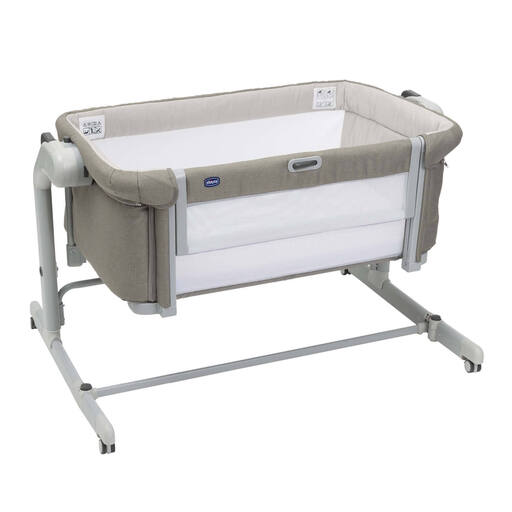
Why It Stands Out: This bedside crib is designed for the first six months, focusing on convenience and closeness. The one-handed opening mechanism is a standout feature, making night-time comforting and feeding significantly easier.
Pros:
Who is it for? New parents who want the reassurance of having their newborn right beside them in a safe and purpose-built co-sleeper cot.
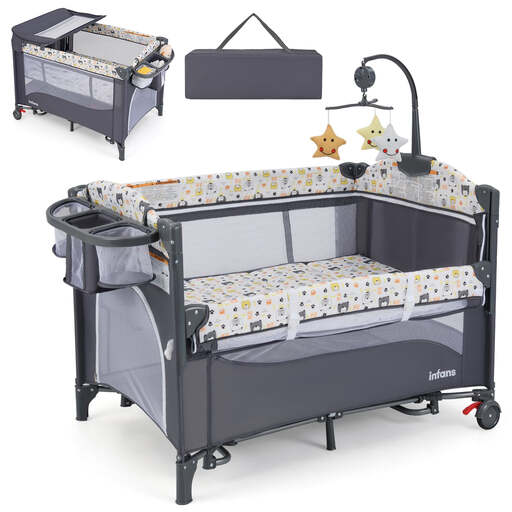
Why It Stands Out: This product redefines versatility. It serves as a complete nursery centre, adapting from a bedside sleeper to a travel cot and a multifunctional playpen, making it an incredibly practical choice for modern families.
Pros:
Who is it for? Families who need a flexible, all-in-one solution for home and away, or those who want a single product that covers sleeping, changing and playing from birth to three years.
Finding the right cot is a major step, but creating the perfect sleep environment doesn't stop there. If you're looking for fitted sheets, cellular blankets and other essentials, you can explore our full range of Baby Cot Bedding to find everything you need.
A cot is a standard baby bed designed for use until your child is around two years old, or when they start trying to climb out. A cot bed is slightly larger and has removable sides and an end panel, allowing it to be converted into a small toddler bed that can last until your child is four or five.
Most bedside cribs are suitable from birth up to approximately six months, or a maximum weight of 9kg. It is important to stop using the crib as soon as your baby can sit up, kneel or pull themselves up unaided to prevent falls.
While travel cots are designed for temporary use, many modern, high-quality models are safe for more regular sleeping, provided they meet safety standards (BS EN 716) and are used with the firm, purpose-fitting mattress supplied by the manufacturer. For permanent, long-term use, a sturdier wooden cot or cot bed is generally recommended for its durability and stability.