Welcoming a new baby brings a whirlwind of decisions and choosing the right baby cot is one of the most significant. With so many styles, features and safety standards to consider, the process can feel overwhelming. This guide is designed to cut through the clutter, offering practical advice to help you find a safe, comfortable and suitable sleeping space for your little one. We will explore key features to look for and highlight a few options that cater to different family needs.
What to Look for in a Baby Cot: A Practical Buying Guide
Before diving into specific products, it is helpful to understand the core features that matter most. Focusing on these three areas will help you make a confident choice for your nursery.
1. Safety and UK Standards
Safety is non-negotiable. In the UK, cots must comply with specific safety standards, primarily BS EN 716. This standard governs aspects like the distance between the cot bars (to prevent a baby's head from getting trapped), the height of the sides and the overall structural stability. Always check that the cot you are considering meets this standard. Additionally, ensure any paints or finishes used are non-toxic and baby-safe.
2. Versatility: Cot vs. Cot Bed
Understanding the difference between a standard cot and a cot bed can save you money and hassle in the long run.
- Standard Cot: A smaller sleeping space designed purely for infants, typically used until around two years of age.
- Cot Bed: A larger, more versatile option. It functions as a newborn cot and can later be converted into a toddler bed by removing the side rails. This adaptability means a cot bed can often see your child through to the age of four or five, offering excellent long-term value. Many also feature an adjustable base, which can be lowered as your baby learns to sit and stand.
3. Materials and Practical Features
The construction of a cot impacts its durability and aesthetic. A solid wooden cot is a popular choice for its sturdiness and timeless appeal. Beyond the frame, consider practical additions. Some models come as a complete package with a cot with mattress, ensuring a perfect and safe fit. For families on the move or those needing a secondary sleeping solution, a lightweight and portable travel cot can be an invaluable asset.
Top Baby Cot Recommendations
Based on functionality, design and user needs, here are our recommendations to help you narrow down your search.
MCC Direct Wooden Cot and Toddler Bed, Grey - Orlando

- Why It Stands Out: This Orlando model is a prime example of a versatile cot bed. Its ability to transform from a secure cot into a stylish toddler bed makes it a long-lasting investment. The frame is crafted from sustainably sourced solid wood and finished in a contemporary grey, non-toxic paint. A significant feature is the included Premier Aloe Vera mattress, which has a water-repellent and breathable cover.
- Pros:
- 2-in-1 design grows with your child.
- Includes a high-specification water-repellent mattress with an Aloe Vera infused cover.
- Features three adjustable base height positions for added safety as your baby develops.
- Sturdy solid wood construction.
- Who is it for? Parents seeking a durable, all-in-one sleeping solution that will adapt from the newborn cot stage right through the toddler years, without compromising on style.
MCC Direct White Wooden Orlando Baby Cot Bed with Rollaway Drawer

- Why It Stands Out: This model offers all the benefits of the Orlando cot bed design but with the added convenience of a full-length, rollaway under-bed drawer. This integrated storage is perfect for keeping bedding, nappies and other essentials neatly tucked away, making it ideal for optimising space in the nursery. It also comes as a complete set, including the cot with mattress.
- Pros:
- Integrated under-bed drawer on castors for easy-access storage.
- Converts from a cot to a toddler bed.
- Constructed from premium solid pine wood and composite panels with a child-safe finish.
- Includes an Aloe Vera water-repellent mattress.
- Who is it for? Parents who value practicality and need to make the most of their nursery space. The built-in storage is a game-changer for keeping the room organised.
2-in-1 Foldable Baby Playpen with Lockable Wheels
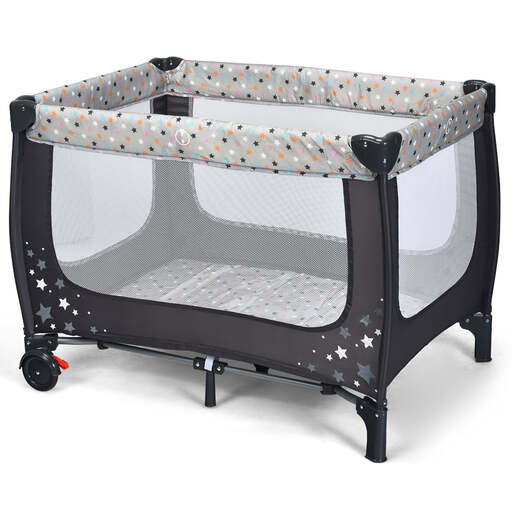
- Why It Stands Out: This product serves a dual purpose as a comfortable travel cot and a safe playpen. Its key feature is portability; it folds down quickly and comes with a carrying bag. The four-sided mesh design ensures excellent air circulation and allows you to keep a close eye on your baby. Lockable wheels make it easy to move from room to room and secure in place.
- Pros:
- Lightweight, foldable design with a carrying bag for easy transport.
- Functions as both a sleeping cot and a secure play area.
- Breathable mesh sides for visibility and airflow.
- Lockable wheels for mobility and stability.
- Who is it for? Families who travel, visit relatives frequently or need a flexible, secondary sleeping and play space that can be easily moved and stored.
Looking for More Options?
If these recommendations are not quite what you are looking for, do not worry. Every family's needs are unique, and the right solution is out there.
Explore our full collection of mattresses and beds to discover more styles and find the perfect fit for your home.
Frequently Asked Questions
What is the difference between a cot and a cot bed?
A standard baby cot is designed for infants and is typically used until a child is around two years old. A cot bed is larger and can be converted into a toddler bed once your child outgrows the cot stage, usually by removing the side panels. This makes it a more long-term investment.
How long can a baby use a cot?
A baby can use a cot from birth. For safety, you should stop using it once your child is able to climb out, which can happen around the age of two or three. The lowest mattress base position is the safest and should be used as soon as your baby can sit up unaided. If you have a cot bed, this is the time to consider converting it to its toddler bed configuration.
What safety standards should a baby cot meet in the UK?
In the UK, the most important safety standard for a baby cot is BS EN 716. This ensures the cot is structurally sound, the bar spacing is safe and there are no hazardous features. Additionally, look for BS 8509 for children's beds and BS EN 71-3 for non-toxic paints and finishes.


