
24/7 Customer Support

Free returns

Same-day & Next-day Delivery

Quality Guaranteed

Unlock Your Welcome Offers: FREE Delivery | Up to 80% OFF | Free 30-day JoyPlus trial
Download the APP
Navigating the world of baby cups can feel overwhelming. With shelves full of options, it’s easy to fall for marketing claims that don’t hold up in a real-world family home. As a Joybuy Product Recommendation Officer, my role is to help you sidestep the common issues and find a cup that is practical, safe and right for your child's developmental stage. Many parents find themselves with a cupboard full of unused cups, a testament to a few common but costly purchasing mistakes.
Before you buy, be aware of these frequent traps:
To make a confident choice, focus on a few key parameters rather than flashy features. Understanding these will help you select a weaning cup or toddler cup that truly works for your family.
The mechanism that controls the liquid is perhaps the most important feature.
Safety and ease of cleaning are non-negotiable.
Instead of a single "best" cup, the right choice depends on your child's age and your family's lifestyle. Here are a few options matched to common UK parenting scenarios.
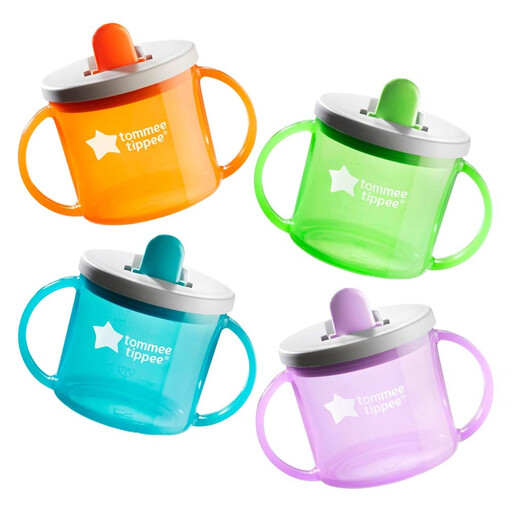
Why This Fits Their Persona: Ideal for parents starting the weaning journey around 4-6 months. It’s a simple, affordable and widely recommended starting point for teaching the basic mechanics of lifting and tipping a cup.
Its free-flow design is recommended for oral development, avoiding the issues of hard-to-suck valves. The simple two-part construction makes it exceptionally easy to clean, sidestepping the hidden mould trap.
Features a flip-down, leak-proof spout for travel and easy-grip handles for small hands. Disassembles into just two parts for effortless cleaning.

Why This Fits Their Persona: For parents who want to actively support the transition to an open cup. The 360-degree design is a practical step-up from spouts, teaching a child to sip from a rim without the immediate mess of a fully open cup.
Directly addresses the oral health pitfall by being spoutless. The pressure-activated valve is simpler to clean than many complex sippy spouts and seals automatically to minimise spills, offering a practical take on the "leak-proof" promise.
Allows drinking from any edge to support muscle development. The cup automatically seals when the child stops drinking, preventing major spills.
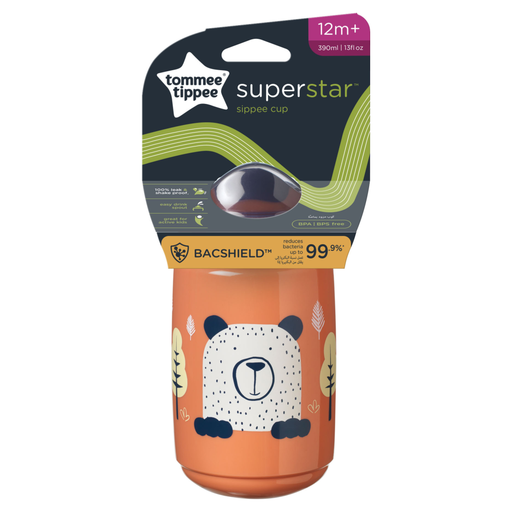
Why This Fits Their Persona: Built for active toddlers and busy parents. This cup is designed for durability and reliable leak-prevention, making it a trustworthy choice for the nappy bag, car journeys or trips to the park.
It addresses the "leak-proof" myth with specific, named technology (INTELLIVALVE). The addition of BACSHIELD antibacterial properties also acknowledges and tackles the hygiene concerns associated with valved cups.
Features a genuinely shake-proof and leak-proof valve. The spout is also bite-resistant, making it durable enough for toddlers with a full set of teeth.
We have compiled a complete, real-time list of products that fully satisfy these strict selection criteria and UK safety regulations.
Most health professionals in the UK suggest introducing a weaning cup around 6 months of age, at the same time you begin introducing solid foods. You can start with a small amount of water at mealtimes. Some open-style cups can even be introduced with assistance from as early as 3-4 months to familiarise your baby with the concept.
There is no fixed rule, but regular inspection is key. You should replace a cup immediately if you notice any cracks in the body, mould that cannot be removed or significant bite marks and tears in the silicone spout or straw, as these can become a choking hazard. For hygiene, some manufacturers suggest replacing soft spouts or valves every 2-3 months.
They serve different, equally valid purposes. Dentists and orthodontists often favour free flow cups for use during mealtimes, as they help a child develop a mature sipping pattern. However, non-spill cups are incredibly practical for minimising mess, especially during travel or independent play. Many parents find a combination works well: a free-flow beaker at the high chair and a non-spill cup for the nappy bag.