Who is choosing the drinks?
The ages and dietary requirements of guests matter more than choosing one flavoured drink for the whole table.
Hosts serving babies and young children
Keep water available rather than assuming a no-added-sugar squash is an infant drink. The NHS says not to add sugars to food or drinks for babies under one; Leeds Teaching Hospitals advises offering children no-added-sugar squash only at mealtimes. Check each bottle’s age and dilution instructions before serving it to an older child.
Hosts offering a lower-sugar flavoured choice
Compare the sugars in the drink as prepared, not just the claim on the bottle. Tesco, ASDA and Waitrose list different dilution ratios and serving sizes for their squash examples, so follow the instructions for the particular bottle when making up jugs.
Hosts accommodating individual dietary requirements
Offer water and keep the packaging available so guests can check ingredients themselves. Some listed squash products contain sweeteners or sulphites, and Diabetes UK advises people with diabetes to seek individual guidance from their healthcare team when needed.
What should you check?
Decide which guests need a water-first option, then compare any squash using its prepared-drink label and serving instructions.
| Priority |
What to check |
Your needs |
| Babies and age guidance |
Keep water available. Read the product’s age instructions; Marks & Spencer states that its Orange Squash is not suitable for babies. |
With babies at the party, I do not want a no-added-sugar claim mistaken for infant suitability. The NHS says sugars should not be added to food or drinks for babies under one. |
| Children’s serving times |
Plan squash for mealtimes rather than leaving it out for continual refills. Leeds Teaching Hospitals gives this advice for children even when squash has no added sugar. |
I want children to have water available throughout the gathering, with squash offered alongside food if I serve it. |
| Sugars in the prepared drink |
Read the sugars figure and its serving size after dilution. Tesco lists 0.6g per 300ml prepared glass for its Quadruple Strength Apple & Blackcurrant Squash; ASDA lists less than 0.5g per 250ml diluted serving for Summer Fruits Squash. Those are different serving sizes. |
If I offer a flavoured option, I need to know what is in the glass guests will drink, not assume “no added sugar” means zero sugars. |
| Dilution and quantities |
Follow the bottle’s water-to-concentrate ratio. Tesco specifies 1:19 and 100 stated servings for its quadruple-strength example; ASDA specifies 1:9 and 60 stated servings for its Summer Fruits example. |
For several jugs, I want a format I can measure consistently and enough prepared drink for the guests who choose squash. |
| Ingredients and allergens |
Check the current ingredient and allergen label, and identify each prepared jug. ASDA’s Robinsons Apple & Blackcurrant listing includes acesulfame K, sucralose and sodium metabisulphite; its Vimto No Added Sugar listing gives barley allergy advice. |
I need guests to be able to recognise what is in each jug rather than assume every no-added-sugar drink has the same ingredients. |
| Guests with diabetes |
Provide water and clearly labelled alternatives without choosing on a guest’s behalf. Diabetes UK describes water as an all-round drink option and directs people who need individual advice about sweeteners to their healthcare team. |
Some guests may have their own drink preferences or diabetes management plans; I want them to be able to check the label and choose for themselves. |
Brand and retailer references
These label examples help distinguish formats and ingredients; details apply to the named products, not every squash from a brand or retailer.
Robinsons
ASDA lists Robinsons Apple & Blackcurrant No Added Sugar Squash as a single-strength example.
- ASDA states 0g sugars per 250ml diluted serving and a 1:4 dilution ratio for this bottle.
- Its listed ingredients include acesulfame K, sucralose and sodium metabisulphite; check the label for each guest’s requirements.
Tesco
Tesco lists a quadruple-strength no-added-sugar Apple & Blackcurrant Squash for hosts planning prepared-drink quantities.
- The listing states 100 servings when diluted at 1 part squash to 19 parts water.
- Its prepared 300ml glass lists 0.6g sugars, so “no added sugar” should not be read as “zero sugars”.
Sainsbury’s
Sainsbury’s lists Robinsons Orange No Added Sugar Squash; this is a retailer example, not a nutrition profile for all Sainsbury’s squash.
- The listing states 0g sugars and 3 kcal per 250ml diluted serving for this product.
- Its listed ingredients include sodium metabisulphite, acesulfame K and sucralose.
ASDA
ASDA Summer Fruits Squash is a 1.5L example with a stated yield for planning party jugs.
- ASDA suggests 60 servings at a dilution of 1 part squash to 9 parts water.
- The listed diluted 250ml serving contains less than 0.5g sugars; use that serving basis when comparing labels.
M&S
Marks & Spencer’s Orange Squash listing gives explicit instructions relevant to a mixed-age gathering.
- The product page tells hosts to add extra water if serving it to older children.
- It says the squash is not suitable for babies and lists sucralose and sulphites.
Waitrose
Waitrose Essential No Added Sugar Apple & Blackcurrant Squash is another listed format with a stated serving yield.
- Waitrose states 60 servings and suggests dilution at 1 part squash to 9 parts water.
- The listed 250ml serving contains 0.5g sugars, and the ingredients include acesulfame K, sucralose and sodium metabisulphite.
No-added-sugar squash options on Joybuy
These no-added-sugar squash concentrates are flavoured options to consider alongside water for older guests. Check each bottle’s current dilution, age and ingredient instructions before preparing drinks for the party.
 No image available
Robinsons No Added Sugar Orange Squash 1L
An orange squash option for a separate, clearly labelled party jug. Its product guidance says it is not suitable for children under 36 months and calls for extra water when serving toddlers; check the bottle’s dilution instructions before use.
Joybuy
 No image available
Ribena No Added Sugar Blackcurrant Concentrate 1.5L
A 1.5L blackcurrant concentrate for a labelled flavoured option. Its product guidance says to dilute it and does not recommend it for children under three; check the prepared-drink nutrition panel when planning servings.
Joybuy
 No image available
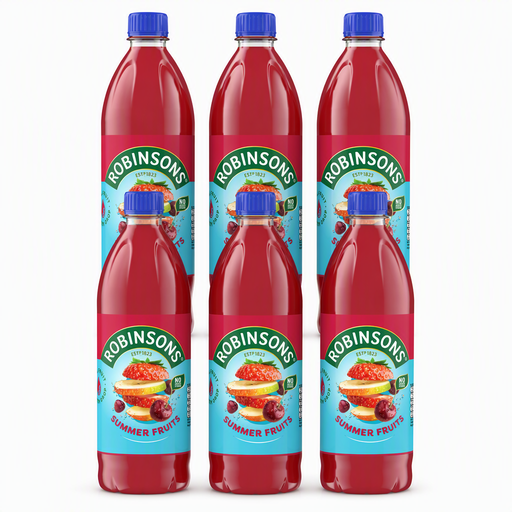
Robinsons No Added Sugar Summer Fruits Squash 6 × 1L
The six-bottle format may be useful when making several jugs. Check the current packaging for its prepared-drink sugars, dilution ratio and age instructions before deciding how much to make or serving it to children.
Joybuy
 No image available
Robinsons No Added Sugar Summer Fruits Squash 1L
A single-bottle summer-fruits option when a smaller format suits the drinks table. Its product guidance recommends extra water for toddlers; check the bottle’s age instructions, dilution ratio and prepared-drink sugars.
Joybuy
 No image available
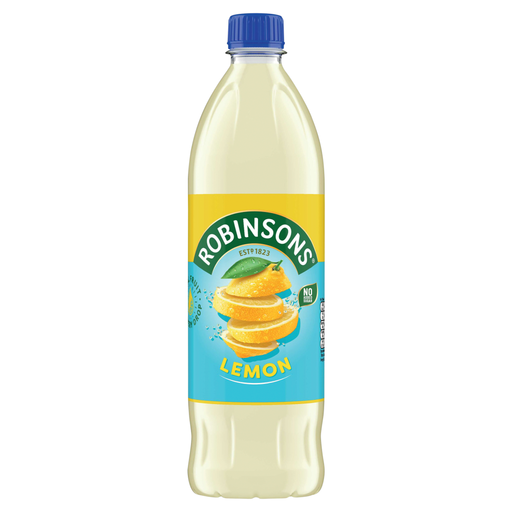
Robinsons No Added Sugar Real Fruit Lemon Juice Squash 1L
A lemon-flavoured concentrate for guests who prefer that option to the fruit blends. Check the current label for its dilution instructions, prepared-drink nutrition and age guidance before adding it to the party table.
Joybuy
Questions about serving squash
Should I serve squash to babies at a christening?
Make water available rather than assuming squash is suitable for a baby. The NHS says sugars should not be added to food or drinks for babies under one, and Marks & Spencer explicitly states that its Orange Squash is not suitable for babies. Instructions for older children do not establish infant suitability.
Does “no added sugar” mean squash contains no sugars?
No. For example, Tesco lists 0.6g sugars per 300ml prepared glass for its no-added-sugar Quadruple Strength Apple & Blackcurrant Squash, while Waitrose lists 0.5g per 250ml serving for its Essential No Added Sugar Apple & Blackcurrant Squash. Read the prepared-drink nutrition panel and note its serving size.
Can children have no-added-sugar squash throughout the party?
Leeds Teaching Hospitals advises offering children no-added-sugar squash only at mealtimes. Keep water available throughout the gathering and, if you offer children squash, serve it with food.
What drinks should I make available to a guest with diabetes?
Offer water and clearly labelled drink choices so the guest can decide according to their own needs. Diabetes UK describes water as an all-round option and includes sugar-free alternatives among drink choices; it advises seeking individual guidance from a healthcare team where needed. Do not treat a party squash as a substitute for someone’s own plan for managing low blood glucose.
Which ingredients should guests be able to check?
Keep the current bottles available for ingredient and allergen checks. ASDA’s Robinsons Apple & Blackcurrant listing includes sweeteners and sodium metabisulphite, Marks & Spencer’s Orange Squash lists sulphites, and ASDA’s Vimto No Added Sugar listing gives barley allergy advice. Label each prepared jug so guests know which bottle to check.


