
24/7 Customer Support

Free returns

Same-day & Next-day Delivery

Quality Guaranteed

Unlock Your Welcome Offers: FREE Delivery | Up to 80% OFF | Free 30-day JoyPlus trial
Download the APP
Preparing for a newborn can quickly turn into a long list of bottles, formula, pushchairs, carriers and bathing products. The challenge is deciding what is genuinely useful, what suits your baby’s needs and which features are simply marketing language.
This guide focuses on baby essentials from birth, with practical checks for feeding, mobility and everyday care. It also highlights common buying traps so you can build a suitable starter kit without paying for features you may not use.
An age label is only a starting point. A newborn pushchair should provide an appropriate recline, a secure five-point harness and clear weight limits. A baby carrier from birth must support a young baby’s head, neck and hips correctly, while a bath support still requires constant adult supervision.
Always check the manufacturer’s full instructions, not just the wording on the front of the packaging.
First infant milk formula sold in the UK must meet compositional requirements, so claims such as “advanced”, “natural” or “premium” do not automatically make one product suitable for every baby. Compare the practical details instead:
Specialist products such as lactose-free baby milk and anti-reflux formula should only be used under appropriate medical supervision. Breastfeeding is best for babies, and infant formula is suitable from birth when babies are not breastfed, following advice from a healthcare professional.
A product may look convenient but become inconvenient if it needs frequent washing, specialist replacement parts or more storage space than expected. Powdered formula generally needs accurate preparation, sterilised equipment and careful storage after opening. Ready-to-feed bottles reduce preparation steps, but opened liquid must be handled according to the label and refrigerated where specified.
For pumps, check whether all milk-contact parts can be removed and cleaned easily. A hands-free wearable breast pump is convenient only if the flange size, seal and cleaning routine work for the user.
For standard bottle feeding, compare first infant milk formula products by age suitability, allergens, pack size and preparation instructions. Powder formats can be practical for regular home use, while ready-to-feed bottles are useful for hospital bags, travel and night feeds.
Products with special medical purposes need extra care. Aptamil Lactose Free is described as suitable from birth for infants with lactose intolerance, but its product information states that it should be used under medical supervision. Aptamil Anti-Reflux contains carob bean gum as a thickener and also carries a medical-supervision warning. These are not routine alternatives to standard formula.
For a pushchair used from birth, check:
A compact fold does not automatically mean the pushchair is suitable for every pavement, kerb or journey. Consider wheel suspension, basket capacity and whether the frame feels manageable when loaded.
A carrier should allow a close, secure fit with the baby facing the parent from birth where stated. The Chicco Easy Fit Carrier specifies parent-facing use from birth and forward-facing use from four months. Follow the fitting instructions and check buckles before every use.
A newborn bath support is not a substitute for holding or supervising a baby. The Shnuggle support is specified from birth until six months or 9 kg, whichever comes first. Check the water depth and temperature, place the support securely and remain within arm’s reach throughout bathing.
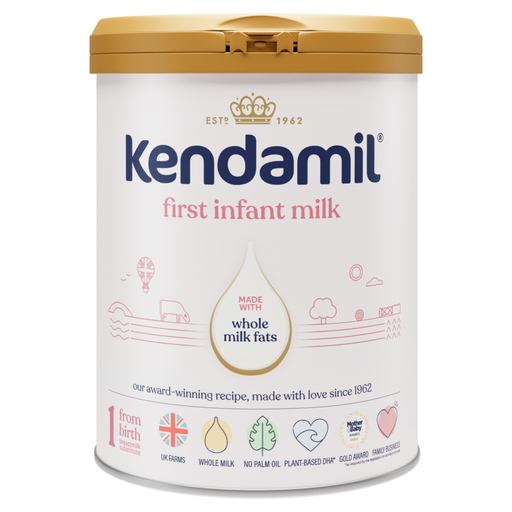
Why This Fits Their Persona: A larger powder tin can suit families planning regular feeds at home and comparing pack size with preparation routines.
It presents clear preparation, storage and ingredient information rather than relying only on broad lifestyle claims.
800g format; whole milk ingredients; plant-based DHA; vegetarian and Halal certification stated in the product information.

Why This Fits Their Persona: Suitable for parents who prioritise certified organic ingredients and want a clearly specified powder format for home preparation.
The organic status and preparation requirements are stated separately, helping shoppers avoid confusing ingredient preference with feeding convenience.
Organic whole milk listed; no palm oil or fish oil; 800g tin with internal scoop leveller.
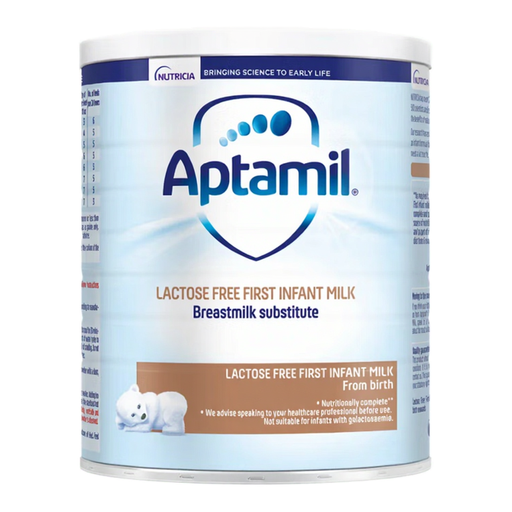
Why This Fits Their Persona: Intended for families whose baby has a diagnosed or professionally assessed lactose-related feeding requirement.
It is clearly identified as a food for special medical purposes, so it should not be selected merely because “lactose-free” sounds gentler.
Suitable from birth as stated; 400g powder tin; includes a levelling scoop for measured preparation.
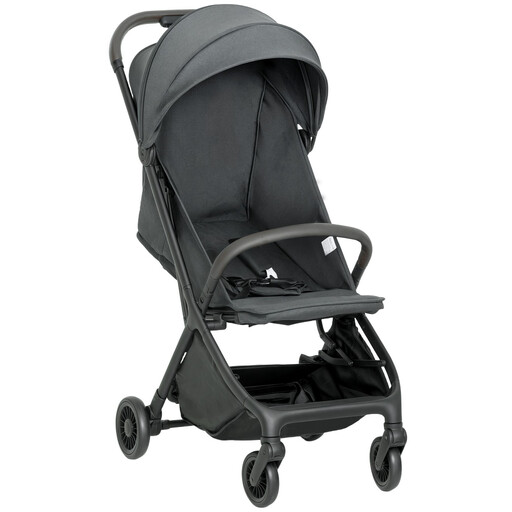
Why This Fits Their Persona: A practical option for parents navigating car boots, pavements, shops and short trips with a child from birth to 36 months.
Its stated 6.3 kg weight and folded dimensions make portability easier to assess than vague “travel-friendly” wording.
115–170° backrest recline; single-hand fold; five-point harness; four-wheel suspension; 15 kg maximum load.
A flexible list may include:
For example, the Chicco Easy Fit Carrier is specified for parent-facing use from birth, while the Momcozy M5 wearable pump includes 17 mm, 19 mm, 21 mm and 24 mm shield sizes. These details matter more than appearance when choosing baby feeding products.
We have compiled a complete, real-time list of products that fully satisfy these strict selection criteria and UK safety regulations.
Most families consider a safe sleeping space, suitable clothing, nappies, feeding equipment, a pushchair or carrier, bathing supplies and basic healthcare items. Formula, pumps and bottle quantities depend on whether you breastfeed, bottle-feed or combine both.
Ready-to-feed formula often costs more per feed because it is pre-prepared and packaged for convenience. Powder may be more economical for regular home use, but it requires sterilised equipment, accurate measuring and safe preparation. Compare the cost against the time and storage convenience you need.
Lifespan depends on condition, weight limits and manufacturer instructions. Stop using a carrier, pushchair, bath support or pump if it is damaged, cracked or no longer fits correctly. Check harnesses, brakes, buckles, seals and silicone parts regularly, and replace consumable pump components when recommended.