
24/7 Customer Support

Free returns

Same-day & Next-day Delivery

Quality Guaranteed

Unlock Your Welcome Offers: FREE Delivery | Up to 80% OFF | Free 30-day JoyPlus trial
Download the APP
Preparing for a new arrival is an exciting time, but navigating the world of baby essentials can feel overwhelming. With endless marketing claims and conflicting advice, it is easy to end up with products that are unsuitable, underused or simply a waste of money. As a Joybuy Product Recommendation Officer, my role is to help you filter the noise and focus on what truly matters for you and your baby.
This guide cuts through the hype to highlight common purchasing pitfalls and explains the key features to look for in core baby care products.
Before filling your basket, be aware of these frequent mistakes that many new parents in the UK make:
To make informed choices, focus on these three non-negotiable parameters for essential baby changing supplies.
A nappy is more than just an absorbent pad; its construction directly impacts your baby's comfort and skin health.
Not all wipes are created equal. The two most important factors are the material and the liquid solution.
Muslin squares are one of the most versatile eco-friendly baby products you can own. Their usefulness depends entirely on the fabric.
Instead of a generic list, here are a few recommendations matched to different needs and priorities.

Why This Fits Their Persona: This is a no-fuss, reliable choice for daily use. It focuses on the essentials: being gentle on the skin and better for the environment, without a premium price tag. It's a smart starting point for parents building their changing station.
It sidesteps the "vague eco-label" trap by being explicitly plastic-free and made from plant fibres. It also avoids the "cute design" trap by prioritising a hypoallergenic, fragrance-free formula over aesthetics.
Dermatologically tested and paediatrician-endorsed for sensitive skin. The plant-based fibres offer a sustainable option for daily nappy changes.
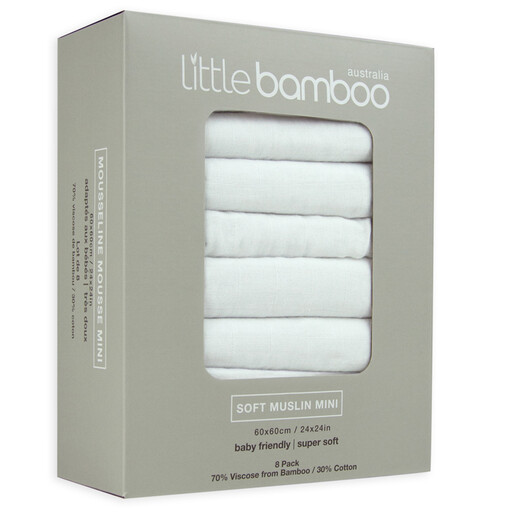
Why This Fits Their Persona: This product aligns perfectly with a desire for sustainable, multi-purpose items. The blend of bamboo viscose and cotton comes from renewable resources, and their versatility reduces the need to buy multiple single-use products.
This is a genuinely eco-friendly baby product. It avoids the "one-size-fits-all" checklist trap by being a highly versatile item that can be used as a burp cloth, light blanket, change mat and more, ensuring it will not go to waste.
The 70% bamboo viscose blend provides a silky-soft feel and excellent moisture-wicking properties. Bamboo is also a sustainable resource that requires minimal water to grow.
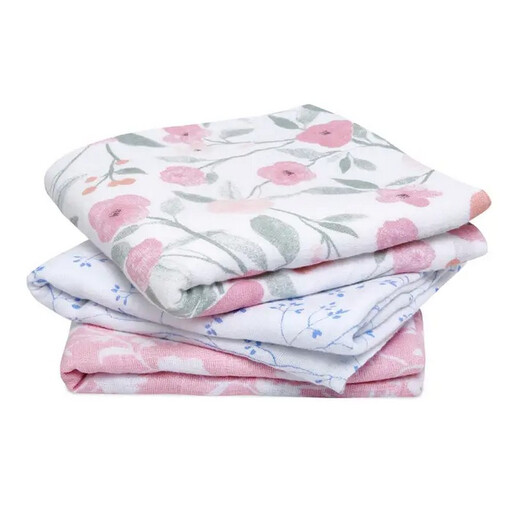
Why This Fits Their Persona: When looking for **baby shower gifts UK**, presentation and quality are key. This set combines a well-regarded brand with a premium feel and stylish design, making it a gift that is both beautiful and genuinely useful for new parents.
This product successfully avoids the "cute design" trap by backing up its attractive pattern with superior quality. It is 25% thicker than many standard muslins, offering enhanced durability and absorbency.
The pre-washed 100% cotton muslin is exceptionally soft from the first use. The higher thread count and generous 70cm x 70cm size make it highly absorbent and versatile.
We have compiled a complete, real-time list of products that fully satisfy these strict selection criteria and UK safety regulations.
A newborn can go through 10-12 nappies a day in the first month. This number typically decreases to around 6-8 per day as they get older. To avoid overbuying one size, it is wise to purchase one or two smaller packs of newborn nappies (e.g., Size 1) and have the next size up (Size 2) ready.
Neither is definitively "better," as they offer different benefits. Bamboo muslin squares are often praised for their silky softness, breathability and moisture-wicking abilities, making them excellent for sensitive skin. High-quality cotton muslins, especially those with a higher thread count, can be more durable and absorbent, making them great for cleaning up spills. The choice often comes down to personal preference for texture and primary use.
For sensitive skin, the key is to look for what is not in the wipe. Opt for formulas that are fragrance-free, alcohol-free and hypoallergenic. A high percentage of purified water is a good indicator of a gentle product. Look for wipes that are explicitly labelled as plastic-free and made from soft, plant-based fibres to minimise physical irritation.