
24/7 Customer Support

Free returns

Same-day & Next-day Delivery

Quality Guaranteed

Unlock Your Welcome Offers: FREE Delivery | Up to 80% OFF | Free 30-day JoyPlus trial
Download the APP
Navigating the world of baby essentials can feel overwhelming. As a new or expectant parent, you are faced with a sea of products, all claiming to be indispensable. The reality is that many items are over-marketed, while others have hidden flaws that only become apparent after a few weeks of use. As the Joybuy Product Recommendation Officer, my role is to help you identify what truly matters, so you can make practical choices for your family.
Before you start adding to your basket, let's look at a few common pitfalls that can lead to wasted money and frustration:
To avoid these traps, focus on a few core parameters. These are the non-negotiable details that determine a product's true utility and safety.
The terms baby formula and infant milk are often used interchangeably, but the specific stage is critical. UK guidelines are clear, and products are formulated to meet the nutritional needs of different age groups.
Always check the age guidance on the packaging, such as on Cow & Gate products, to ensure you are providing the appropriate nutrition.
A baby's skin is significantly more delicate than an adult's. When selecting a laundry liquid, the distinction between bio and non-bio is important.
For electronic items like a portable bottle warmer, the specifications tell the real story.
Instead of a generic list, we have matched some practical products to the specific needs of different parents.
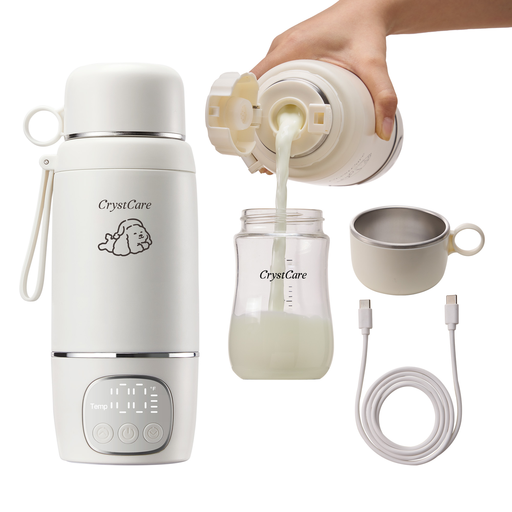
Why This Fits Their Persona: This is for the parent who needs to be out and about without being tied to a plug socket. It is ideal for day trips, car journeys or visiting friends, ensuring a warm feed is always ready without the stress of finding a kitchen.
It directly counters the impractical "all-in-one" trap. Instead of being a bulky kitchen unit, its large 16000mAh battery and cordless design provide genuine portability and freedom.
The combination of high power (80W for fast heating) and a large capacity battery makes it a practical tool, not a gimmick. The 500ml capacity is enough for a full day's needs.
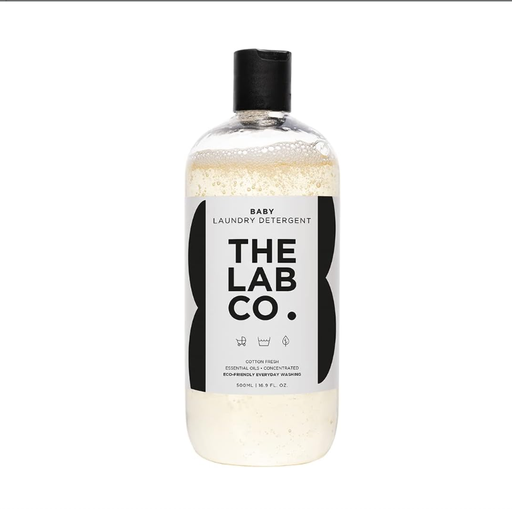
Why This Fits Their Persona: This is for the parent who prioritises gentle care and is cautious about potential skin irritants. They read labels carefully and want peace of mind that their baby's clothes, bedding and muslins are free from harsh chemicals.
It avoids the "gentle marketing" trap by being transparent. It is a non-bio formula, meaning it is free from enzymes and uses plant-based ingredients, which are verifiable facts, not just marketing claims.
The formula is specifically designed for sensitive skin and is effective at removing common baby stains like milk and spit-up. It is also suitable for all washing machines and cold washes.
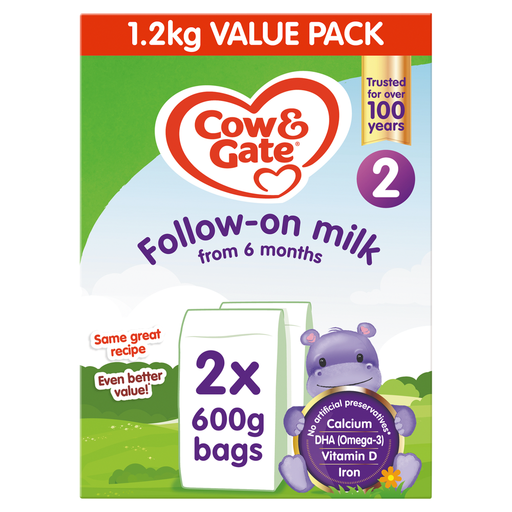
Why This Fits Their Persona: This is for the parent whose baby is approaching or has passed the six-month mark. They are starting to introduce solid foods and are looking for the correct milk to complement their baby's changing nutritional needs.
This product avoids the "stage-specific" trap by being correctly positioned. It is not a short-term gimmick but a nutritionally appropriate product for the 6-12 month weaning period, clearly labelled as follow on milk.
It is enriched with key nutrients for this stage, including Iron to support normal cognitive development and Vitamin D for bones. The formula is also made without palm oil.
We have compiled a complete, real-time list of products that fully satisfy these strict selection criteria and UK safety regulations.
The primary difference is the presence of enzymes. Biological (bio) detergents contain enzymes that are very effective at breaking down protein- and fat-based stains. Non-biological (non-bio) detergents do not contain these enzymes. For babies, especially newborns or those with sensitive skin, non-bio is often recommended as it removes a potential source of skin irritation while still cleaning effectively.
Yes, you can generally use both formats of the same formula stage (e.g., Cow & Gate First Infant Milk). Ready-to-use liquids are very convenient for travel or night feeds as they require no preparation. Powdered formula is more economical for everyday use at home. Always follow the preparation and storage instructions for each format, as they differ.
First infant milk is nutritionally complete and is the only formula your baby needs for the first six months of life. It can continue to be used as their main milk drink until they are 12 months old. After six months, it is used alongside a varied weaning diet. You do not need to move on to follow-on milk if you prefer to continue with first infant milk.