
24/7 Customer Support

Free returns

Same-day & Next-day Delivery

Quality Guaranteed

Unlock Your Welcome Offers: FREE Delivery | Up to 80% OFF | Free 30-day JoyPlus trial
Download the APP
As a new or expectant parent, the world of baby essentials can feel overwhelming. Shelves are packed with products all claiming to be indispensable. But which ones will genuinely make your life easier and which are just clever marketing? Many parents find themselves with a cupboard full of unused gadgets, bought in a flurry of preparation.
From my work as a Joybuy Product Recommendation Officer, I've seen the common purchasing pitfalls that lead to wasted money and frustration. Before you start adding to your basket, let's look at a few frequent traps to avoid.
To make informed choices, focus on a few core parameters rather than marketing buzzwords. These are the non-negotiables for any product that will come into contact with your baby.
Your baby will inevitably chew on, suck and explore their feeding equipment with their mouth. It is crucial that these items are made from safe, non-toxic materials. Always check that products are explicitly labelled as BPA-free, BPS-free and Phthalate-free. These industrial chemicals have been a concern for their potential effects on development. In the UK, look for products that comply with key safety standards, such as EN 14350 for drinking equipment and EN 1400 for soothers, which regulate chemical safety and physical durability.
A product's practicality is measured by how easy it is to maintain. Before buying, consider how many parts it has. Can it be quickly disassembled and reassembled? Is it dishwasher-safe (top rack)? For sterilisation, you have several options. Steam sterilisers are popular, but don't discount the convenience of cold water sterilising tablets, which are perfect for travel or for items that cannot be heated. A product with fewer, simpler parts will save you valuable time and effort.
Products are designed for specific developmental stages for a reason.
Instead of a generic list, we've matched some standout products to the specific needs of different parents.
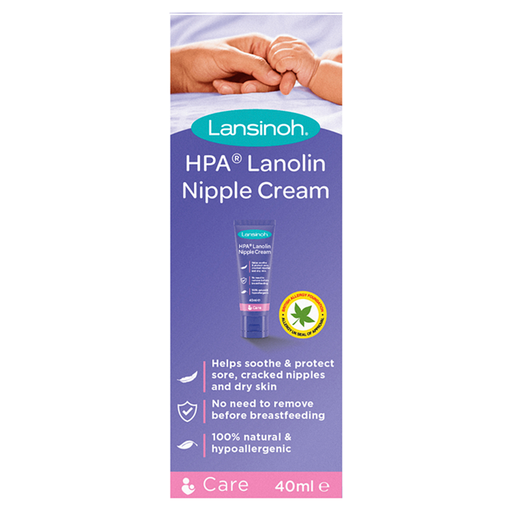
Why This Fits Their Persona: For new mums in the UK starting their breastfeeding journey, nipple soreness can be a significant and unexpected challenge. This cream directly addresses that discomfort, providing relief that supports a more positive early feeding experience. It's a targeted solution for a very common problem.
This avoids the "all-in-one kit" trap by being a single, highly effective product. Instead of a bundle of generic breastfeeding supplies, you get one item that does its job exceptionally well, without waste.
It is made of 100% pure, natural HPA lanolin, meaning there is no need to remove it before breastfeeding. This convenience is a huge benefit for tired parents.
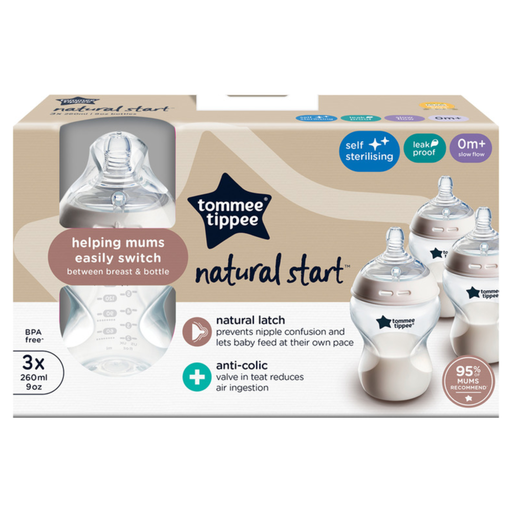
Why This Fits Their Persona: For parents who are combination feeding or exclusively bottle-feeding, finding a bottle that the baby accepts and that doesn't cause discomfort is paramount. This bottle's design focuses on mimicking a natural latch, making it a reliable starting point for many UK families.
It sidesteps the "over-engineered" trap. The anti-colic system is an integrated valve in the teat, not a complex multi-part straw system. It disassembles into just three simple pieces, making cleaning and assembly straightforward.
The soft silicone teat is shaped to flex and stretch like a breast, which can help with a smooth transition between breast and bottle. The wide neck also makes it easy to clean.
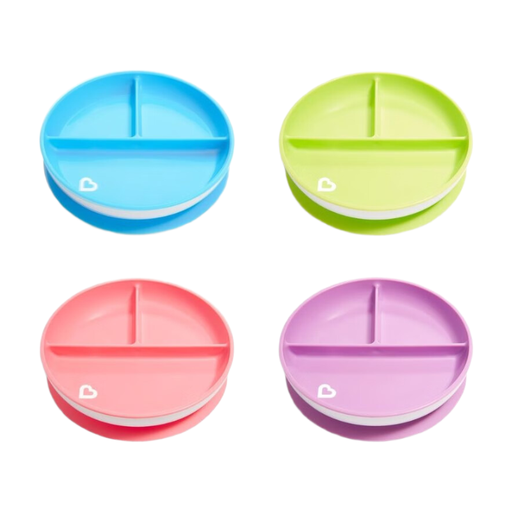
Why This Fits Their Persona: As babies enter the weaning stage, mealtimes can become messy. A common frustration for UK parents is the "plate-on-the-floor" game. This product is for the parent who wants to encourage self-feeding while minimising the clean-up, making it a core part of their weaning essentials.
This plate focuses on a simple, mechanical solution to a real problem. It avoids gimmicky features and instead provides a strong suction base that works, directly countering the issue of babies throwing their plates.
The powerful suction base adheres firmly to high chairs and tables, while the three deep sections are perfect for keeping foods separate and helping with portion control.
We have compiled a complete, real-time list of products that fully satisfy these strict selection criteria and UK safety regulations.
For hygiene and safety, teats should be replaced approximately every two months, or sooner if you see any signs of damage like tears, bite marks or changes in shape. The bottles themselves are more durable, but should be replaced immediately if you notice any cracks, chips or discolouration.
A sippy cup typically has a spout and requires the child to tip the cup to drink, which is a good first step away from a bottle. A straw cup encourages a different type of oral motor skill, where the child sips up through the straw without tipping. Many child development professionals suggest straw cups can be beneficial for speech development. The right choice often depends on your child's preference and developmental stage.
Yes, when used according to the manufacturer's instructions, cold water sterilising tablets are a highly effective, hospital-grade method for killing 99.9% of germs. The solution typically sterilises items in 15 minutes and remains effective for 24 hours, allowing you to add and remove items as needed. They are an excellent, low-cost option and particularly useful for travel or for sterilising items that are not heat-safe.