
24/7 Customer Support

Free returns

Same-day & Next-day Delivery

Quality Guaranteed

Unlock Your Welcome Offers: FREE Delivery | Up to 80% OFF | Free 30-day JoyPlus trial
Download the APP
Choosing baby feeding and breastfeeding essentials can become confusing when product packaging focuses on terms such as “natural”, “anti-colic” or “breast-like”. The right choice depends less on broad marketing language and more on compatibility, flow rate, materials and how the item fits your feeding routine.
This guide covers the main pitfalls for UK parents and carers, including baby bottle teats, replacement options, breastfeeding nipple shields and nipple care products.
Bottle teats are not universally compatible. A teat may look similar but fail to seal correctly, leak or sit unevenly in the screw ring. Always check the bottle manufacturer, range and neck design before ordering replacement bottle teats.
For example, the MAM teats listed below are designed for MAM bottles, while Tommee Tippee Closer to Nature variflow teats are intended for Tommee Tippee Natural Start bottles. A lower price is not useful if the replacement part cannot be fitted securely.
Age guidance is useful, but it is not the only consideration. Babies develop at different rates, and a faster flow may be unsuitable if your baby coughs, gulps, leaks milk or becomes unsettled during feeds. Conversely, a teat that is too slow may collapse, frustrate your baby or lengthen feeds.
Use age ranges as a starting point, then observe your baby’s feeding rhythm. Options include newborn variflow teats, medium-flow teats and fast-flow teats, but the correct rate should match your baby’s behaviour as well as the packaging.
Anti-colic valves are designed to manage air movement during feeding, but they cannot guarantee that a baby will not experience wind or discomfort. The valve must be kept clear, correctly assembled and checked before use. Feeding position, pace and preparation can also affect how much air a baby swallows.
Do not enlarge a teat opening yourself. If the flow is no longer suitable, replace it with the correct product rather than modifying it.
Check the product description for the exact bottle range. Also confirm whether the teat is sold as a single replacement, a two-pack or a larger multipack. Keeping a spare can be practical for nursery bags and overnight feeds, but buying several incompatible teats creates unnecessary waste.
For daily use, look for clear material information such as BPA-free baby feeding products and, where relevant, latex- and phthalate-free construction. Silicone is widely used for teats because it is flexible and can be sterilised according to the manufacturer’s instructions.
Products should be cleaned and sterilised before first use and after feeding, following the supplied directions. Inspect teats by gently pulling them in different directions before every feed. Replace them immediately if they show cracking, thinning, stickiness, tearing, bite marks or other weakness. Many product instructions also recommend routine replacement every one to two months.
UK feeding equipment should be used in line with its instructions and relevant requirements, including EN 14350 where stated by the manufacturer. Always check milk temperature, supervise feeds and never use a feeding teat as a soother.
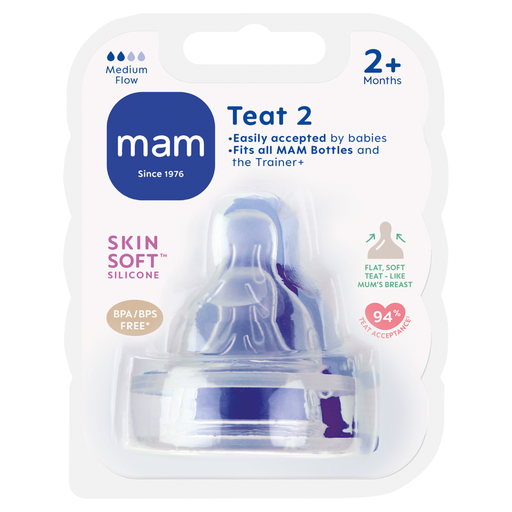
Why This Fits Their Persona: A practical option for families already using MAM bottles and moving beyond the newborn stage.
The 2+ months guidance and MAM-only compatibility make it easier to check suitability before purchase rather than relying on appearance alone.
SkinSoft silicone, medium flow and an integrated air valve; the material is listed as BPA/BPS-free.
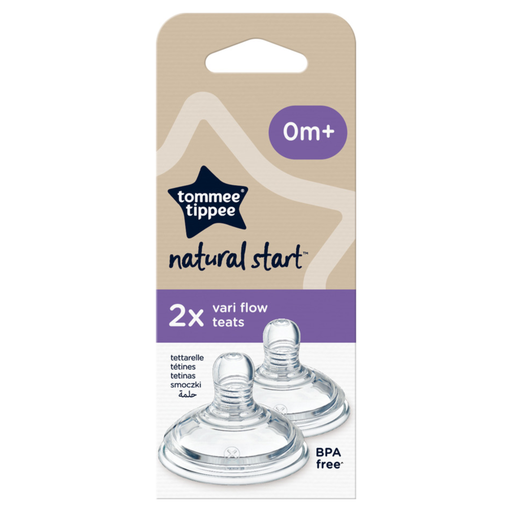
Why This Fits Their Persona: Useful for families wanting one teat design that can adapt as feeding develops from birth onwards.
The X-shaped variflow opening avoids choosing a fixed fast-flow teat too early, while the bottle compatibility is clearly specified.
Soft BPA-free silicone, a wide latch area and a built-in anti-colic valve.
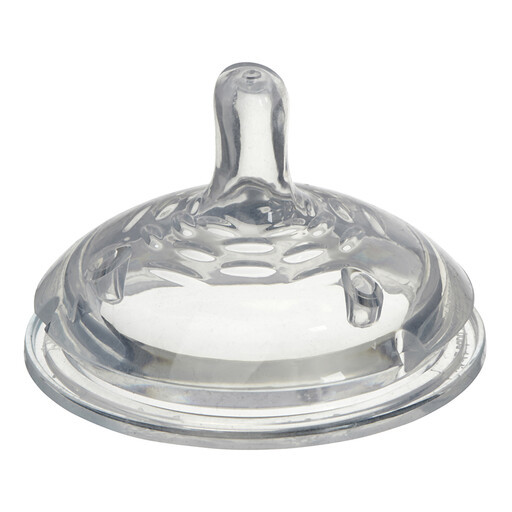
Why This Fits Their Persona: A larger pack suits families using bottles frequently or wanting several replacements available at home and in changing bags.
The fast-flow label makes the intended use clear, helping prevent it being selected for a newborn simply because the multipack appears economical.
FlexZone movement, a flattened breast-like shape and triple anti-colic valves; the silicone is listed as BPA-, latex- and phthalate-free.
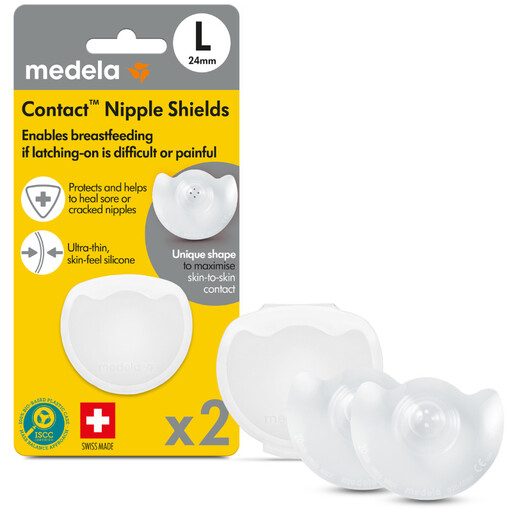
Why This Fits Their Persona: Designed for breastfeeding mothers who need temporary support with attachment or sensitive nipples.
The shield is described for specific latching situations rather than as a permanent replacement for direct breastfeeding. Guidance from a lactation consultant or healthcare professional is advised.
Ultra-thin, soft BPA-free silicone and a shape intended to maximise skin contact.
We have compiled a complete, real-time list of products that fully satisfy these strict selection criteria and UK safety regulations.
If feeding leaves the nipple area dry or uncomfortable, a dedicated product may be more practical than a general moisturiser. Sore nipple cream, organic nipple balm and lanolin nipple cream have different ingredient profiles, so read the label carefully.
Apply only as directed and seek advice if pain, cracking, redness or irritation persists. Nipple shields should also be cleaned and sterilised as instructed, inspected before use and replaced if damaged.
Follow the product instructions, but many listed teats recommend replacement every one to two months or immediately when damage appears. Babies with teeth may cause wear more quickly, so inspect before every feed.
Usually, fast-flow teats are intended for older babies. A newborn may struggle with a quicker flow, so begin with the manufacturer’s newborn guidance and watch for coughing, gulping or milk leaking from the mouth.
They may provide temporary protection or assist with certain latching difficulties, but persistent pain should not be ignored. Check the fit and seek support from a midwife, health visitor, lactation consultant or other qualified healthcare professional.