
24/7 Customer Support

Free returns

Same-day & Next-day Delivery

Quality Guaranteed

Unlock Your Welcome Offers: FREE Delivery | Up to 80% OFF | Free 30-day JoyPlus trial
Download the APP
As your baby approaches the six-month mark, you are entering one of the most exciting stages of their first year. From the first spoonfuls of puréed pear to their determined attempts to get moving, these milestones are as significant as they are swift. Preparing for this new phase means finding the right equipment that is safe, practical and suited to your home. This guide is designed to help you navigate the key baby feeding and development essentials, focusing on the features that matter most for UK families.
Selecting the right products can feel overwhelming. To simplify your search, we have identified a few key considerations to help you find equipment that supports your baby's journey into solid foods and newfound mobility.
When introducing solids, a dedicated baby feeding chair is a non-negotiable part of your weaning essentials. Look for a model with a 5-point safety harness to keep your little one secure. As mealtimes can be messy, easy-to-clean surfaces and a removable, dishwasher-safe tray will make your life much simpler. An adjustable highchair is also a practical choice, as it can be adapted to your table height and grow with your child, offering better long-term value.
As your baby becomes more curious about the world, an activity walker can provide a safe environment for them to build leg strength and explore. A good interactive baby walker will have adjustable height settings to ensure your baby's feet are correctly positioned. For modern homes where space is often at a premium, a foldable baby walker that collapses for easy storage is ideal. The same principle applies to highchairs; a compact highchair or a portable highchair offers flexibility without cluttering your living space.
Here are our recommendations for products that balance safety, functionality and design, making them well-suited for babies from six months and beyond.
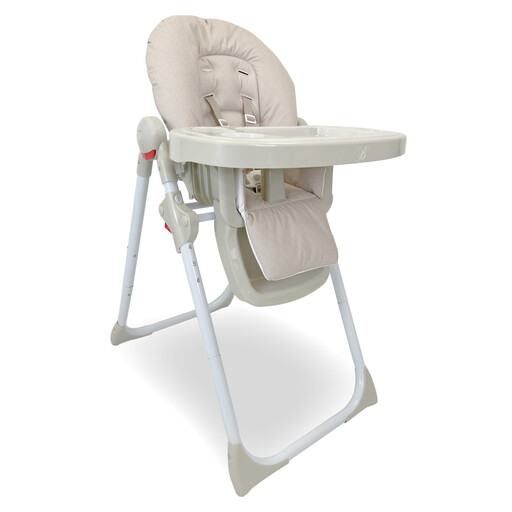
Why It Stands Out: This highchair merges sophisticated style with practical features. The oatmeal herringbone fabric and sleek frame complement modern kitchen interiors, while its versatile adjustments ensure it remains useful long after the first few months of weaning.
Pros:
Who is it for? This is an excellent choice for parents seeking a premium, adjustable highchair that doesn’t compromise on style. It’s ideal for those who want a single chair that can be used at the dining table as their child grows.
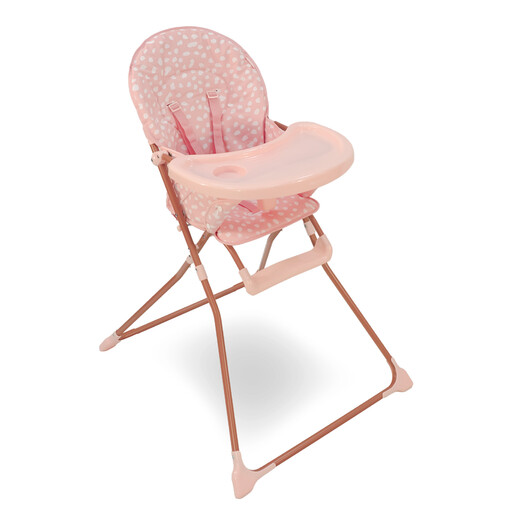
Why It Stands Out: Designed specifically for convenience and portability, this compact highchair is a standout for its ultra-lightweight frame and space-saving fold, making it perfect for smaller living areas or for taking on visits.
Pros:
Who is it for? This is the perfect portable highchair for families in flats, those with limited storage or anyone who frequently visits friends and family. Its playful Pink Dalmatian design adds a fun touch to mealtimes.
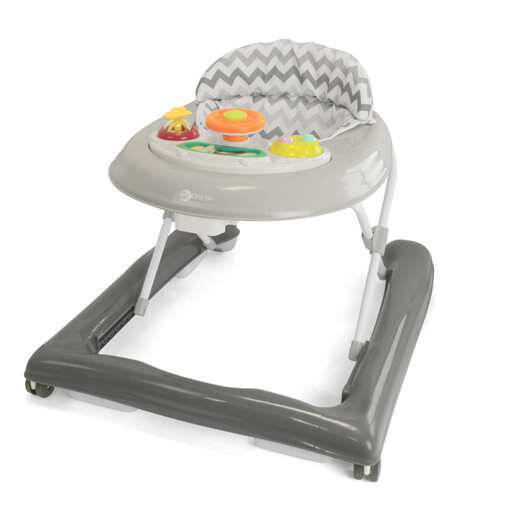
Why It Stands Out: This interactive baby walker is more than just a mobility aid; it’s a developmental play station. The detachable, space-themed toy tray provides sensory stimulation, while the walker itself helps your baby build confidence on their feet.
Pros:
Who is it for? This walker is ideal for parents looking for baby essentials for 6 months that encourage both movement and sensory development. It’s suitable for babies who can sit up unaided and provides a secure way for them to start exploring.
The journey of parenthood is filled with special moments and celebrations. If you are searching for items for another occasion, such as a baby shower or naming day, you might find the perfect present in our curated collection.
Explore our range of christening gifts for children for more inspiration.
1. When should my baby start using a highchair? You can typically start using a highchair once your baby can sit up independently and has good head control, which is usually around six months of age. This milestone often coincides with the recommended time to begin introducing solid foods.
2. Are baby walkers safe for development? Modern baby walkers sold in the UK must adhere to strict safety standards (EN 1273:2020). Look for models with features like a wide, stable base and anti-tip pads. It is crucial to always supervise your child in a walker and ensure the environment is free from hazards like stairs, steps or loose rugs. They are intended for short, supervised periods of play.
3. What are the most important baby essentials for 6 months? At six months, key essentials revolve around feeding and development. A safe and easy-to-clean baby feeding chair is vital for starting weaning. To support their growing curiosity and motor skills, an interactive baby walker or stationary activity centre can provide safe and stimulating entertainment.