
24/7 Customer Support

Free returns

Same-day & Next-day Delivery

Quality Guaranteed

Unlock Your Welcome Offers: FREE Delivery | Up to 80% OFF | Free 30-day JoyPlus trial
Download the APP
Choosing baby feeding essentials can quickly become confusing. Bottle shapes, teat flows, anti-colic valves, self-sterilising features and BPA-free materials all sound useful, but the wrong combination may leave you with leaking bottles, unsuitable milk flow or cleaning equipment that is awkward to use every day.
The most reliable approach is to match each product to your baby’s age, feeding method and your household routine rather than paying for features you may not need.
A breast-like baby bottle may support some babies during breast-to-bottle feeding, but shape and softness are not guarantees of acceptance. Babies can have different preferences, and teat flow is equally important. A fast-flow teat may be unsuitable for a newborn, while a slow flow can become frustrating for an older baby.
Check the recommended age, teat shape and flow rate before buying. For combination feeding, it can be sensible to start with a small pack rather than purchasing a large set immediately.
Anti-colic baby bottles use features such as vented bases or valves to manage air movement during feeding. These designs may help reduce air intake, but feeding position, pace, correct assembly and the individual baby also matter. Do not select a bottle based on an anti-colic label alone.
Look for clear instructions on how to position the valve and check that the teat does not collapse during feeding.
A bottle may appear inexpensive until you need additional replacement bottle teats, specialist brushes or separate sterilising equipment. Narrow-neck bottles can also take longer to clean thoroughly.
Before purchasing, check whether the bottle is compatible with a dishwasher, microwave or steriliser, and whether replacement teats are readily available. Feeding equipment should be inspected regularly and discarded when cracked, weakened, sticky or otherwise damaged.
Newborn feeding products often include bottles around 150–160ml with a slow-flow teat. Larger 240–340ml baby bottles may suit growing appetites, but capacity should not be confused with the amount your baby must drink.
Choose a bottle with clearly marked measurement lines and check the manufacturer’s age guidance. A wider neck can make filling and cleaning easier, while a compact bottle may be more comfortable for smaller feeds or travel.
Most modern bottle teats are made from silicone. Check for BPA-free baby feeding products, and review the full material information rather than relying only on front-of-pack wording. Some products also specify that they are free from BPS, latex or phthalates.
Flow options may include slow, medium, fast or variable flow. Variflow designs use an opening that allows the baby’s sucking pressure to influence the flow, but correct positioning remains important. Replacement teats must fit the exact bottle range; similar-looking components are not necessarily interchangeable.
For products sold as drinking equipment, check the manufacturer’s stated compliance information, such as EN 14350, where applicable. Always follow the supplied cleaning, sterilising and replacement instructions.
A practical setup normally includes:
Microwaves can create hot spots, and heated milk should always be mixed and temperature-checked before feeding. Water-bath warmers require water and should never be operated dry. Portable models also need safe charging, capacity checks and careful handling when hot.
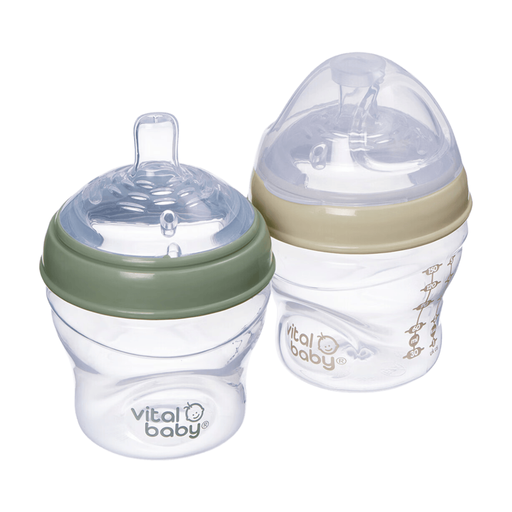
Why This Fits Their Persona: A compact twin pack for families starting combination feeding or preparing newborn supplies without immediately buying large-capacity bottles.
The slow-flow teat and 0+ months guidance make the intended stage clear, while the triple-valve design gives buyers a defined feature to assess rather than relying on vague anti-colic wording.
150ml capacity, breast-like FlexZone teat, microwave self-sterilising bottle body and BPA-, latex- and phthalate-free materials.
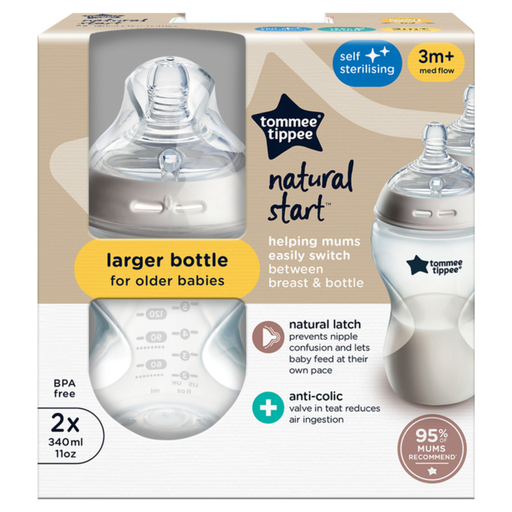
Why This Fits Their Persona: Suitable for households wanting larger bottles with a breast-like teat, anti-colic valve and a self-sterilising function built into the bottle design.
The pack states its 340ml capacity and 3+ months suitability, helping prevent the common mistake of buying a large bottle for a newborn. Microwave instructions also specify 50ml of water and a three-minute cycle.
Two 340ml bottles, medium-flow teats, integrated anti-colic valve and BPA-, BPS- and phthalate-free polypropylene components.

Why This Fits Their Persona: Useful for families washing bottles, pump parts, straws and small feeding accessories at home, in a nursery or while travelling around the UK.
Instead of using one oversized brush for every component, it includes separate bottle, teat and straw brushes, plus a foldable drying rack to support complete air-drying.
Seven-piece format, food-grade silicone brush heads, BPA-free plastic, foldable drying rack and waterproof storage case.
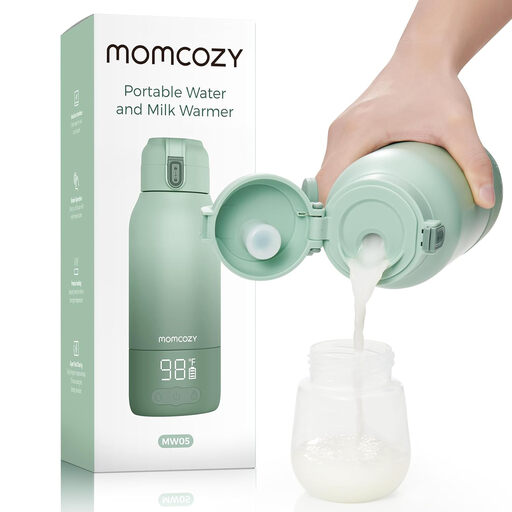
Why This Fits Their Persona: Designed for parents who regularly travel, make long car journeys or need a cordless warming option away from a kitchen.
The stated 500ml capacity, battery cycle information and separate breast milk and water modes make portability easier to assess before purchase.
Cordless operation, 500ml leak-proof capacity, 18V/2A/36W charger and warming modes for water or breast milk.
We have compiled a complete, real-time list of products that fully satisfy these strict selection criteria and UK safety regulations.
There is no single required number. A small starter supply may work for parents washing bottles after every feed, while several bottles can reduce washing frequency during busy days. Consider how often you can clean and sterilise equipment, whether you are combination feeding and whether you need separate bottles for childcare or travel.
Follow the product instructions and inspect teats before every use. Many manufacturers recommend replacing them approximately every one to two months, or immediately if they become cracked, weak, sticky or damaged. A change in flow requirement may also mean moving to a different teat size rather than simply continuing with the original one.
Not necessarily. A bottle steriliser or approved sterilising method is part of maintaining feeding hygiene, but a warmer is a convenience item. Some families prefer a warm-water method, while others value the consistent settings of an electric warmer or the flexibility of a portable bottle warmer. Choose according to your feeding routine, available space and travel needs rather than treating every appliance as essential.