
24/7 Customer Support

Free returns

Same-day & Next-day Delivery

Quality Guaranteed

Unlock Your Welcome Offers: FREE Delivery | Up to 80% OFF | Free 30-day JoyPlus trial
Download the APP
Navigating the world of baby products can feel overwhelming, especially when it comes to feeding. From the first days with a newborn to the exciting milestone of introducing solid foods, the choices are endless. This guide is designed to cut through the clutter, offering a straightforward look at the baby feeding essentials that can support you and your little one through each stage. We will focus on safety, convenience and practicality to help you build a feeding toolkit that works for your family.
Before you start adding items to your basket, it helps to have a clear idea of what to look for. Here are a few key considerations for selecting your baby feeding equipment.
When choosing any item that will come into contact with your baby's food, safety is paramount. In the UK, look for products that are explicitly labelled as BPA-free. Bisphenol-A (BPA) is a chemical that has been widely phased out of baby products due to health concerns. Opt for items made from food-grade silicone, glass or BPA-free plastic. This applies to everything from bottle feeding equipment to reusable food pouches.
Your daily routine will heavily influence your needs. If you plan to breastfeed, high-quality breast milk storage bags are essential for building a freezer stash. For formula feeding, you’ll need reliable bottles and a supply of newborn baby formula. As you approach the six-month mark, you’ll start thinking about baby weaning supplies. A homemade baby food maker can be a cost-effective and healthy option, especially when paired with pouches for on-the-go meals.
A baby's nutritional needs change rapidly in the first year.
Based on functionality, safety and user-friendliness, here are some standout products to consider for your baby feeding journey.
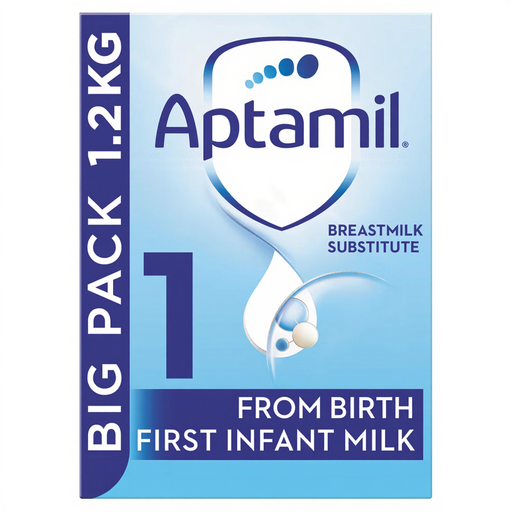
Why It Stands Out: This formula is designed to be nutritionally complete, making it suitable as the sole source of nutrition from birth for bottle-fed or combination-fed babies. The "Bag in Box" format, containing two 600g sealed bags, is a practical design that helps maintain freshness while providing a larger supply.
Important Information: Breastfeeding is best. Infant milk is suitable from birth when babies are not breastfed and should only be used on the advice of a doctor, dietitian, pharmacist or other professional responsible for maternal and child care.
Pros:
Who is it for? Parents seeking a nutritionally complete first infant milk for babies from birth, whether for exclusive bottle-feeding or to supplement breastfeeding.
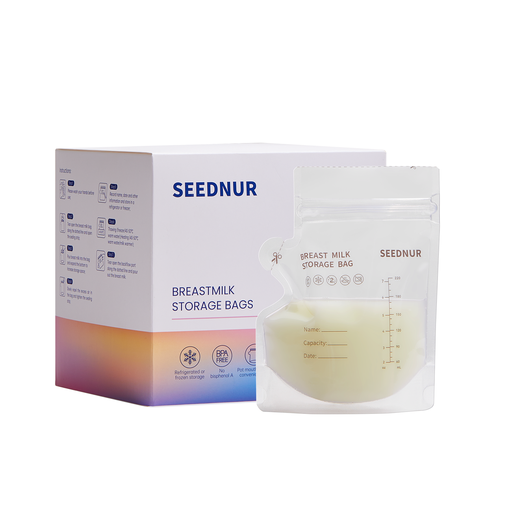
Why It Stands Out: These pre-sterilised milk freezer bags are built for reliability. Made from durable, double-layered material with a double zipper seal, they are designed to prevent leaks in the fridge or freezer. The thoughtful design includes a wide opening for easy filling and a special flow-guiding incision for mess-free pouring.
Pros:
Who is it for? Breastfeeding mothers who need a large supply of dependable storage bags for refrigerating or freezing expressed milk, with a focus on hygiene and ease of use.
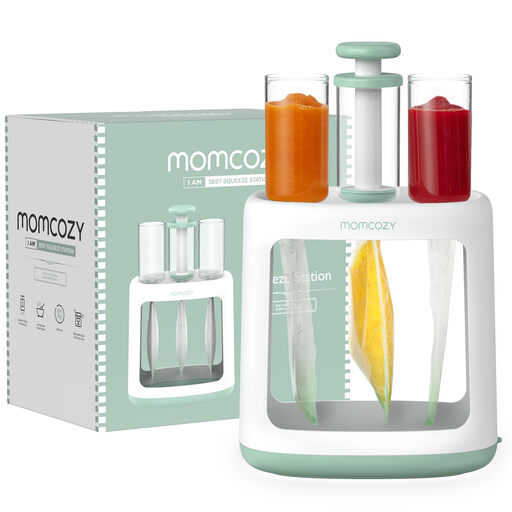
Why It Stands Out: This squeeze station simplifies the process of making your own baby food. Its integrated, all-in-one design allows you to fill reusable pouches with homemade purees, yogurts or smoothies with minimal mess. It’s a practical tool for parents who want control over their baby’s diet during the weaning stage.
Pros:
Who is it for? Parents who are starting their baby on solid foods and want a simple, efficient way to prepare and store homemade meals for feeding at home or on the go.
As your baby grows and you start venturing out more with your prepared meals and feeding supplies, having the right bag to carry everything becomes essential. For durable and practical options designed to hold bottles, pouches and snacks, you might want to explore our collection of toddler bags.
1. What basic equipment do I need for bottle feeding a newborn? For bottle feeding, you will need several sterilised bottles and teats, a supply of your chosen first infant milk or expressed breast milk and bottle cleaning brushes. A bottle steriliser (steam or cold water) is also a key piece of bottle feeding equipment to ensure hygiene.
2. When should I start buying baby weaning supplies? The NHS generally recommends introducing solid foods at around 6 months of age. You can start gathering baby weaning supplies a few weeks beforehand. Key items include a high chair, soft-tipped spoons, bibs and simple bowls. If you plan to make your own food, a blender or a dedicated homemade baby food maker will be useful.
3. How should I safely store expressed breast milk? Proper storage is crucial. Use sterilised containers or specialised breast milk storage bags. According to NHS guidelines, freshly expressed milk can be stored for up to 5 days in a fridge at 4°C or lower, or for up to 6 months in a freezer at -18°C or lower. Always label bags with the date of expression.