
24/7 Customer Support

Free returns

Same-day & Next-day Delivery

Quality Guaranteed

Unlock Your Welcome Offers: FREE Delivery | Up to 80% OFF | Free 30-day JoyPlus trial
Download the APP
Choosing baby follow-on milk can feel more complicated than it should. Stage numbers, ingredient claims, pack sizes and preparation instructions all compete for attention, while the right option depends on your baby’s age, feeding routine and dietary requirements.
As the Joybuy Product Recommendation Officer, I focus on practical details rather than packaging language. This guide explains the buying traps to avoid, the specifications worth checking and a selection of products for different UK households.
Follow-on milk 6-12 months is generally labelled stage 2 and is intended for babies aged over six months as part of a mixed diet. Toddler milk 1-3 years or stage 3 growing-up milk is designed for children aged 12 months and over.
A higher stage number does not make a product suitable for a younger baby. Always match the age range on the label to your child’s current stage. Follow-on milk should not be used before six months and the decision to begin weaning should be discussed with an appropriate health professional.
A large baby formula multipack may reduce the need for frequent reordering, but it requires suitable storage and a realistic estimate of consumption. Conversely, powdered baby formula may offer better value for regular home use, while ready-to-feed baby milk can be more practical for travel, nursery drop-offs or occasional use.
Do not choose a format solely because it looks convenient. Check how quickly an opened tin or bottle must be used and whether you have enough cupboard or fridge space.
Terms such as “natural”, “gentle” or “advanced” do not tell you whether a formula matches your household’s needs. Read the ingredients and allergen information carefully. For example, goat milk formula still contains milk proteins and is not automatically suitable for a baby with a cow’s milk protein allergy.
Likewise, an organic toddler milk, Halal baby formula or no palm oil formula should be selected by checking the actual product description, certification information and ingredients rather than relying on front-of-pack wording alone.
Check whether the product is stage 2 for 6-12 months or stage 3 for 1-3 years. Powdered formula must be measured exactly according to the manufacturer’s instructions. Common ratios include one level scoop per 30ml of water, but scoop sizes vary between products.
Use the supplied scoop, level it accurately and never add extra powder to make a feed “stronger”. Follow the stated water temperature, sterilisation guidance and serving instructions.
Powdered baby formula is normally stored in a cool, dry place and should not be refrigerated. Several products in this range advise using an opened tin within four weeks, while HiPP Organic Stage 3 advises use within three weeks. Check the individual label because opening periods are not identical.
Ready-to-feed products require less preparation, but opened liquid should usually be refrigerated and consumed within 24 hours. Never microwave formula, as uneven hot spots can cause scalding. Test the temperature before feeding.
Look for the features that matter to you, such as:
Iron, vitamin D, calcium and other nutrients are commonly included in stage 2 and stage 3 formulas. These nutrients have specific permitted UK nutrition claims, such as iron contributing to normal cognitive development and vitamin D contributing to normal bone development or immune function. They do not replace a varied diet or personalised healthcare advice.
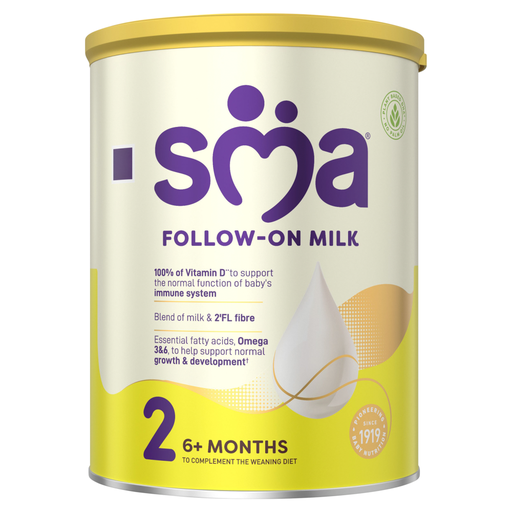
Why This Fits Their Persona: A single 800g tin is a sensible way to begin comparing stage 2 formula without committing to a four-pack.
The 6+ months label makes the age stage clear, helping avoid buying a stage 3 product too early.
The recipe is listed as Halal certified and contains no palm oil or fish oil, with DHA sourced from algae.
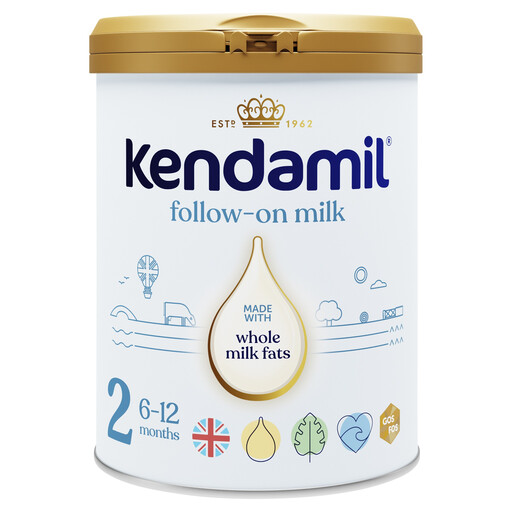
Why This Fits Their Persona: Suitable for shoppers looking for a whole-milk recipe and plant-based DHA in a stage 2 powder.
The ingredient list clearly identifies whole milk and algae-derived DHA, making the recipe easier to compare.
It is listed as vegetarian-friendly and made without palm oil, with iron and vitamin D included.
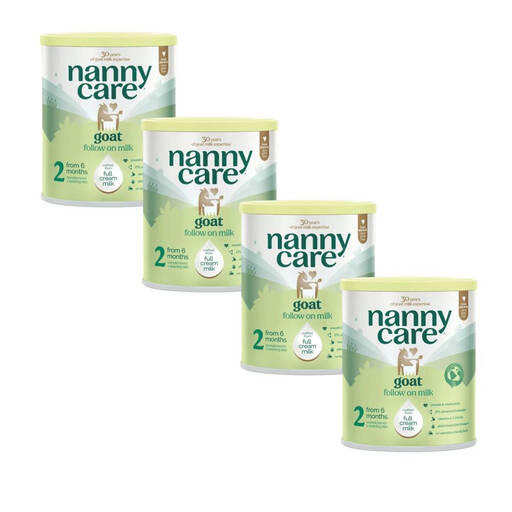
Why This Fits Their Persona: Four 800g tins suit households that already know goat milk formula is compatible with their feeding plan and want fewer repeat orders.
The product is clearly identified as stage 2 and goat milk based, while the allergen warning reminds buyers that it contains milk.
The bundle contains four 800g tins and includes DHA, iron and vitamin D in the listed formulation.
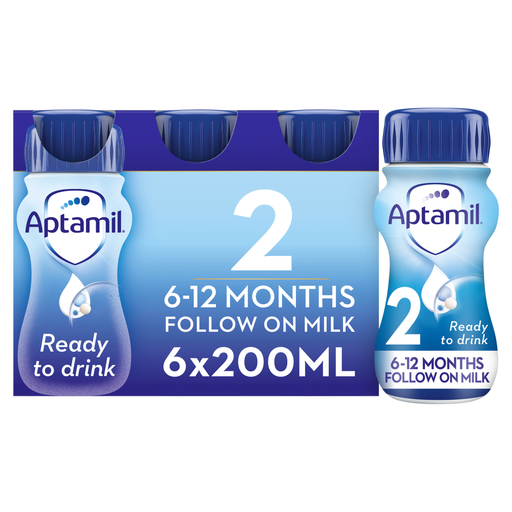
Why This Fits Their Persona: Pre-prepared 200ml bottles are useful for journeys, changing bags and days when measuring powder is impractical.
It avoids the common travel problem of carrying scoops, powder and cooled boiled water when a ready-to-feed format is more suitable.
The six-bottle multipack requires no powder mixing; opened milk should be refrigerated and used within 24 hours.
We have compiled a complete, real-time list of products that fully satisfy these strict selection criteria and UK safety regulations.
Follow-on milk is intended for babies over six months and should form part of a mixed diet alongside weaning foods. Do not introduce it before six months unless advised by a qualified health professional. Breastfeeding is best where possible and individual feeding decisions should be discussed with a midwife, health visitor, GP, pharmacist or dietitian.
This depends on the product. Many tins advise using the powder within four weeks, while some specify three weeks. Keep the container tightly closed in a cool, dry place, do not refrigerate it and always follow the instructions printed on the packaging.
The price per millilitre can be higher than powdered formula because preparation is already completed. However, ready-to-feed bottles may reduce waste for occasional feeds and can save time during travel. Compare the pack price, volume and your actual usage rather than looking only at the shelf price.