
24/7 Customer Support

Free returns

Same-day & Next-day Delivery

Quality Guaranteed

Unlock Your Welcome Offers: FREE Delivery | Up to 80% OFF | Free 30-day JoyPlus trial
Download the APP
Navigating the baby food aisle can feel like a full-time job. With shelves packed with colourful pouches, jars and snacks, all promising wholesome goodness, it’s easy to feel overwhelmed. As parents, we all want what’s right for our little ones, but the marketing messages can be confusing. Many of us have bought a product that looked perfect on the outside, only to find it rejected by our baby or, upon closer inspection, not quite what we thought it was.
Here at Joybuy, we help parents cut through the clutter. Before you fill your basket, let’s look at a few common pitfalls that can lead to wasted money and frustration.
To make confident choices, it helps to focus on a few key details beyond the front-of-pack claims. Analysing these factors will ensure you’re getting suitable and nutritious baby food for your child's specific stage.
The most reliable information is always on the back of the pack. When you’re choosing a baby puree or snack, here’s what to look for:
Matching the food's texture to your baby's eating ability is crucial for both safety and development.
The format you choose often comes down to convenience and occasion.
To help you navigate the options, we’ve matched some products to the parents and little ones they are most suited for.
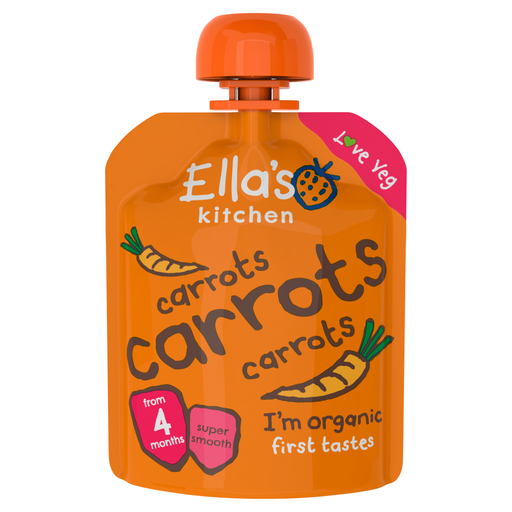
Why This Fits Their Persona: For parents just starting the weaning journey, simplicity is key. This pouch offers a single vegetable flavour, allowing you to introduce new tastes gently without overwhelming your baby's palate.
It directly counters the "fruit filler illusion" by being a single-vegetable puree. The super-smooth texture is genuinely suitable for the 4+ month stage, avoiding the texture mismatch problem.
Made with 100% organic carrots and a little water. No added sugar, salt or other ingredients, making it a straightforward choice for first tastes.
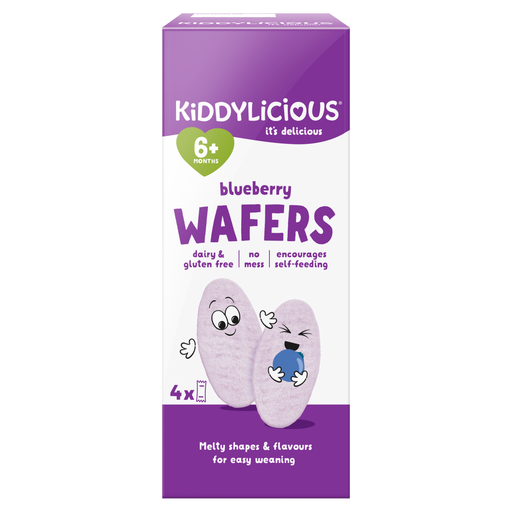
Why This Fits Their Persona: Ideal for babies developing their pincer grasp and learning to self-feed. These wafers are sized for little hands and provide a safe, enjoyable way to practise motor skills.
These wafers are specifically designed to dissolve easily, addressing parental concerns about choking hazards with harder snacks. They are also crumb-free, which means less mess to clear up.
They are free from artificial preservatives, colours and flavours. The texture is gentle on teething gums, making them a comfortable snack for babies experiencing soreness.

Why This Fits Their Persona: For parents who want to ensure their child's diet is nutritionally complete, especially during phases of fussy eating. This liquid supplement is an easy way to top up essential vitamins and minerals.
Instead of relying on fortified foods which can have variable nutrient levels, this provides a measured dose of 14 vitamins and minerals, including the government-recommended Vitamin D, to fill dietary gaps with confidence.
The liquid formula is easy to administer directly or mix with milk or juice. It is specifically formulated for infants and toddlers from 6 months to 4 years.
We have compiled a complete, real-time list of products that fully satisfy these strict selection criteria and UK safety regulations.
Once a jar or pouch is opened, any unheated food can typically be stored in the fridge for 24-48 hours. Always check the packaging for specific instructions. If you have fed your baby directly from the pouch or with a spoon that has been in their mouth, it's advisable to discard any leftovers due to the transfer of bacteria.
Organic baby food is produced without the use of synthetic pesticides and fertilisers. For many parents, choosing organic provides peace of mind that they are minimising their child's exposure to these chemicals. While nutritional content is generally comparable to non-organic versions, the primary benefit lies in the farming method.
Most babies are ready for soft, dissolvable finger foods around 7 to 9 months, once they can sit up independently and are showing an interest in self-feeding. A key sign of readiness is the development of the 'pincer grasp'—the ability to pick up small items between their thumb and forefinger. Always supervise your child while they are eating to minimise the risk of choking.