
24/7 Customer Support

Free returns

Same-day & Next-day Delivery

Quality Guaranteed

Unlock Your Welcome Offers: FREE Delivery | Up to 80% OFF | Free 30-day JoyPlus trial
Download the APP
Navigating the baby food aisle can feel like a monumental task. With shelves packed with colourful pouches, pots and snacks, all promising wholesome goodness, it's easy to feel overwhelmed. As parents, we all want to provide nutritious and safe meals for our little ones, but marketing claims can often create confusion. Many find themselves purchasing products that aren't quite right, leading to wasted food and money.
This guide, from your Joybuy Product Recommendation Officer, is here to help you cut through the clutter. We'll highlight a few common pitfalls to watch for and break down the key factors to consider, helping you choose the right baby food for every stage of your weaning journey.
Before you fill your basket, it's worth being aware of a few common traps that can catch even the most careful shopper.
To make confident choices, focus on these three practical checks. They will empower you to look past the packaging and understand what you're really buying.
The ingredients list is your most reliable source of information. Ingredients are listed by weight, from highest to lowest.
Understanding textures is crucial for helping your baby develop their chewing skills and enjoy their food.
For a complete meal, rather than just a snack, aim for a balance of macronutrients. A good baby food pouch or meal should contain:
This ensures your baby is getting a well-rounded meal, not just a sweet treat disguised as one.
To help you get started, we've matched some popular options to different parenting needs and weaning stages.
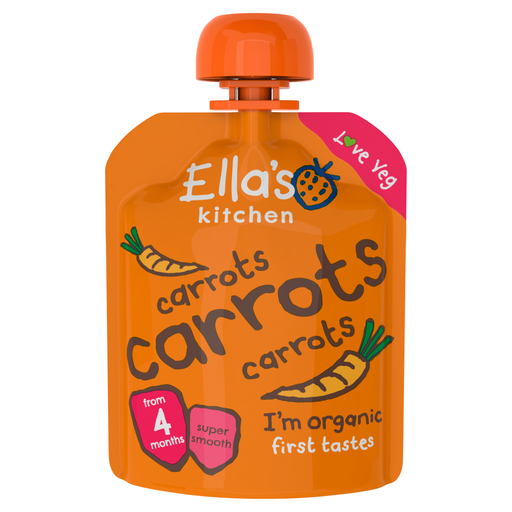
Why This Fits Their Persona: You're just starting the weaning journey and want to introduce single flavours simply and safely. This pouch is perfect for those first few spoonfuls, helping your baby get used to the idea of solid food without overwhelming their palate.
It directly counters the "hidden sugar" trap by being a single-vegetable puree. With just organic carrots and water, there are no fruit concentrates or other sweeteners, making it an ideal savoury start.
The super-smooth texture is perfect for a stage 1 baby food and the simple ingredient list helps you easily identify any potential reactions.
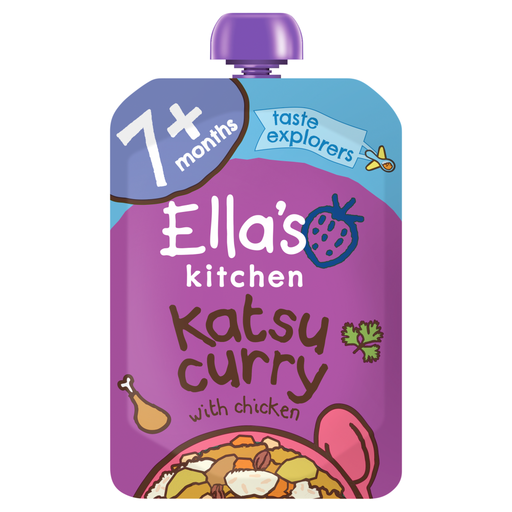
Why This Fits Their Persona: Your baby is confidently eating and you want to introduce more complex, exciting flavours. This pouch offers a gentle introduction to spices and a more substantial meal to satisfy a growing appetite.
This avoids the "organic halo" trap by being a nutritionally balanced meal. It contains protein (chicken), carbohydrates (rice) and a variety of vegetables, not just a simple fruit or veg puree.
The texture, with soft rice and vegetable pieces, is specifically designed for the 7 month baby food stage to encourage chewing without being overwhelming.
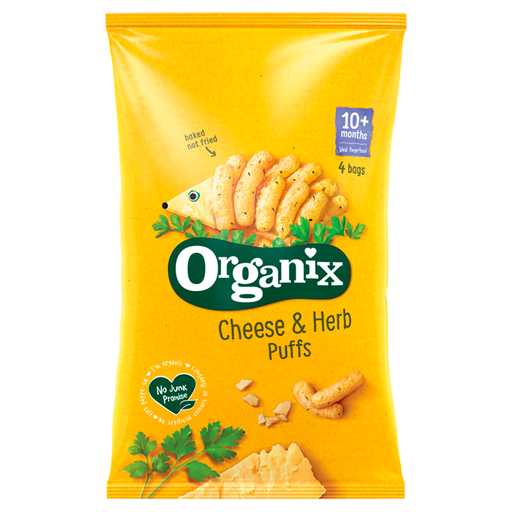
Why This Fits Their Persona: Your little one is mastering the pincer grip and you need convenient, on-the-go toddler snacks that are easy for them to handle. These puffs are perfect for encouraging self-feeding at home or out and about.
These savoury puffs help avoid an over-reliance on sweet snacks. The brand's 'No Junk Promise' means they are made without artificial additives and the salt content is appropriate for the age group.
The light, melty texture is ideal for babies learning to chew and the individual packs make them a very convenient choice for healthy baby snacks UK parents can trust on the move.
We have compiled a complete, real-time list of products that fully satisfy these strict selection criteria and UK safety regulations.
Once opened, most baby food pouches need to be refrigerated and consumed within 24 to 48 hours. Always check the packaging for specific instructions. Squeezing the contents into a separate bowl for feeding, rather than feeding directly from the spout, can help keep the remainder fresh if you don't use it all in one go.
Pre-made organic baby food and snacks are incredibly convenient for busy families and for travel. They offer a safe and simple way to introduce a variety of flavours. However, it's also beneficial to offer home-cooked meals when you can. This helps your baby get used to the textures and tastes of family foods, which can support a smoother transition to eating family meals later on. A combination of both is a practical approach for many UK households.
Most babies are ready to start exploring baby finger foods around 7 to 10 months of age, once they can sit up unsupported and have developed the pincer grip (picking things up between their thumb and forefinger). Start with soft, melty snacks like puffs or sticks that dissolve easily in the mouth. Always supervise your child while they are eating to minimise any risk of choking.