
24/7 Customer Support

Free returns

Same-day & Next-day Delivery

Quality Guaranteed

Unlock Your Welcome Offers: FREE Delivery | Up to 80% OFF | Free 30-day JoyPlus trial
Download the APP
Navigating the aisles of baby food can feel like a monumental task. With an endless variety of colourful pouches, jars and trays, all promising wholesome goodness, it’s easy to feel overwhelmed. As parents and carers in the UK, we want to make the right choices for our little ones, but marketing messages can often create more confusion than clarity.
My role as a Joybuy Product Recommendation Officer is to help you see past the hype. Many well-intentioned parents fall into a few common traps that can lead to wasted money and feeding frustrations. Let's look at the main ones to watch out for.
baby purees and snacks are packed with highly concentrated fruit juices, which means they can still contain a significant amount of naturally occurring sugar. This can lead to a baby developing a strong preference for sweet tastes, making it harder to introduce savoury vegetables and meals.organic baby food is a valid preference for many, the organic label alone isn't a guarantee of superior nutritional balance. An organic fruit pouch can still be very high in sugar, and some organic meals might not be fortified with essential nutrients like iron, which is crucial for a baby's development. It's important to look at the complete nutritional profile.weaning food journey. Offering only smooth purees for too long can delay the development of chewing skills. Conversely, providing lumpy food before a baby is ready can lead to frustration and food refusal. Matching the texture to your baby's developmental stage is key.To make a confident choice, focus on a few non-negotiable details on the packaging. This simple checklist will help you quickly assess any baby food product.
The ingredients are listed by weight, from highest to lowest. Look for products where the main ingredients are whole foods like 'Carrot', 'Chicken' or 'Apple'. If 'Water' or a filler like 'Rice Flour' is the first ingredient, the product may be less nutrient-dense. Always check the list for potential allergens, which will be highlighted in bold.
Manufacturers use stages to guide parents, and understanding them is crucial for your baby's progress.
baby purees, ideal for first tastes. The consistency is thin and easy for a baby to manage as they learn to move food from the front to the back of their mouth. This is your typical 6 month baby food.7 month baby food comes in.Toddler meals are designed to help your child transition towards eating the same food as the rest of the family.This is the most reliable way to compare products. Pay attention to the 'of which sugars' value to avoid the sugar trap and check the salt content, which should be very low. For baby cereal and meals, look for fortification with Iron to support cognitive development and Calcium for bone growth.
Based on these practical criteria, here are a few options that align with different needs and stages of the weaning journey.
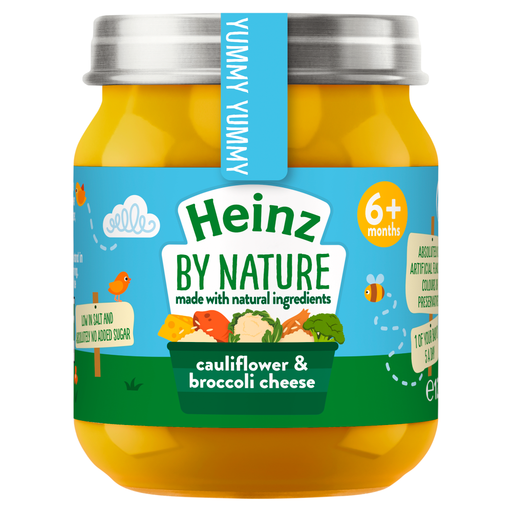
Why This Fits Their Persona: Ideal for parents starting the weaning journey who want a simple, savoury option. The familiar vegetable combination is a gentle introduction to non-fruit flavours.
This savoury puree helps avoid the "high sugar" trap by focusing on vegetables and cheese, helping to develop a broader palate. Its smooth texture is perfectly matched to the 6+ month stage.
Made with 100% natural ingredients and a creamy, smooth texture that is easy for first-time eaters. The glass jar is easy to store in the fridge after opening.
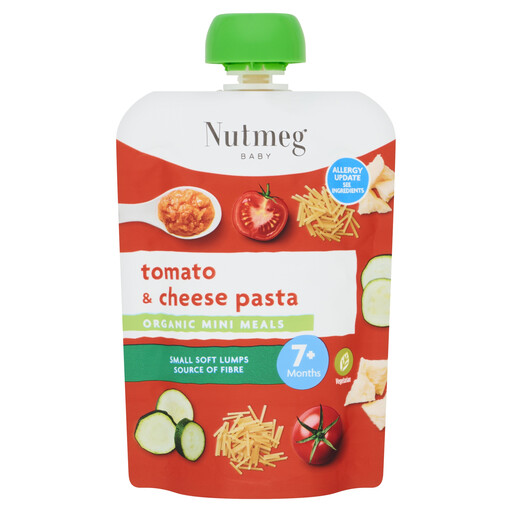
Why This Fits Their Persona: For parents whose babies are ready to move on from smooth purees. This meal introduces small, soft lumps to encourage chewing in a gentle, manageable way.
This product directly addresses the "texture timeline mismatch" by providing a Stage 2 meal. It helps babies progress their oral motor skills without the frustration of textures that are too advanced.
This organic meal features small soft lumps to help babies learn to chew. It's a source of fibre, suitable for vegetarians and comes in a convenient pouch.
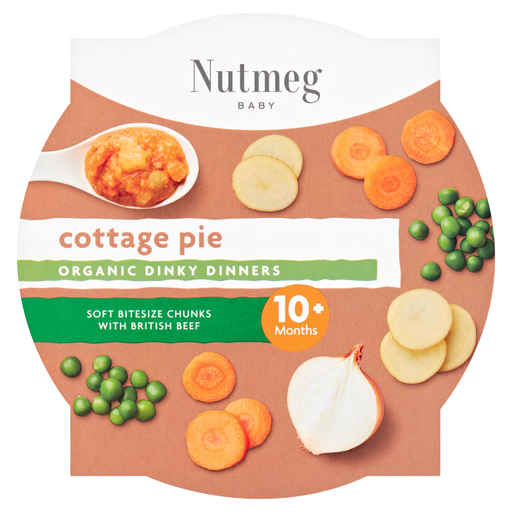
Why This Fits Their Persona: Perfect for parents of older babies and toddlers who need more substantial, textured meals. This cottage pie offers a classic, hearty flavour profile with a texture that encourages chewing.
This meal's "Soft Bitesize Chunks" are a perfect solution to the texture mismatch pitfall for this age group. The organic label is a bonus, but the real value is in the appropriate texture and balanced, savoury recipe.
An organic meal made with British beef and a variety of vegetables. It contains no added salt and the texture is specifically designed to help babies practise chewing.
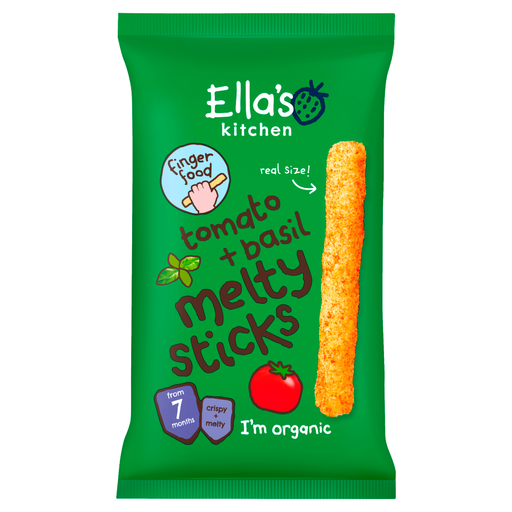
Why This Fits Their Persona: For busy parents who need convenient `baby snacks` that encourage self-feeding. These are easy for little hands to hold and help develop fine motor skills.
As a savoury snack with no added sugar or salt, it's a great alternative to sweet, fruit-based snacks. The "melty" texture is designed for this age, ensuring it dissolves easily for safer snacking.
These organic maize sticks are designed to be crispy yet dissolve easily in the mouth. They encourage self-feeding and are free from artificial ingredients.
We have compiled a complete, real-time list of products that fully satisfy these strict selection criteria and UK safety regulations.
Look for developmental cues rather than just their age. For moving from smooth purees to more textured food, signs include good head control, sitting up well when supported and starting to make 'chewing' or 'munching' motions with their gums. If they consistently push food out with their tongue (the tongue-thrust reflex), they may need more time with smoother textures. Always supervise your baby during mealtimes.
The nutritional value of baby food is determined by its ingredients, not the packaging. Both baby food pouches and jars can provide excellent, balanced nutrition. The key is always to read the ingredients list and nutritional information. Pouches offer great convenience, especially when you are out and about. Jars are often easily recyclable and can be resealed and stored in the fridge more securely once opened.
Ready-made weaning food is a safe, convenient and reliable way to introduce your baby to a wide variety of tastes and textures. It can be particularly helpful for busy parents or for ensuring nutritional balance. Using pre-made meals and baby snacks as part of a varied diet, which might also include some simple home-prepared foods, is a practical approach for many families. The main goal is to offer your baby a diverse range of flavours to help build a healthy relationship with food.