
24/7 Customer Support

Free returns

Same-day & Next-day Delivery

Quality Guaranteed

Unlock Your Welcome Offers: FREE Delivery | Up to 80% OFF | Free 30-day JoyPlus trial
Download the APP
Choosing baby formula milk in the UK can feel complicated. Tins may highlight DHA, organic ingredients, prebiotics, goat milk or “advanced” recipes, but these terms do not automatically mean a product is suitable for your child. The practical choice usually comes down to age stage, ingredients, medical requirements, pack size and preparation instructions.
This guide explains the key checks to make before buying, helping you compare first infant milk, follow-on milk, specialist formulas and toddler products without being distracted by marketing language.
A formula can contain attractive features but still be unsuitable for your baby’s age. First infant milk is designed for use from birth when formula feeding is chosen. Follow-on milk is intended for babies over six months as part of a mixed diet, while stage 3 toddler milk is generally aimed at children from 12 months.
Do not move between stages simply because the packaging suggests a more advanced recipe. Check the age range and seek advice from a midwife, health visitor, pharmacist, dietitian or doctor where appropriate.
Terms such as lactose-free baby formula, anti-reflux baby milk and comfort baby formula describe specific dietary purposes. They are not general upgrades to standard formula.
Aptamil Lactose Free and Aptamil Anti-Reflux are described as foods for special medical purposes and should be used under medical supervision. Aptamil Comfort is formulated for the dietary management of colic and constipation in bottle-fed infants. Speak with a healthcare professional before choosing one of these products, particularly for a newborn.
A baby formula multipack or several 800g tins can reduce the need for frequent shopping, but buying in bulk before your baby has accepted a formula may create waste. It is also important to check best-before dates, storage requirements and the four-week period commonly specified after opening.
For a new formula, a single 800g baby formula tin may be a more cautious starting point. Once you know it suits your routine, a multipack can be more practical.
Use the age information on the packaging as your first filter:
Cow’s milk should not be used as a main drink during the first year. Ordinary whole milk powders, such as NIDO products, are not infant formulas and should not be substituted for age-appropriate baby milk.
Milk-based formulas commonly contain milk and may include soya or fish oil. If your family avoids particular ingredients, compare the full ingredients list rather than relying only on front-of-pack claims.
Some products use DHA from algae, while others list fish oil. Kendamil First Infant Milk and SMA Little Steps Follow-on Milk, for example, specify plant-based algae DHA. Goat milk formula is still a milk product and is not automatically suitable for babies with cow’s milk protein allergy. Ask a healthcare professional before making that choice.
An 800g tin is a common household format, while 400g tins can be useful for specialist formulas or occasional use. A four-pack may be convenient for families who use the same product consistently, but powder must remain sealed, dry and within the stated use period after opening.
Check the preparation ratio, number of scoops and approximate servings per tin. Never add extra powder to make a feed more filling, and do not dilute feeds beyond the instructions.
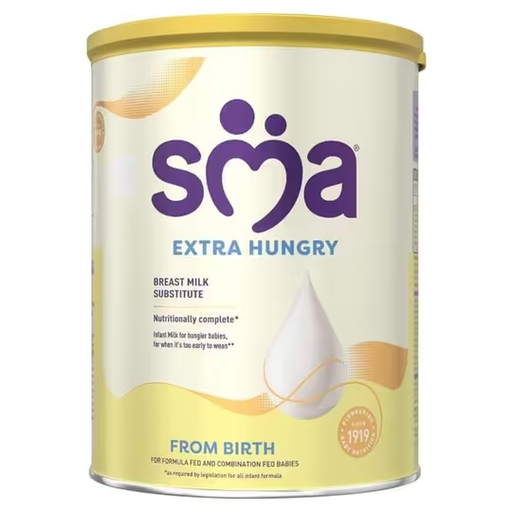
Why This Fits Their Persona: A full-size from-birth tin for families looking for a nutritionally complete option before weaning, including combination-feeding households.
The age suitability is clearly stated, helping buyers avoid confusing a follow-on product with first infant milk.
Suitable from birth; DHA is sourced from microalgae and the recipe contains no palm oil or fish oil.
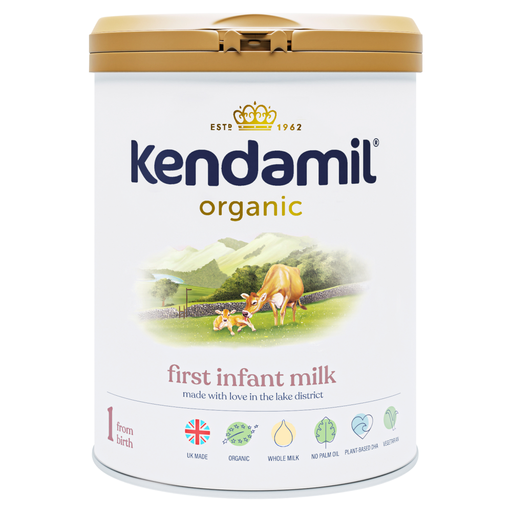
Why This Fits Their Persona: Suitable for parents prioritising certified organic ingredients and a vegetarian-friendly formula from birth.
The organic and vegetarian claims are supported by clearly listed product specifications, rather than vague front-label wording.
Organic whole milk; algae-based DHA; no palm oil or fish oil; 800g format.
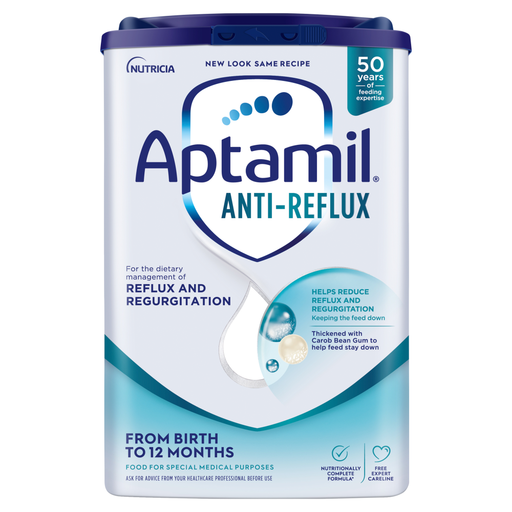
Why This Fits Their Persona: Designed for bottle-fed babies with frequent reflux concerns, subject to medical supervision and preparation guidance.
It is clearly identified as a special medical-purpose formula, discouraging casual switching based on general marketing claims.
Contains carob bean gum as a thickener; suitable from birth to 12 months when advised by a healthcare professional.
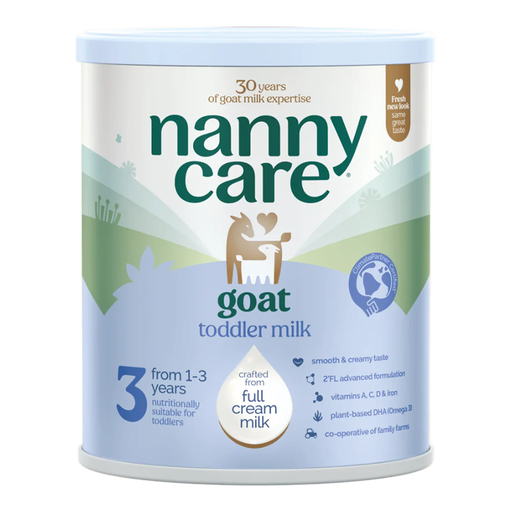
Why This Fits Their Persona: A goat milk-based stage 3 option for families comparing toddler milk from 12 months as part of a varied diet.
The stage and milk source are explicit, helping parents avoid confusing goat milk formula with a non-dairy or allergy-management product.
Suitable from 12 months; contains vitamin D and DHA; supplied in an 800g tin.
We have compiled a complete, real-time list of products that fully satisfy these strict selection criteria and UK safety regulations.
Always follow the instructions on the specific tin. Wash hands, sterilise feeding equipment and measure water and powder accurately. Many powdered formulas specify freshly boiled water cooled for no more than 30 minutes, but specialist products can have different instructions.
Keep unopened powder in a cool, dry place away from heat and sunlight. Do not refrigerate powder unless the packaging specifically says otherwise. Once opened, many products should be used within four weeks. Prepare feeds immediately before use and discard unfinished milk according to the label instructions.
Follow-on milk is an option for babies over six months as part of a mixed diet; it is not automatically necessary. Discuss feeding changes with a health visitor or another qualified healthcare professional, particularly if your baby has dietary or medical needs.
The lifespan depends on your baby’s age, feed volume and the product’s scoop size. Some product information gives approximately 29 200ml servings for an 800g tin, but always use the feeding guide on the packaging. After opening, follow the stated storage period, commonly four weeks.
Lactose-free baby formula should not be selected simply because your baby seems unsettled. Products such as Aptamil Lactose Free are intended for use under medical supervision. Ask a healthcare professional to assess the symptoms and recommend an appropriate feeding plan.