
24/7 Customer Support

Free returns

Same-day & Next-day Delivery

Quality Guaranteed

Unlock Your Welcome Offers: FREE Delivery | Up to 80% OFF | Free 30-day JoyPlus trial
Download the APP
Choosing baby formula milk in the UK can feel unnecessarily complicated. Tins may highlight organic ingredients, whole milk, DHA, prebiotics or specialist recipes, yet the most important details are often less prominent: the correct age stage, allergens, preparation instructions and whether medical advice is required.
This guide from the Joybuy Product Recommendation Officer separates useful product information from marketing noise, helping you compare infant formula, baby milk powder and follow-on milk with greater confidence.
“Advanced”, “natural” and “premium” wording does not tell you whether a product is suitable for your baby’s age. First infant milk or formula milk from birth is designed for babies from birth, while follow-on milk is intended for babies over six months as part of a mixed diet.
A stage 2 product, such as baby formula 6 months, should not be used as a substitute for breast milk during the first six months. Always check the age statement on the tin rather than relying on a similar-looking pack.
Products marketed for reflux, lactose intolerance, colic or constipation are not simply enhanced versions of standard infant formula. They may contain thickeners, reduced lactose or hydrolysed proteins and can be classified as Food for Special Medical Purposes.
Anti-reflux baby formula, lactose-free baby formula and comfort milk for colic and constipation should generally be used under the guidance of a GP, health visitor, midwife, dietitian, pharmacist or another appropriate healthcare professional.
A baby may not tolerate every recipe, and a change in formula can alter feeding patterns or stools. Buying a baby milk bundle may reduce repeat ordering, but a single 400g or 800g tin is often more sensible when trying a product for the first time. Check the best-before date and remember that opened powder commonly needs to be used within four weeks.
Use these broad categories as a starting point:
Cow’s milk should not be used as a main drink during the first year. Follow the feeding guide on the exact product rather than estimating scoops or water quantities.
All formula milk sold in the UK must meet compositional requirements, but recipes still differ. Compare:
Goat milk formula is not automatically suitable for babies with cow’s milk protein allergy, as the proteins can be similar. Seek professional advice before choosing it for allergy-related reasons.
Powdered infant formula is not sterile. Safe preparation matters more than an attractive tin design:
An integrated leveller, scoop storage and a resealable lid can make daily preparation easier, but they do not replace accurate measuring.
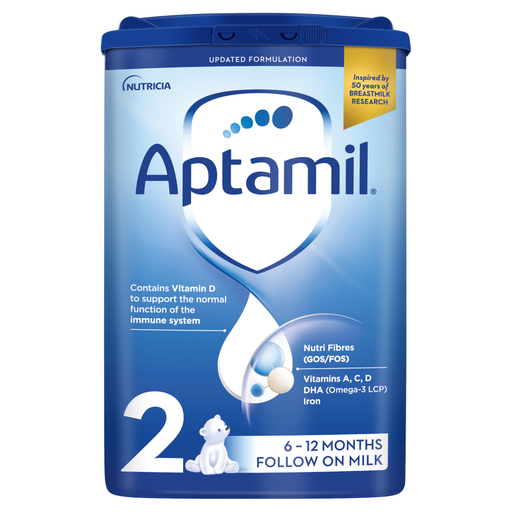
Why This Fits Their Persona: An 800g tub suits families who want a familiar stage 2 format for the weaning period without committing immediately to a multi-pack.
The clearly stated 6–12 month stage helps prevent buying a from-birth formula or using a toddler product too early.
800g tub; includes DHA, GOS/FOS and vitamins A, C and D; integrated scoop and levelling bar.
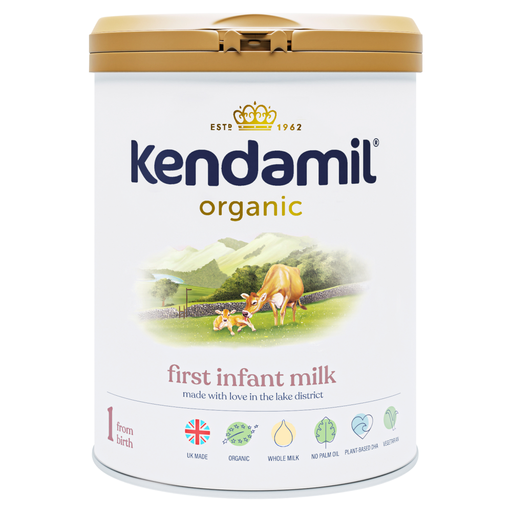
Why This Fits Their Persona: Suitable for families prioritising certified organic ingredients, British whole milk and a vegetarian-friendly DHA source.
The ingredient list identifies organic whole milk and algae-derived DHA, making the recipe easier to compare than vague “natural” claims.
From-birth stage; organic whole milk; vegetarian-friendly; no palm oil or fish oil according to the product details.
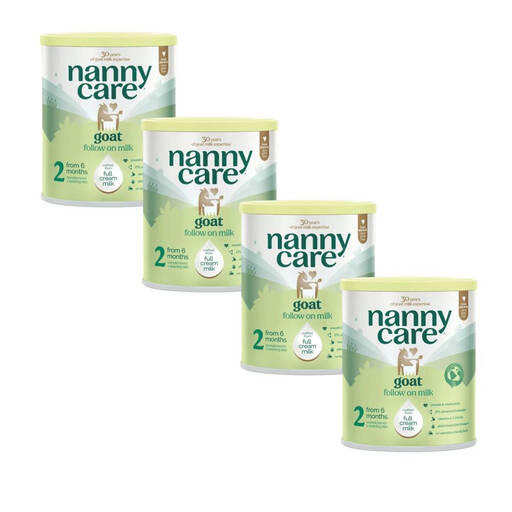
Why This Fits Their Persona: A four-tin bundle may suit households using follow-on milk regularly and wanting fewer repeat orders during the 6–12 month stage.
The pack states both the goat milk base and the 6+ month stage, helping avoid confusing a goat recipe with an allergy-specific formula.
Four 800g tins; goat milk-based recipe; contains iron, vitamin D and DHA; intended for use from six months as part of a mixed diet.
We have compiled a complete, real-time list of products that fully satisfy these strict selection criteria and UK safety regulations.
A first infant milk labelled from birth is the standard category for babies who are formula-fed or combination-fed. Specialist products such as lactose-free or anti-reflux baby formula should only be used with appropriate healthcare guidance.
Many products advise using opened powder within four weeks, although the exact instruction on the packaging takes priority. Keep the tin sealed in a cool, dry place and never refrigerate the powder.
A baby milk bundle can reduce the cost per tin or the number of repeat orders, but only buy several tins once your baby is comfortable with the recipe and the age stage is correct. Check the combined best-before dates before ordering.