
24/7 Customer Support

Free returns

Same-day & Next-day Delivery

Quality Guaranteed

Unlock Your Welcome Offers: FREE Delivery | Up to 80% OFF | Free 30-day JoyPlus trial
Download the APP
Choosing baby formula milk can feel more complicated than it needs to be. Shelves and online listings are filled with claims about advanced blends, natural ingredients, organic recipes and digestive support. However, the most suitable option usually comes down to three practical questions: Is it appropriate for your child’s age? Does it meet your dietary requirements? Can you prepare and use it safely before the powder is opened for too long?
This guide explains the key checks for UK families comparing first infant milk, follow-on milk formula and toddler milk powder.
Formula stages are age-specific, not a quality ranking. First infant milk is designed for use from birth when a baby is not breastfed or is combination fed, while stage 2 formula milk is intended for babies from around six months as part of a mixed diet. Toddler milk 12+ months is made for older children and should not be used as a substitute for an earlier-stage formula.
Check the age statement on the tin rather than relying only on the product name. A product described as “advanced” or “premium” still needs to match your child’s stage.
Ingredients such as GOS/FOS, whole milk, plant-based DHA or organic ingredients may be relevant to your preferences, but they are not reasons to change formula without considering the complete ingredient list. If your child has a suspected allergy, feeding difficulty or reflux, seek advice from a GP, health visitor, pharmacist or dietitian before selecting a specialist product.
For example, anti-reflux baby milk is a thickened formula for a specific feeding situation. It is not simply a general-purpose alternative to standard first infant milk.
Four-pack bundles can reduce the number of shopping trips, but opened powder commonly needs to be used within four weeks, and some products specify a shorter period. Compare the total weight and storage instructions, then estimate how quickly your household uses a tin.
A bulk purchase is practical only when the unopened tins can be stored in a cool, dry place and used before their best-before dates.
Use these broad categories as a starting point:
Breastfeeding is best for babies. If you are deciding when to introduce formula or begin weaning, speak with a qualified health professional about your child’s individual needs.
Most standard formulas contain milk and may contain soya or fish-derived ingredients. Families looking for vegetarian-friendly options may prefer a product using algae-based DHA rather than fish oil. Kendamil Stage 2, for example, lists plant-based DHA and is described as vegetarian friendly.
Goat milk formula is not suitable for babies with a cow’s milk protein allergy unless advised by a healthcare professional, because the proteins can be similar. Nannycare goat milk formula is a goat milk-based option, but its milk allergen information still needs careful consideration.
Organic status, no palm oil and halal certification are preference-based filters. SMA follow-on milk, for instance, is listed as halal certified and made without palm oil. Always check the current packaging because ingredients and certifications can change.
Powdered formula is not sterile. Follow the manufacturer’s instructions precisely, including:
When comparing 800g tins with twin packs or bulk formula milk packs, calculate the price per 100g and check the approximate number of feeds. A larger bundle is not automatically better value if powder may remain open beyond the recommended period.
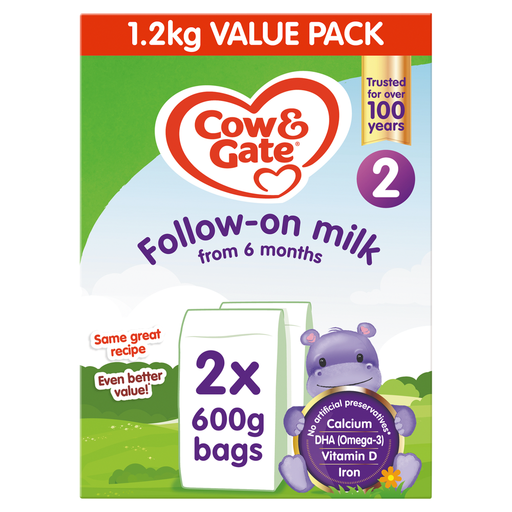
Why This Fits Their Persona: The twin 600g format gives weaning families a practical supply without committing to a four-tin bundle.
The 6+ months label is clear, helping prevent an unsuitable stage purchase. Check the no-palm-oil recipe and allergen information rather than relying on front-of-pack wording.
Twin-pack format; includes iron, calcium, vitamin D and DHA; GOS/FOS blend.
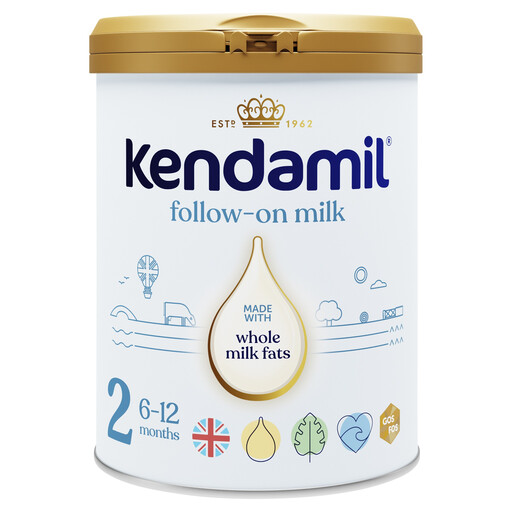
Why This Fits Their Persona: Suitable for parents prioritising a whole-milk recipe, British production and a vegetarian-friendly DHA source.
The product details state the milk source and DHA source clearly, making it easier to compare with fish-oil formulas.
Whole milk listed as the main ingredient; no palm oil; plant-based DHA; 800g tin.

Why This Fits Their Persona: Designed for families discussing frequent regurgitation with a healthcare professional and requiring a thickened formula.
It is clearly identified as a special thickened formula, rather than being marketed as a standard everyday milk for every baby.
Contains added potato starch; uses partially hydrolysed whey protein; no palm oil or fish oil listed.
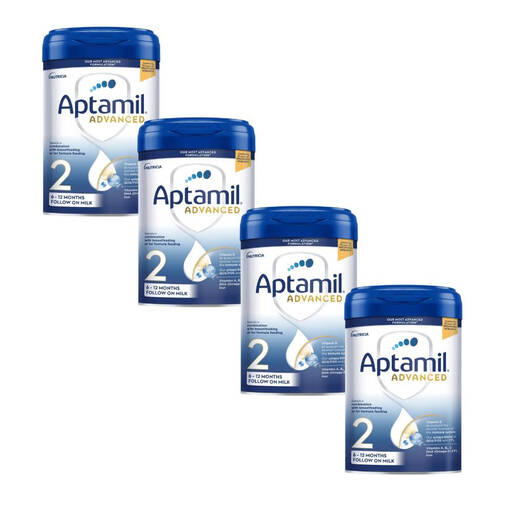
Why This Fits Their Persona: A four-tin format suits households using follow-on milk regularly and planning storage around the four-week opening guidance.
The bundle is suitable only for babies over six months, so parents can plan stock without confusing it with first infant milk.
Four 800g tins; contains GOS/FOS, iron, vitamins A, C and D, and DHA; includes a scoop leveller.
We have compiled a complete, real-time list of products that fully satisfy these strict selection criteria and UK safety regulations.
First infant milk is intended from birth, while follow-on milk is generally for babies over six months as part of a mixed diet. Do not move stages early solely because the packaging suggests faster development. Follow the age guidance and seek advice about weaning.
Many products in this range state that opened powder should be used within four weeks, although HiPP Organic Stage 3 lists three weeks. Always follow the instructions on your specific tin, keep it tightly closed and store it somewhere cool and dry.
A multipack may have a lower price per 100g, but the saving depends on consumption, delivery cost and whether each tin can be used within its recommended opening period. Compare pack weight, preparation ratios and the number of feeds rather than judging value from the headline price alone.