
24/7 Customer Support

Free returns

Same-day & Next-day Delivery

Quality Guaranteed

Unlock Your Welcome Offers: FREE Delivery | Up to 80% OFF | Free 30-day JoyPlus trial
Download the APP
Choosing baby formula milk in the UK can feel unnecessarily complicated. Tins often highlight specialist ingredients, organic credentials or convenient bundle sizes, while the information that matters most may be less prominent.
Three common buying traps are worth avoiding:
Age suitability should be your first filter:
Check the exact wording on the tin rather than relying only on a product title or search result. For a wider selection by stage, visit the complete formula range.
Most standard infant milk formula contains milk and may also contain soya or fish-derived ingredients. If your household has dietary requirements, inspect the full ingredients list instead of relying on front-of-pack phrases.
Useful comparisons include:
Terms such as organic baby formula, “natural” or “gentle” describe particular sourcing or formulation features. They do not by themselves confirm that a product will suit every baby.
Lactose-free baby formula, anti-reflux formula and comfort milk are not interchangeable with standard milk. They are intended for specific feeding needs and should be selected with advice from a GP, health visitor, pharmacist, dietitian or other suitable healthcare professional.
Preparation is equally important. Powdered formula is not sterile, so follow the manufacturer’s instructions carefully:
Never microwave a bottle, as hot spots can cause scalding. Thickened anti-reflux products may also require a suitable teat and have different preparation instructions.
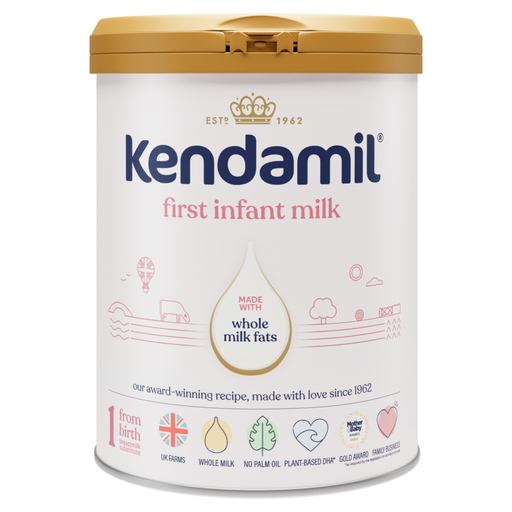
Why This Fits Their Persona: A single 800g tin is a practical starting point for families who want to try a first infant milk before committing to a formula milk multipack.
It is labelled for use from birth, helping shoppers avoid accidentally selecting a stage 2 product for a newborn.
Whole milk is listed in the ingredients, with algae-derived DHA and a vegetarian formulation.
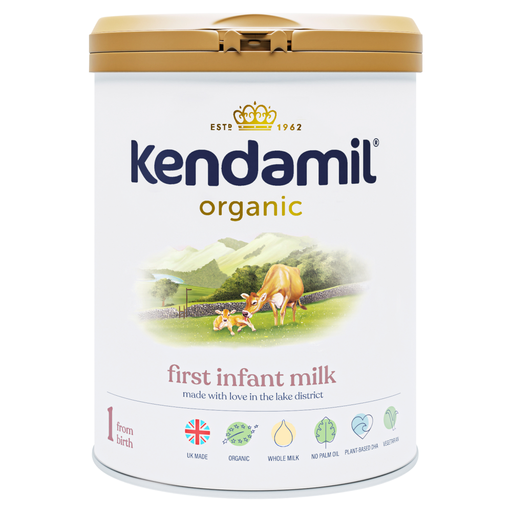
Why This Fits Their Persona: Suitable for shoppers prioritising certified organic sourcing and a British-made first formula.
The organic claim is paired with a stated ingredient list, allowing shoppers to verify the milk and DHA sources rather than relying on vague wording.
Certified organic ingredients, algae-derived DHA and no palm oil or fish oil are listed.
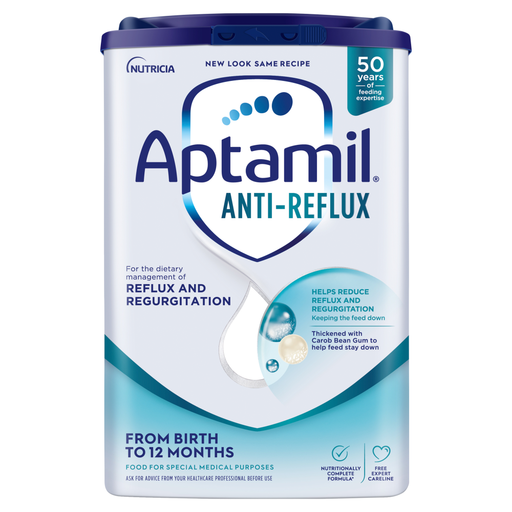
Why This Fits Their Persona: Designed for bottle-fed infants with frequent reflux concerns, subject to medical supervision.
It is clearly identified as a food for special medical purposes, rather than being presented as an everyday standard formula.
Contains carob bean gum as a thickener and is labelled for use from birth to 12 months under supervision.
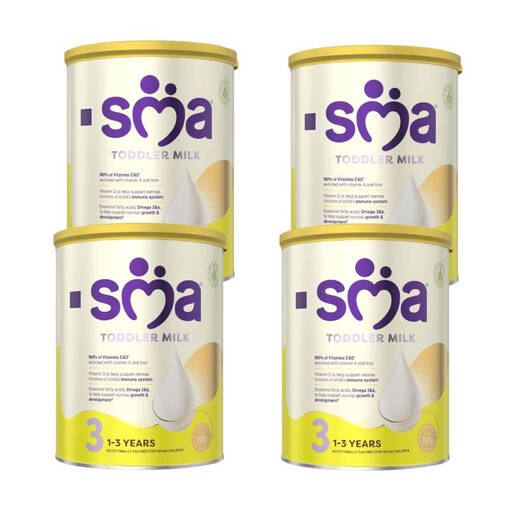
Why This Fits Their Persona: A suitable option for families looking for toddler milk from 12 months and a resealable 800g format for regular use.
The stated 1–3 years age range helps prevent buying a toddler product for a younger baby.
The listed recipe includes vitamin D, iron, omega 3 and omega 6, with no palm oil or fish oil stated.
We have compiled a complete, real-time list of products that fully satisfy these strict selection criteria and UK safety regulations.
Many powdered formula products state that an opened tin should be used within four weeks, but always follow the specific label. Store it tightly sealed in a cool, dry place; do not refrigerate unless the packaging explicitly says otherwise.
Follow-on milk is an option for babies over six months as part of a mixed diet. It is not automatically required simply because a baby reaches a particular age. Discuss feeding changes with a health visitor or other healthcare professional, and follow the product’s age guidance.
No. Lactose-free formula is intended for specific circumstances and should be used under medical supervision. Colic, constipation, reflux and suspected allergies can have different causes, so switching products without advice may delay appropriate support. Always check the ingredients and seek guidance before making a change.