
24/7 Customer Support

Free returns

Same-day & Next-day Delivery

Quality Guaranteed

Unlock Your Welcome Offers: FREE Delivery | Up to 80% OFF | Free 30-day JoyPlus trial
Download the APP
Navigating the world of baby formula can feel overwhelming. The shelves are lined with tins and cartons, each promising to be the right choice for your little one. As a Joybuy Product Recommendation Officer, my role is to help you cut through the marketing jargon and focus on what truly matters for your family.
Important Notice: Health authorities agree that breastfeeding provides the foundation for infant nutrition. This guide is for parents who use or are considering using infant formula, and it should not replace advice from a doctor, midwife or health visitor. Always consult a healthcare professional before making decisions about your baby's feeding.
Before you add anything to your basket, it's worth being aware of a few common traps that can lead to confusion and unnecessary expense.
To make an informed choice, focus on these three key factors. They will help you filter the options and find a baby milk powder or liquid that suits your child's needs.
The stages are not a marketing gimmick; they are designed to meet changing nutritional needs as your baby grows.
The vast majority of formulas are based on cow's milk. However, there are alternatives and specific ingredients to look out for.
If your baby is experiencing digestive discomfort, your health visitor or GP may suggest a specialised formula. These are considered foods for special medical purposes and should be used under medical supervision.
Based on the criteria above, here are a few options that align with different parental needs and priorities.
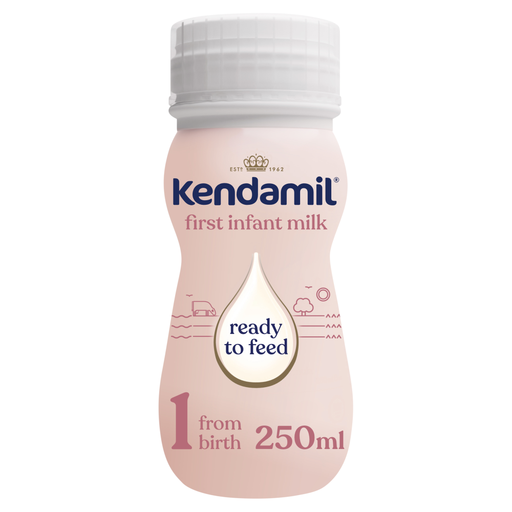
Why This Fits Their Persona: For new parents in the UK, late-night feeds and days out can be stressful. This ready to feed formula removes the need for measuring and mixing, offering a simple and hygienic solution that can be served at room temperature.
It sidesteps the complexity of preparation. There's no risk of incorrect measurements, just a straightforward, nutritionally complete feed.
Ultimate convenience for travel and night feeds. It's also vegetarian-friendly and made with whole milk.
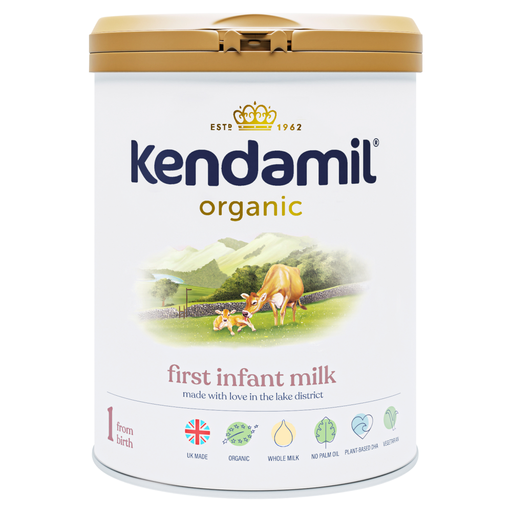
Why This Fits Their Persona: For parents who prioritise sustainability and natural ingredients, this formula's credentials align perfectly. It's made in the UK with milk from local, organic farms, supporting a lower carbon footprint.
It moves beyond the simple "organic" label by offering clear, tangible benefits: no palm oil, no fish oil and the use of full cream whole milk from British, grass-fed cows.
Certified organic baby formula that is also vegetarian-friendly due to its plant-based DHA source.
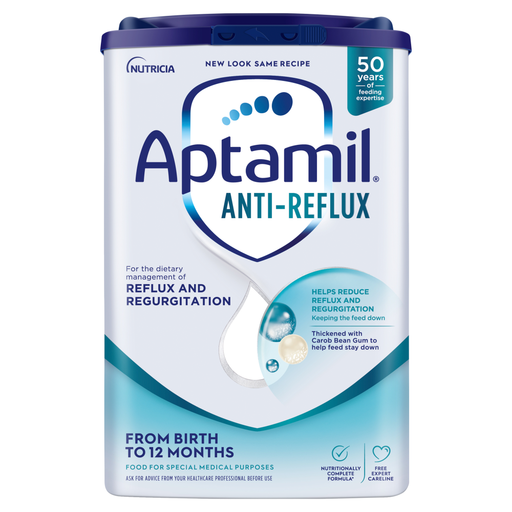
Why This Fits Their Persona: For parents dealing with the stress of frequent reflux and regurgitation, a standard formula isn't sufficient. This product is specifically for the dietary management of this issue, offering a practical solution under medical guidance.
It avoids the "one-size-fits-all" trap by providing a targeted solution. Instead of trying different standard formulas, this directly addresses the mechanical issue of reflux.
Contains carob bean gum, a natural thickener that helps the feed stay down. It is nutritionally complete from birth to 12 months.
We have compiled a complete, real-time list of products that fully satisfy these strict selection criteria and UK safety regulations.
Yes, it is generally safe to switch between different brands of formula, as they all must meet the same strict nutritional standards in the UK. However, it is often recommended to introduce the new formula gradually over several days (e.g., by alternating feeds or mixing them) to give your baby's digestive system time to adjust. If you have any concerns, especially if your baby has a sensitive tummy, it is always best to speak with your health visitor first.
Most manufacturers state that powdered baby milk powder should be used within four weeks of opening the tin. It is crucial to store the opened tin in a cool, dry place (not the refrigerator) with the lid tightly closed to maintain its quality and safety. Always check the specific instructions on the packaging.
Toddler milk is not a requirement. From the age of one, your child can drink whole cow's milk as their main drink. However, toddler milks are fortified with nutrients like iron and Vitamin D, which can be beneficial, particularly for children who are picky eaters and may not be getting these from their diet. It is a personal choice for parents, and you can discuss your child's individual dietary needs with a healthcare professional.